Apple is preparing to give its most loyal customers a genuinely difficult question in 2026. Two flagship-tier devices are expected to arrive in the same product cycle. One is familiar. The other is unlike anything Apple has shipped before.
The iPhone 18 Pro will reportedly arrive first. Apple is widely reported to be breaking from its traditional fall unified launch and instead releasing Pro models ahead of the standard lineup. The staggered schedule appears intended to smooth supply constraints and sustain sales momentum across a longer window. Separately, a first-generation foldable iPhone is also expected to land sometime in 2026. For American buyers who typically upgrade once every two to three years, that timing creates a real spending fork in the road.
iPhone 18 Pro Specs: What the Leaks Say
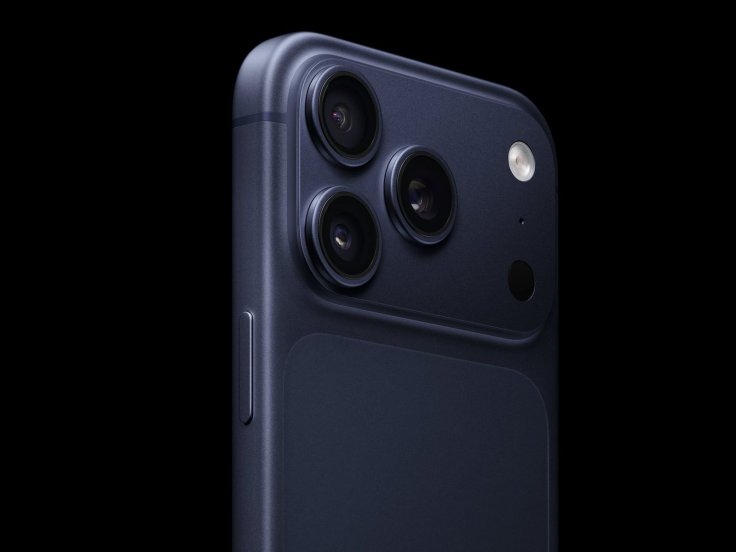
The iPhone 18 Pro's hardware profile, drawn from several independent leak sources, points to meaningful but evolutionary improvements over the current generation. The most-discussed change is the Dynamic Island, the pill-shaped camera and sensor cutout Apple introduced with the iPhone 14 Pro in 2022. The cutout on iPhone 18 Pro models is expected to shrink by 35% compared to the current generation.
On the silicon side, the iPhone 18 series is expected to ship with Apple's A20 chip, built on a 2-nanometer fabrication process. The Pro variant is specifically rumored to carry an A20 Pro configuration, with significant performance and power-efficiency gains over the current A18 Pro. The 2nm process node, manufactured by Taiwan Semiconductor Manufacturing Company (TSMC), the world's largest contract chipmaker, would represent a full generational step from the 3nm process used in today's iPhone 16 Pro. Increased RAM is also expected across the iPhone 18 line, primarily to support expanded on-device artificial intelligence workloads.
That AI push connects to a broader strategic shift Apple appears to be navigating. Apple has adopted a revised AI strategy that begins with acknowledging the current limitations of its Apple Intelligence platform. On the software side, iOS 27, the operating system expected to ship alongside the iPhone 18, is rumored to introduce a fully rebuilt Siri, Apple's voice assistant, with conversational chatbot capabilities and a redesigned interface. Taken together, the hardware and software upgrades position the iPhone 18 Pro as a platform optimized for AI rather than a device defined by any single physical feature.
The Foldable Question: New Form Factor, New Price Tier
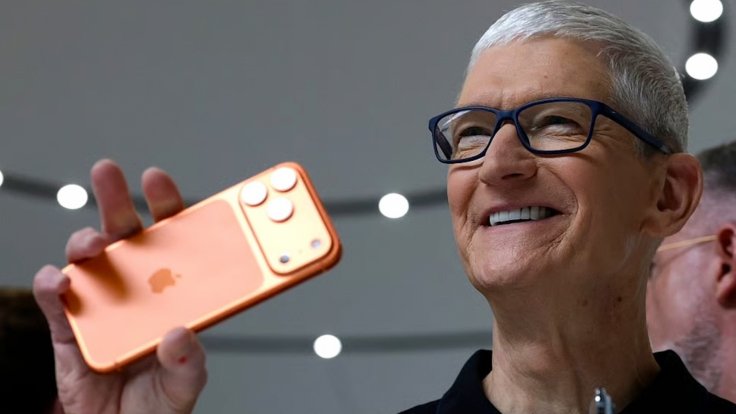
The foldable iPhone, which has not yet been officially named or confirmed by Apple, occupies a different psychological category entirely. Foldable smartphones, which use flexible display panels to open like a book or clamshell, have been available from Samsung and other Android manufacturers since 2019.
Pricing for the foldable remains unconfirmed. Comparable devices in the Android ecosystem, including the Samsung Galaxy Z Fold 6, retail above $1,800 at launch. If Apple follows a similar premium positioning, the foldable would sit well above the expected price range for the iPhone 18 Pro, which has historically been anchored around $999 for the base Pro configuration. That gap sets up a straightforward budgetary split: buyers who want the best conventional iPhone will likely gravitate toward the 18 Pro, while those willing to pay a significant premium for a new form factor will look toward the foldable.
iPhone 18 Pro's overall design direction is going to be incremental rather than revolutionary, a framing that may actually work in the foldable's favor among buyers seeking a more dramatic change.
Beyond the devices themselves, Apple is reshaping where iPhones are made. The company has committed $400 million through 2030 to expand iPhone manufacturing capacity inside the United States, and has broadened its domestic component supply chain to include specialized partners such as Bosch, Cirrus Logic, and TDK. That investment is unfolding against a challenging broader market: Telecompaper reported that the global smartphone market could contract by as much as 15% in 2026 due to memory chip shortages driving up device prices. Apple, which designs its own silicon and maintains long-term procurement agreements with TSMC, is considered better positioned than most Android rivals to absorb those pressures.
For American consumers, that supply chain story has direct relevance. A market contraction typically tightens trade-in values and promotional financing, making the choice between a $999 iterative upgrade and a potentially $1,800-plus new form factor more consequential than it would be in a normal cycle. The iPhone 18 Pro offers a known quantity with measurable improvements. The foldable offers something Apple has never sold before.