
- ICE detained parents of 11,000 U.S. citizen children in seven months
- Faster deportations occur within days, limiting legal recourse for families
- Increased use of in absentia orders accelerates removals
- Detention expansion raises concerns over family separation and legal protections
In the first seven months of the second term of President Donald Trump, over 11,000 U.S. citizen children had their parents detained, which was 7 times higher than during the first six years of his term, a response to increased immigration enforcement, and its effect on mixed-status families, which is data reviewed by ProPublica.
The numbers represent a sizable advancement over the previous years which indicates a general move to hasten arrests and removals. Immigration lawyers and interest groups confirm that the rate of enforcement has left families with a short time to act and especially because deportations are frequently implemented within days after detention.
The reports used in the analysis indicate that mothers of children who are U.S. citizens are being deported at frequencies that are higher than that of earlier times and some of the removals take place within four to five days after arresting them. According to lawyers, "these timelines render it hard to organize care to children, or even take on any legal proceedings prior to the deportation process being carried out".
The officials have insisted that enforcement measures are directed at people with final removal orders or criminal records, but critics claim that the statistics indicate broader effects on families that lack adequate procedural protections.
Rapid Deportations Leveraged by the Courts
One of the primary factors that have contributed to the rise in the number of removals has been the augmented application of in absentia orders permitting immigration adjudicators to render a deportation decision when persons do not appear in court.
Law advocates indicate that these orders are becoming more frequent, especially where the number of cases set is high and scheduled at a time. In one of the reported cases, hundreds of cases were finalized in a single week in a San Francisco immigration court by using this mechanism.
The process has the ability to accelerate timelines. Persons can be arrested, commanded to be kicked out and deported without any chance of having a lawyer involved and this makes attorneys anxious over the issue of due process.
This has led to a situation where families are being broken in a very fast manner and in most cases there is little time to react to it.
There have also been questions about how court scheduling is done, with critics claiming that overloaded schedules and administrative efficiency drives are causing missed hearings and in absentia rulings.
Imprisonment Does not Just End with Non-Citizens
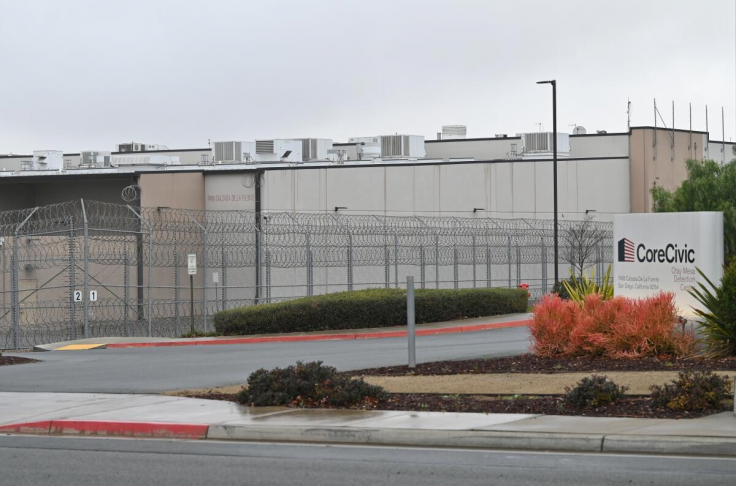
The rise in the activity of enforcing has been followed with a wider enlargement of the enlarged capacity and use of detention. According to reports, the overall count of people detained in immigration centers has soared significantly during the last one year which is a policy implementation that has involved tightening of borders and internal enforcement.
Cases involving the U.S citizens have also been brought into focus by advocacy groups. Based on the statistics quoted, there are over 170 U.S citizens, including children, that have been arrested by the immigration during their enforcement operations.
According to the government officials, "these cases are infrequent and are usually related to the issues with the identification verification or administrative mistake, and they are sure that the law protection is still in existence".
Meanwhile, it is also reported that those safeguarded by programs like the Deferred Action for Childhood Arrivals (DACA) have also been subjected to the heightening action of enforcement and this is a matter that has driven up the concern about the extent to which the policy is being executed.
The agency has not announced all the changes of its operation publicly, but some revisions of internal guidance, including the elimination of some language about the treatment of detainees, have attracted the attention of policy analysts.
Effect On Families and Communities
The heightened application of the enforcement environment is directly affecting families, especially those that have mixed immigration status. In communities with the situation, families report that they limit their daily activities including work, school, and healthcare visits because of fears of possible arrest.
The proponents argue that the threat of quick deportation has raised the anxiety levels among the parents and particularly those with children who are born in the United States and who might be left without immediate caretakers.
These are not numbers in the abstract, said one community organizer, "these are families making hard choices on a daily basis on how to safeguard their children".
It has also created logistical issues among local authorities and social services that might need to offer a helping hand to the children who have been caught in sudden parental arrest.
Law And Politics Dispute Stiffens
The statistics have contributed to a wider argument in Washington and the wider legal community concerning enforcement of immigration and its consequences.
Legislators are starting to reconsider judicial precedents regarding the rights of illegal immigrants and their children who are U.S. citizens, and legal disputes are likely to push the existing policy to its extremes.
Simultaneously, the U.S. Supreme Court is hearing a number of cases that have the potential to redefine the asylum process and control at the border, further complicating the policy environment.
The proponents of the administration policy state that a more stringent implementation is needed to support the immigration laws and provide the border security. Opponents respond by claiming that the existing rate of enforcement and organization is dangerous to due process and disproportionate to families.
Trade Offs between Enforcement and Human Impact
The administration has positioned its activities as a larger initiative to implement the already existing immigration laws and solve old time problems in the system.
The statistics of parents of U.S. citizen children held in custody, however, highlights the human dimension of such policies, specifically its complicated nature when the enforcement collides with the family set up.
Legal scholars observe that the debate between enforcement goals and humanitarian factors has always accompanied the U.S. immigration policy, however, with recent tendencies, the matter has acquired a more clear definition.
The numbers underscore the magnitude of the enforcement efforts on households with citizen children and cast into doubt the way policies are practiced on the ground.
With enforcement still taking place at a high rate, the condition is still subject to scrutiny by the policymakers, legal specialists and advocacy groups, which overlay the debate on the ways to balance immigration control and the family stability protection.


