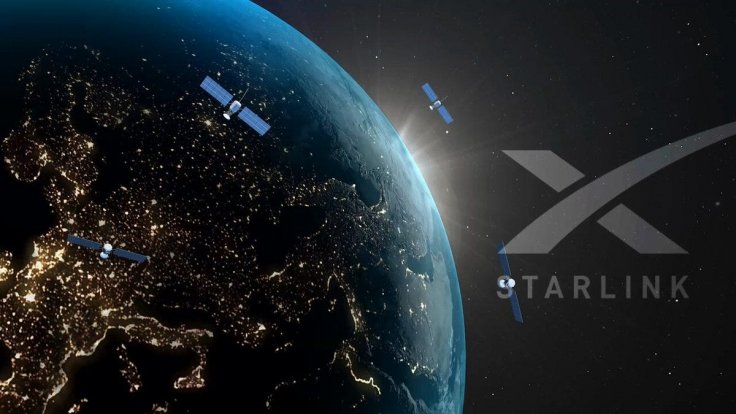
- SpaceX Starlink reaches 10 million customers across 160 countries.
- Growth accelerates, adding one million users in 53 days.
- Gulf conflict disrupts infrastructure, boosting demand for satellite internet.
- Starlink expands direct-to-cell service with global telecom partnerships.
In 2026, SpaceX reached 10 million active customers with its Starlink satellite internet a month later, in February, marking the final million customers Starlink added in only 53 days as well as, therefore, making it the global satellite broadband provider of the world in 160 countries.
Delivering a significant milestone to two SpaceX president Gwynne Shotwell and Elon Musk on X, the milestone came five weeks prior to the start of the war in Iran to tamper with terrestrial and undersea communications infrastructure across the Gulf, which has in turn profoundly boosted the strategic worth of all that Starlink does.
The timing matters. Ever since the US-Israeli attacks on Iran commenced on February 28, internet connection in the Gulf has been greatly interfered with. Drone and missile attacks by the Iranians have already targeted the UAE, Qatar and Bahrain. A number of undersea cable routes have been affected going through the Persian Gulf.
Starlink is not linked to any terrestrial infrastructure, and it has experienced an explosion in emergency service requests by its operators in the Gulf, humanitarian organisations and corporate customers requiring backup connectivity. The military and civilian use of satellite internet has become impossible to overlook because of the recorded usage of Starlink during the war of Ukraine against Russia.
Starlink Mobile: Cell Tower in Space
At the beginning of March, SpaceX rebranded its direct-to-cell satellite service, now known as Starlink Mobile in reality, a constellation of 650 special purpose satellites capable of serving any LTE or 5G smartphone in a regular way without extraordinary equipment.
There are already more than 16 million unique customers in trial use of the service, and partnerships with such operators as Deutsche Telekom in Europe are already in progress and giving rise to the service in five continents. SpaceX has a goal of 25 million active customers by 2026, which is, in part, due to the second-generation satellites, which will have an almost 100-fold higher data density.
The constellation has about 9,900 satellites in the orbit, of which about 8,300 are operational, becoming the biggest 4G covered geographically in the world. In June 2025, SpaceX assembled its 10 million th Starlink terminal, and the second five million terminals were assembled in 11 months, in comparison with almost four years to the first five million.
Also Read: Amazon Plans AI Smartphone Comeback After Fire Phone Failure
With the backbone brought to its knees by war and geopolitical tension, the satellite internet firm that began with the remote farms and fishing boats in the Arctic has found itself serving as an infrastructure of last resort to a planet which no longer assumes the existence of the cable in the ground.


