- Amazon plans new smartphone powered by generative AI assistant Alexa+.
- Move marks return to hardware after failed 2014 Fire Phone.
- Device aims to compete with Apple and Android ecosystems.
- Launch details, pricing and partnerships not yet disclosed.
Amazon is creating a new smartphone on the one hand, as one Reuters story published on Friday revealed that the company recurred into the craft of smartphones, more than ten years since the disaster of the Fire Phone a $199 provincial handset Amazon leader Jeff Bezos had vigorously promoted until 2015, when it ceased operations because of selling only tens of thousands of devices, and causing a loss amounting to 170 million dollars.
The new device will run on the generative AI assistant Alexa+ and will be positioned as an expansion on the overarching strategy of the company to bring its AI to every space its customers spend out of the home.
The development, had it been announced, would be one of the most aggressive product bets in the recent history of Amazon and a direct competitor on Apple iPhone and the Android platform that was commanded by Google and Samsung, the same competitors who embarrassed the company in 2014.
The variation this once, according to Amazon, is that the AI foundations which the Fire Phone attempted to imitate with its gimmicky 3D camera sensors and Firefly picture recognition feature are now really transformative - and Alexa+ already has tens of millions of active users who have already proven willingness to use AI to handle complex, multi-step processes.
The Fire Phone: How not to make a 170 million Facebook phone
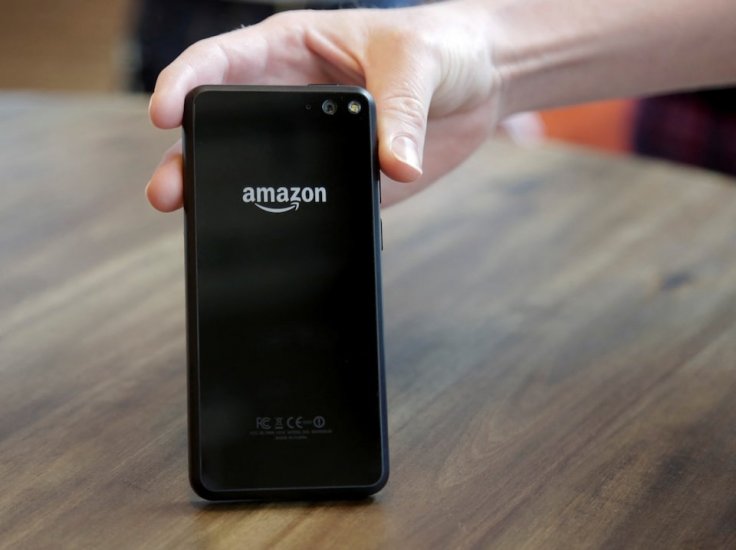
The first Fire Phone was introduced in June of 2014 at the same price point as the iPhone, and the lack of app ecosystem, relationship with carriers and brand loyalty could not support it. Its highlights- a four-camera system that aimed to achieve 3D parallax effect and a Firefly button that had the potential to recognise real-world objects and link those objects directly to Amazon product pages in particular were generally characterized as solutions in need of the problem.
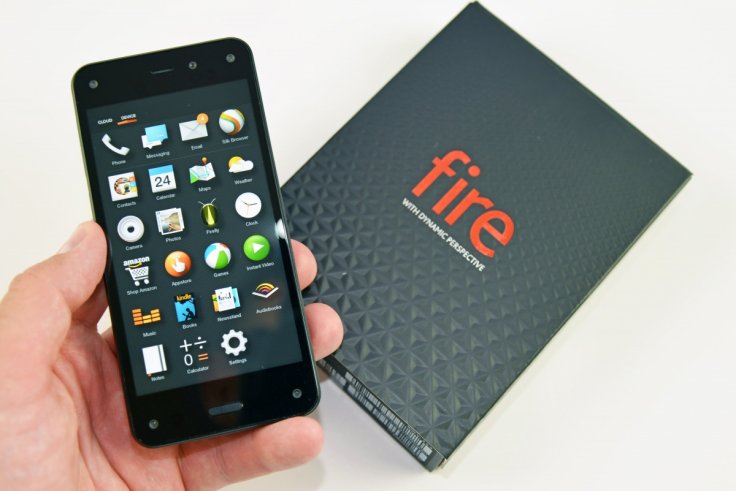
The device had FireOS, an extremely adapted Android that did not have Google Play services and thus it was unable to install most of the popular applications. Three months after its release, it was recalled. Amazon had a write off of 170 million that contained 83m in unsold inventory. The episode was a canonical example of how harmful hardware hubris and how hard it is to enter a two-participant market.
Also Read: EU Calls for Halt to Energy Strikes in the Middle East as Iran War Raises Risks
Why Now: The Alexa+ Imperative
Amazon has been foreshadowing that it would push past the home in the months. The company vice president of Alexa and Echo, Daniel Rausch, gave a strong hint of what was to come in February at the CES 2026.
Alexa+, the reexperience of its voice assistant as generative AI, released in limited beta in March 2025 and available to all customers in the US in February 2026, is already used by tens of millions of active users, and is engaging nearly two to three times higher than the original Alexa. The app, which costs $19.99 monthly, without Prime, or free to Prime subscribers, is capable of reserving restaurants, calling an Uber, controlling smart-house objects, scheduling trips, helping with homework, and transferring contextual memory across calls and gadgets.
According to Rausch, TechCrunch 76 percent of what customers use Alexa+ they cannot do without other AI can, a statement that traces back to the fact that Alexa has been deeply integrated with third-party service and also due to its massive installed base of more than 600 million Alexa-enabled devices in the world.
Over 97 percent of all the devices that Amazon has ever shipped can be updated to use Alexa+, and that provides the company with an existing distribution network that no smartphone startup will ever be able to duplicate.
The Competitive Context
The re-entry of the smartphone to the market of Amazon is determined by a radical change in AI in the consumer market. ChatGPT was not underdeveloped when the Fire Phone was released. Siri was three years and hardly functional. The AI features that Amazon was trying to implement in the Fire Phone were primitive prototypes of table stakes features. Here Amazon is entering a radically different market in the year 2026: Apple is scrambling to roll out Siri 2.0, Google is integrating Gemini in Android, Meta is pushing AI into its Ray-Ban smart glasses and OpenAI is already considering hardware ambitions themselves.
The internal champion of the new device strategy has been Panay of Microsoft who headed Microsoft Surface division before joining Amazon. He has also outlined a scenario where the smartphone display itself is not quite as much in the spotlight of how individuals engage with AI in a future where these assists are instead presented in the form of ambient ambient always-present displays that are available through smart glasses, earborne devices and wearables. This framing inverts the notion that the new Amazon smartphone is an effort to copy the iPhone, instead, it creates a beachhead in the ecosystem of post-screen AI devices.
What the New Phone Should Counteract
The failure of the Fire Phone was not a failure of vision, but one of execution: an ecosystem locked in, an excessively high entry cost, a carrier agreement with AT&T that restricted distribution, and features whose focus was on the shopping interests of Amazon rather than user-friendlyness.
Analysts claim that any new Amazon phone should offer full Android and Google Play services the one Amazon would not offer in 2014, or risk the same app-desert failure that jeopardized its predecessor.
Also Read: From PDFs to Mini Apps: Why 2026 Could Be Breakout Year for High-Value Digital Products
The question of whether Amazon has sorted out that underlying tension between its wish to dominate the software stack, and the reality of the smartphone market as it stands will become the question of the future of the new device. Anonymously Amazon and Reuters did not specify pricing, a schedule of launch or a carrier alliance.


