- South Korea FTC reviews penalties over alleged starch sugar cartel
- Four firms accused of fixing prices between 2018 and 2025
- Authorities estimate 6.2 trillion won sales affected by collusion
- FTC may impose fines and corrective orders after review
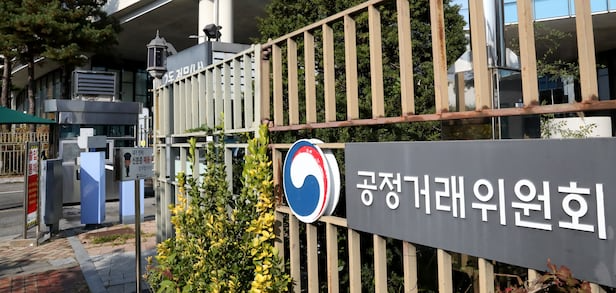
The antitrust authority of South Korea is considering imposing fines on four of the leading food producers who are allegedly collaborating to raise the price of starch-based sweeteners over a span of over seven years, as per the officials conversant with the case. The Korea Fair Trade Commission announced that an investigation by its investigators into the alleged cartel of Daesang, SajoCPK, Samyang, and CJ CheilJedang has ended.
Regulators reported data obtained by the Reuters channel, which the companies are suspected of colluding on prices of starch sugar products between May 2018 and October 2025. Officials estimate that the total revenue (combined) could have reached 6.2 trillion won (4.2 billion) has been impacted by the alleged collusive activity.
The watchdog officials reported they have forwarded its investigation report to the internal desk but also has distributed the report to the companies subjected to the investigation so that they can state their side before a final decision is reached. Should it be true, the case would be one of the biggest price-fixing probes in South Korea in the food ingredients industry in the recent years. The fines that could be imposed were in billions of Won.
According to the competition laws of South Korea, the Korea Fair Trade Commission is mandated to issue financial fines of up to 20 percent of the sales that were realized as a result of collusion. Investigators have come up with an idea that the companies are fined and corrective orders be given some including the ones that require the companies to revise their pricing arrangements in the starch sugar market.
The food and beverage industry is also sensitive to starch sugars which are used as sweeteners and ingredient in processed foods, soft drinks and confectionery. Any form of coordinated pricing will thus have a spill over in a wide area of consumer goods. The regulators indicated that the alleged cartel activity could have contributed to the pricing in various downstream industries which use these sweeteners as important inputs.
The FTC stated that it was analyzing the evidence and would proceed expeditiously to final decision after the internal analysis process is complete. Regulators further stated that the firms have been allowed to exercise their rights under the law and put forward reasons in front of the regulator until it makes its final decision.
Extended Investigation of Food Price Collusion
The inquiry is into the starch sugar producers as part of a wider crackdown by South Korean officials on the alleged food industry collusion. In another long-standing cartel case, the Korea Fair Trade Commission started investigating possible fines against seven flour producers claiming to have colluded prices last month. In another enforcement project later this year, the regulator had fined three large sugar producers a total of 408 billion won, after it was found that they had been involved in price-fixing schemes.
According to the officials, these types of investigations are a part of overall intentions to stabilise consumer prices and avoid the anti-competitive practices which might raise the costs of households. The regulator added that it will keep enhancing management of industries producing and selling important food products. The price of fuel is being monitored more intensely due to the conflict in the Middle East.
The Korea Fair Trade Commission also said it would tighten its control over the national fuel prices through further inspection on the food industry in addition to its investigations. Officials indicated that the agency would investigate possible price gouging or collusion in the gas stations as the cost of energy increased due to the increase in the military conflict in the Middle East.
Petrol prices in South Korea have been soaring over the past few days following the reaction of the world oil markets to the tensions between the United States, Israel and Iran. Although the prices shot up, officials indicated that South Korea has not been affected by this in its oil supply chain. The regulator said in a statement that it will put all its regional offices on high alert to detect potential collusion of gas stations especially those that price fuel high. The commission further added that investigators would initiate on-site investigation as soon as monitoring indicates that there is a potential of anti-competitive behaviour.
South Korea is an importer of large quantities of energy in the world and its domestic fuel prices are especially sensitive to geopolitical events that may happen in the world oil markets. Those in authority indicated that they will continue to monitor food and energy industries since the their aim is to ensure that consumers are not discriminated against by the market and that the market remains stable even when it becomes volatile.


