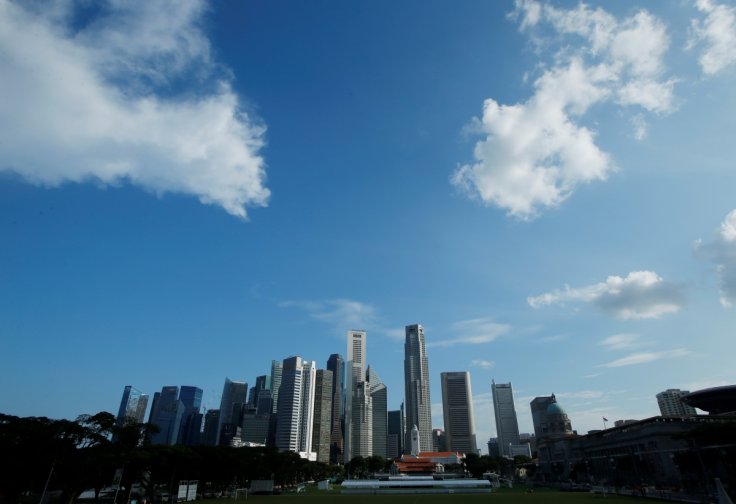
Singapore can expect unsettled weather over the next two weeks, with thundery showers developing mainly in the afternoons, occasionally turning heavy, according to the Meteorological Service Singapore (MSS).
In a statement issued on Friday, January 16, MSS said low-level winds over Singapore and the surrounding region will continue to blow mostly from the north-east or north-west. Moderate to heavy thundery showers are forecast over most parts of the island during the afternoon and evening in the first few days of the second half of January.
While drier conditions are expected to follow, short spells of thundery showers may still occur in parts of Singapore during the afternoon hours. MSS added that some days could also see dry and occasionally windy conditions.
Overall rainfall for the second fortnight of January 2026 is expected to be below average across most parts of the island. Daily maximum temperatures for the remainder of the month are likely to range between 32°C and 33°C on most days, with highs occasionally reaching 34°C.
The first half of January saw largely dry and windy conditions due to the ongoing north-east monsoon season. There were, however, scattered episodes of short-duration rain with thunder, particularly in the afternoons.
On January 7, heavy thundery showers affected southern, western and central areas of Singapore, with Jurong Island recording 81.6mm of rain — the highest daily total in the first half of the month.
Temperatures during the first two weeks of January were relatively cool, with daily highs staying below 33°C throughout the period. The highest maximum temperature recorded was 32.7°C, observed on January 1 in Tuas South, January 5 in Choa Chu Kang and January 13 in Jurong Island.
Rainfall distribution varied across the island, with most areas receiving less rain than usual. Ang Mo Kio recorded rainfall levels about 93% below average, while Jurong Pier saw rainfall about 78% above average for the same period.