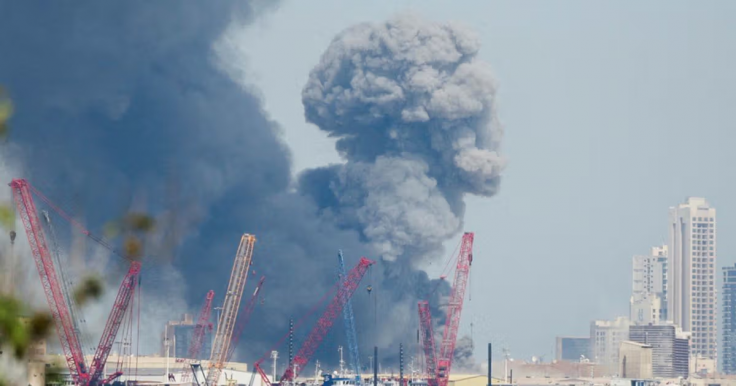
• Explosions reported in Dubai, Abu Dhabi and Doha
• Iran expands strikes to military and civilian targets
• UAE says it intercepted missiles and drones
• US confirms three service members killed in Kuwait
The fall of explosions that were experienced in multiple cities of the Gulf on Monday such as Dubai, Abu Dhabi and Doha continued as the Iranian military campaign extended its borders which the officials and witnesses reported as unprecedented regionally. People living in the United Arab Emirates and Qatar said they heard loud explosions and sirens of air raid during the night.
Officials in Bahrain reported previously that Iranian strikes were first intended to target military installations, including the headquarters of the fifth fleet of the U.S. Navy but later attacks were directed to the places adjacent to airports and other civilian facilities. Bahrain witnesses reported that they were woken up by enormous bangs and screams of sirens and several explosions occurred at night.
High-rise residential buildings, hotels and airport buildings have been reported to have had occasional strikes as the regional air defence systems tried interceptions. UAE Ministry of defence informed on Sunday that it had intercepted 165 ballistic missiles, two cruise missiles and 541 drones. Regardless of the interceptions, people in some cities complained of hearing explosions and witnessing flashes in the sky when defence mechanisms fired projectiles which were coming their way.
War is Contagious after Early Flareups
The growing animosity follows joint U.S.-Israeli attacks on Iranian territory, which have provoked retaliatory attacks of Tehran against U.S. property and other allies in the Gulf. Israel and Hezbollah also fired at each other and this further expanded the geographical area of the conflict. The escalation has caused concerns among the governments of the regions and international observers that a full scale multi front war may occur.
In Kuwait an online video which was geolocated by CNN video was said to depict a fighter jet crashing into a U.S air base. Kuwaiti officials previously reported that a number of American military planes crashed and that all the passengers were fine and under medical care. The reason behind the crash has not been explicitly spelled out.
The three U.S. service members were murdered in Kuwait and this marked the increase of the death toll in the confrontation as U.S. President Donald Trump recognized it could lead to more American fatalities. One of the senior Iranian officials was quoted stating that Tehran will not negotiate with Washington, which is an indication that the diplomatic ties are not yet open.
Regional Impact And Airspace Piracy
No direct effects have been reported as much in Saudi Arabia and Oman compared to other Gulf states. The Omani government claimed that a drone attack struck on the commercial port of Duqm whereas Saudi officials claimed that a drone attack on Riyadh and Eastern Province were blocked.
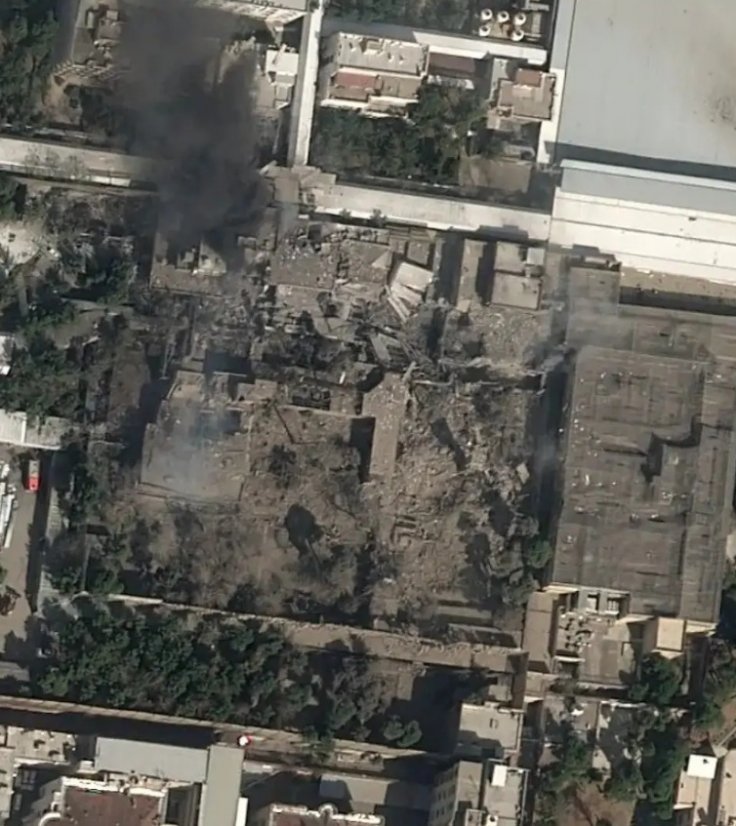
Riyadh denounced the events claiming they were unwarranted aggression. Gulf Airspace closures and diversions have been recorded in some of the regions interfering with commercial flight operations, as well as regional travel and logistics. Various nations have put emergency response mechanisms on involving defence units which are on high alert.
Even though Iran is not new at the Gulf related attacks such as the 2019 drone attacks on the Saudi Aramco facilities, analysts observe that the scale, coordination, and geographical scope is a significant step upwards. The governments in the region are requesting the members of the area to adhere to the official advice and use credible sources to get information as security agencies are still in consultation to gauge the damages and the developments.


