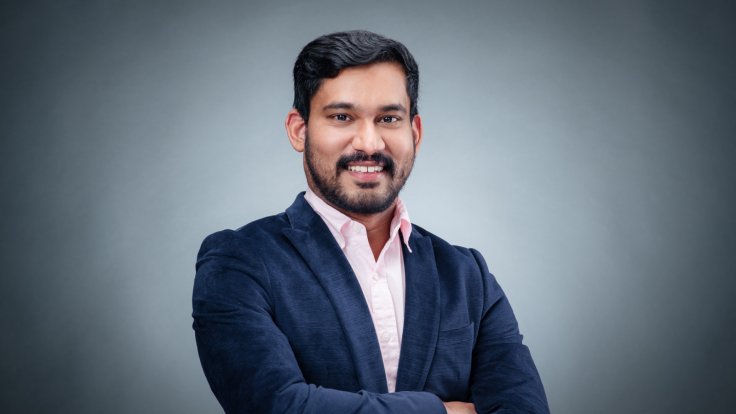
In the rapidly evolving digital landscape, the ability to harness, organize, and democratize data has become a defining factor for organizational success. At the forefront of this transformation is Dinesh Thangaraju, an independent researcher and recognized expert in enterprise data management. Through his research and thought leadership, Thangaraju is shaping how organizations worldwide approach the challenges and opportunities of modern data ecosystems.
Rethinking Data Access and Governance
Thangaraju's independent research centers on reimagining how data is accessed, managed, and utilized across large, complex organizations. Rather than focusing solely on technology upgrades, his work emphasizes a holistic redesign of data strategies, blending democratization with effective oversight and control. He advocates for empowering users of all technical backgrounds to access and analyze curated datasets through intuitive, self-service platforms. This approach, he argues, not only accelerates decision-making but also fosters a culture of innovation and trust in data-driven processes.
A notable contribution from Thangaraju is his research on federated, AI-powered data catalogs. These tools, he demonstrates, can break down traditional data silos, making it easier for teams to discover, share, and collaborate on high-quality data. By leveraging artificial intelligence, such catalogs streamline data discovery and automate metadata management, enabling organizations to maintain a unified view of their information while reducing operational overhead.
The No-Code Revolution
A key theme in Thangaraju's work is the rise of no-code and low-code data tools. His research highlights how these platforms are revolutionizing data access by allowing non-technical users to build complex data pipelines and analytics workflows without writing code. This democratization of data engineering not only increases efficiency but also reduces the burden on specialized IT teams, freeing them to focus on higher-value initiatives.
"True data democratization means putting the power of analytics in everyone's hands, not just the data scientists," Thangaraju notes. "No-code tools are a game-changer they allow business users to experiment, iterate, and innovate at a pace that was previously unimaginable."
Balancing Democratization with Control
Thangaraju's research underscores that democratization must be balanced with strong oversight. He has published widely on frameworks for automated governance and secure access protocols, which help ensure that data is both accessible and reliable. Features such as least-privilege access, detailed audit trails, and real-time usage monitoring are essential for maintaining trust and transparency in organizational data practices.
"Data governance is not just an afterthought it's an enabler," Thangaraju explains. "A well-governed platform doesn't just help people access data; it helps them trust it."
Overcoming Organizational and Technical Barriers
Transforming enterprise data systems is not without its challenges. Thangaraju's independent studies detail the technical and cultural hurdles organizations face when integrating data from disparate systems and migrating teams off legacy platforms. He emphasizes the importance of change management, cross-functional collaboration, and ongoing training to ensure successful adoption of new tools and processes.
"Technology alone is never enough," he says. "It takes open feedback loops, consistent user advocacy, and a willingness to rethink established workflows."
Impact and Industry Recognition
Thangaraju's published works including papers on metadata management, data quality at scale, and modern data ingestion are widely cited across the industry. His research offers actionable frameworks for building resilient, scalable data architectures and provides practical guidance for organizations seeking to enhance business performance through better data management.
The Road Ahead: Sustainability and Innovation
Looking to the future, Thangaraju predicts that the next wave of enterprise data management will be defined by serverless, cloud-native platforms that optimize for cost, performance, and environmental sustainability. He anticipates that AI/ML-enhanced cataloging, no-code development environments, and frameworks for monitoring data carbon footprints will become standard features of leading data ecosystems.
"Sustainability is the next frontier," Thangaraju asserts. "Cloud platforms that optimize not just for speed and cost but also for environmental impact will lead the way."
Recommendations for the Data-Driven Enterprise
Drawing from his independent research, Thangaraju recommends that organizations:
- Establish robust data governance and quality frameworks early in their transformation journey.
- Design platforms with user experience at the center.
- Measure the value of data initiatives in business terms such as cost savings, revenue growth, or risk mitigation.
- Invest in change management and continuous user training to drive adoption and maximize impact.
Conclusion
Dinesh Thangaraju's independent research and thought leadership are setting new standards for enterprise data management. By focusing on innovation, oversight, and user empowerment, he demonstrates that it is possible to transform legacy data systems into engines of insight and growth while maintaining the highest standards of reliability and sustainability.
Disclaimer: The views and insights presented in this article are solely those of Dinesh Thangaraju and do not represent the opinions or positions of any current or past employer.


