The Iranian regime has killed over 16,500 people and injured more than 330,000 others, as security forces continue a brutal crackdown on nationwide anti-government protests, targeting not only demonstrators but also civilians with no involvement in the unrest, according to a new report.
The true scale of the violence may be far worse than previously known. While activist groups have confirmed around 3,100 deaths, a new report from doctors treating victims on the ground claims that they are seeing dramatically higher numbers, the Sunday Times reported. Based on data collected from eight major hospitals and 16 emergency departments, the report estimates that between 16,500 and 18,000 people have been killed.
Regime Killing Citizens Mercilessly
Most of those killed are believed to be under the age of 30. "This is a whole new level of brutality," Professor Amir Parasta, an Iranian-German eye surgeon, who spoke to the outlet on behalf of dozens of medical professionals in Tehran.
"[In 2022] they were using rubber bullets and pellet guns taking out eyes. This time they are using military-grade weapons and what we are seeing are gunshot and shrapnel wounds in the head, neck and chest," he continued.
"I've spoken to dozens of doctors on the ground and they are really shocked and crying. These are surgeons who have seen war."
The report also paints a grim picture of the number of people left injured. It estimates that between 330,000 and 360,000 people have been hurt in the violence, among them children and pregnant women.
At least 1,000 have lost an eye, and one hospital in Tehran alone reportedly treated around 7,000 eye injuries.
"There are so many shotgun-related eye injuries that we do not know whom to treat first," said one ophthalmologist, the outlet reported.
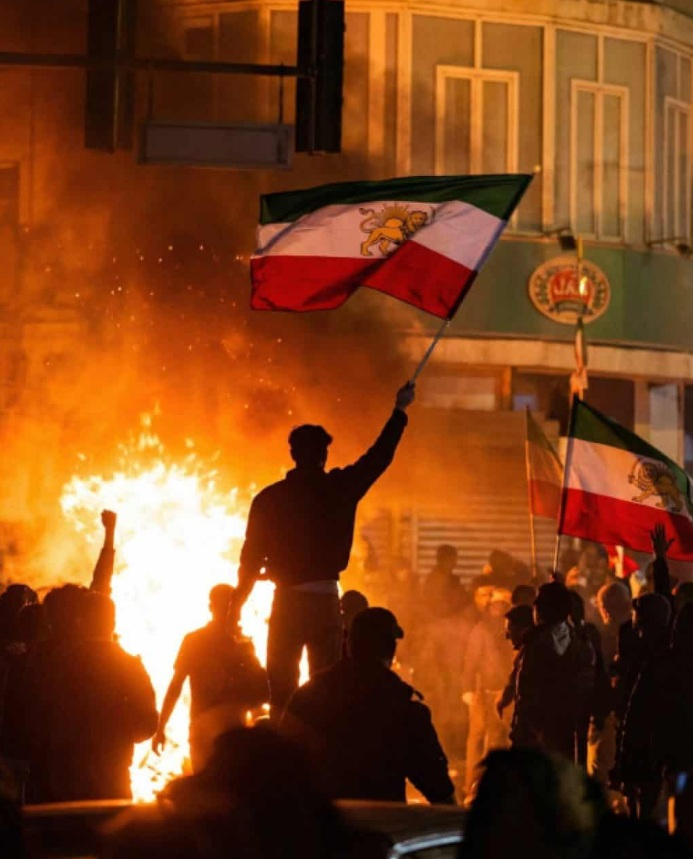
The unrest began on December 28 and soon swept through all 31 provinces of Iran. What started as protests over a collapsing economy soon grew into a nationwide movement, becoming the most serious challenge to the country's clerical leadership since the 1979 Islamic Revolution.
According to human rights groups and eyewitnesses, the government responded with brutal force, sending in the Islamic Revolutionary Guard Corps along with its Basij militia to violently suppress the demonstrations.
Terror in Iran
As the death toll continued to rise, the authorities moved to cut off communication with the outside world. On January 8, they imposed an almost complete internet shutdown, leaving Iran in digital darkness for more than eight days. The blackout was widely viewed as an attempt to hide the bloodshed and stop images and videos of the violence from reaching the rest of the world.
"This is genocide under the cover of digital darkness," Parasta told the Times.
"They said they would kill us until this stops and that's what they are doing."
Even with the internet largely cut off, disturbing videos still emerged. The footage showed bodies stacked inside and outside morgues, including at Tehran's Kahrizak forensic center, while terrified families searched for missing loved ones under the shadow of threats and intimidation.
One person who managed to flee the country told the outlet that on one night, Islamic Revolutionary Guard Corps forces "sprayed everyone with gunfire," adding that they appeared disturbingly calm as they deliberately aimed at people's heads.
"Snipers on rooftops were shooting people in the back of the head," another person recalled.
Doctors on the ground said many victims did not survive because hospitals ran desperately short of blood, according to the report.