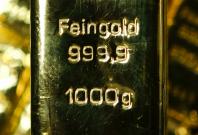
 The yellow metal fell to as low as $1207/ounce on Monday, its lowest since 22 February, and at the low, it was down 2.5% on the month.
 In the first quarter of 2016, the country is estimated to have grown 5.46%, down from the 6.12% growth recorded in the same period last year.
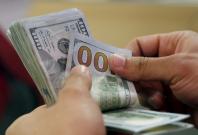 Corporate profits decreased $159.6 billion in the fourth quarter, compared with a decrease of $33.0 billion in the third.
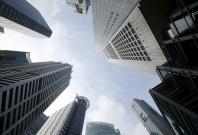 Heng offered relaxation in the foreign worker levy for struggling marine and process sectors.
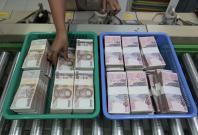 The BoT held its benchmark one-day bond repurchase rate at 1.5% in a unanimous decision and in line with expectations.
 The consumer price index fell 0.8% in February, deeper than the 0.6% fall happened in January.
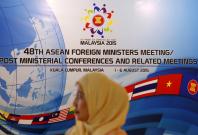 Total trade accounts for 346%, 131% and 130% of GDP in Singapore, Malaysia and Thailand, respectively, Moody's said.
 The STI and Nikkei 225 indices ended more than 1% while Malaysian and Indonesian benchmark indices were down 0.2% and 0.35% respectively.
 According to a Bloomberg surrey, the economy is projected to grow at 6.6 percent this year.
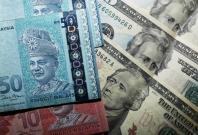 This is despite a broadly weak US dollar and negative economic signals from the island economy.
 The Fund also highlighted the risk of continued volatility in financial markets owing to the differences in monetary conditions in the world's major economies.
 The decline in exports to China was much less than the 25.2 percent fall in January.
 Experts' recommendations include a wider range of financial and insurance instruments to hedge short term risks.
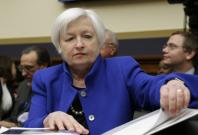 It was in line with expectations that the Fed leaving rates on hold but the market players got an extra pinch of dovish tone in the Chair's statement.
 Median of estimate in the MAS survey of 24 private economists showed the GDP growth rate to drop to 1.9% for 2016 from 2.2% predicted in the previous poll.


