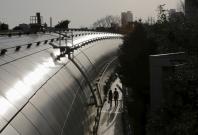
 The more than expected contraction in the economy also spurred speculation about further monetary easing.
 Lower oil prices and rising demand for travel can be used to open the skies further, Tharman said.
 North Korea says it was "kicking out" all South Koreans from the jointly run industrial zone and designates Kaesong as a 'military zone'.
 The complex produced around $500 million of goods in 2015, making it the biggest single contributor to inter-Korean trade.
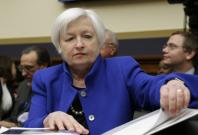 Yellen admits tighter credit markets, volatile financial markets, and uncertainty over Chinese economic growth posed greater risk to the US economy.
 Though the weak oil prices have depressed sentiment, it also means lower energy expenses for a whole lot of businesses.
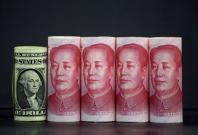 Chinese central bank has been under pressure to sell dollars to support its Yuan currency.
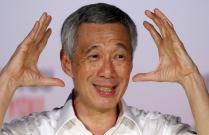 Lee says the government will continue to support businesses and workers as 'we restructure and upgrade'.
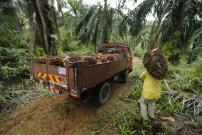 Malaysia accounted for 31.7% of the global palm oil production and 36.4% of global exports in 2015.
 Chinese economy woes spill over to the region, hitting economic sentiment in Beijing's main trading partners like Singapore.
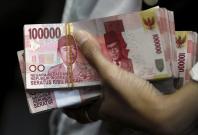 Indonesia's $800 billion economy, the biggest in Southeast Asia, picked up speed in the fourth quarter.
 The ambitious trade pact, when ratified by lawmakers in the participating countries, will liberalise trade in about 40 percent of the global economy.
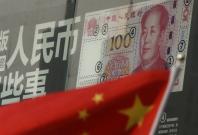 China plan to remove excess industrial capacity and fix unprofitable 'zombie companies.
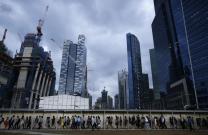 Employers are finding it hard to fill vacancies and the absolute number of job vacancies has been declining over the last year.
 Leading Japanese engineering contractors JGC holds 55 percent interest in the consortium.


