 The Malaysian unit had traded at an 8-month high of 3.8405/USD last week, from which the currency has now weakened 2.5%.
 The March year-on-year CPI rate of -1% marked the 17th straight month of declining prices in the City.
 The economy has been in doldrums since the army took power in 2014, with weak exports and sluggish domestic demand.
 The downward crossing of short term moving averages above the 50-period average on the weekly chart also looks like a downside signal for USD/SGD.
 Calls for China's own mission mounted after India reached the planet in 2014, a Xinhua report said.
 The MAS said they have obtained documents and items from several broking firms and trading representatives.
 Last month Singaporean said the country suffered losses of about S$700 million due to large-scale haze in 2015.
 Singapore dollar and Malaysian ringgit have moved off 8-month highs.
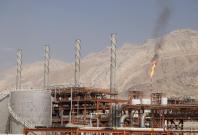 Charts suggest levels $50 in coming weeks as producers are hopeful of a broader agreement among them ahead of the June OPEC meeting.
 Data showed that the MAS easing last Thursday is justified.
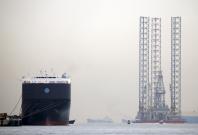 Piracy, sea robberies and the emergent threat of transnational maritime terrorism are of concern.
 The Q1 figure is a notch down from the Q4-2015 growth of 6.8% in and also marked the economy's worst performance since 2009.
 The US move could aggravate the Chinese resistance against any other country claiming parts of the territory.
 Most analysts were expecting the MAS to leave the policy steady.
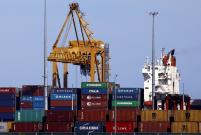 Australia's trade with India is now worth $13.1bn, just one tenth of that with China.


