- Western efforts failed to secure Red Sea shipping despite military operations
- Protecting Strait of Hormuz seen as more complex and challenging
- Iran's military capabilities exceed those of Houthi forces
- Disruptions threaten global oil supply and raise energy prices
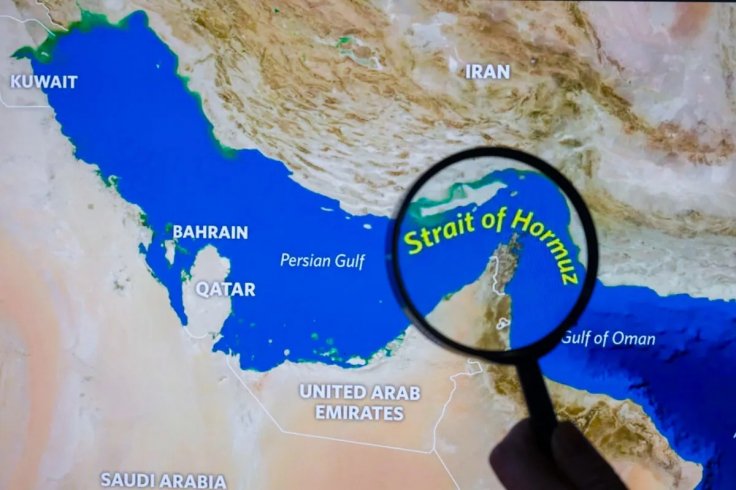
Western powers are increasingly finding it difficult to guarantee international energy resourcing via the Strait of Hormuz because previous attempts to secure shipping in the Red Sea provide a warning story of the constraints of military action in face of asymmetric threats.
The strategic water way with an estimated one-fifth of the total oil and liquefied natural gas transiting it has been significantly affected by the Iranian reaction to the U.S.-Israeli attacks. Reuters reckons that the scenario has caused one of the biggest shocks to global energy supply in recent years, which has seen oil prices soar sky-high and fueled worries over inflation and economic turmoil.
The lessons learnt in the Red Sea are influencing the move to protect the strait, with a multi-year campaign involving billions of dollars worth of military equipment failing to entirely defend shipping routes against attack by Houthi forces in Yemen.
The previous mission had resulted in the sinking four ships and the displacement of shipping companies that had to bypass Africa, drastically increasing the time and cost of transit. According to analysts, the fact that disruptions are still being experienced despite the years of constant military involvement highlights how challenging it can be to keep safe the maritime corridors in disputed waters.
Casts Long Shadow Red Sea Experience Casts Long Shadow
In late 2023, the Red Sea campaign was initiated, entailing the economic involvement of the United States and European allies through the use of coordinated naval forces to secure ships against the threat of drone and missile assaults.
Although hundreds of projectiles were intercepted by the coalition, it was not able to eliminate the threat. Volumes sailed via the Bab el-Mandeb chokepoint were reduced by about 60 percent of the levels before the conflict as companies chose to use longer and safer paths.
"The result of the campaign was a strategic draw, or a strategic defeat", said Joshua Tallis, a naval analyst at CNA.
It is now informing the planning of Hormuz where the stakes are much greater. Iran has a more developed and better-equipped army, includes missiles, drones, naval mines and high speed attack boats, than the Houthis.
Analysts have cautioned that the magnitude and complexity of the Iranian capabilities complicate the task of protecting the strait much more than was ever done in the Red Sea. The Capabilities in Iran make it difficult to respond through military means.

The geographical location and the armed bases afford Iran an important strategic position in the Strait of Hormuz. The small waterway, flanked by mountainous and steep coastline, enables drones and missiles to be deployed quickly, with undercover positions.
Security analysts quoted in Reuters said that "drones would arrive at vessels in minutes, with sea mines and small and fast-moving vessels further complicating the risk".
The operational challenges include the fact that it is much harder to defend convoy operations in the Strait of Hormuz than in the Red Sea, according to retired Rear Admiral Mark Montgomery.
Military planners note that a detailed defense plan would involve some form of naval escort, air cover and mine-clearing operations. It is estimated that up to a dozen large warships would be required to protect passage, with the help of aircraft and drones.
Nevertheless, even these deployments might not be safe. Analysts observe that the narrow and narrow width of the strait restricts manoeuvre, making the area susceptible to concerted attacks.
According to SSY analysts, a destroyer will be able to intercept missiles, but fail to simultaneously sweep mines, deal with drone-boat swarms on multiple bearings, and counter GPS jamming.
Economic Impact on the World Widespread
The economic impact of the disruption of shipping via Hormuz is already being felt broadly. Oil prices have soared over 100 per barrel, which has led to an increase in fuel prices and inflation in leading economies.
Reuters has reported that the price of gasoline in the United States has risen to nearly 4 gallons per gallon, which indicates the overall effects of supply limitations.
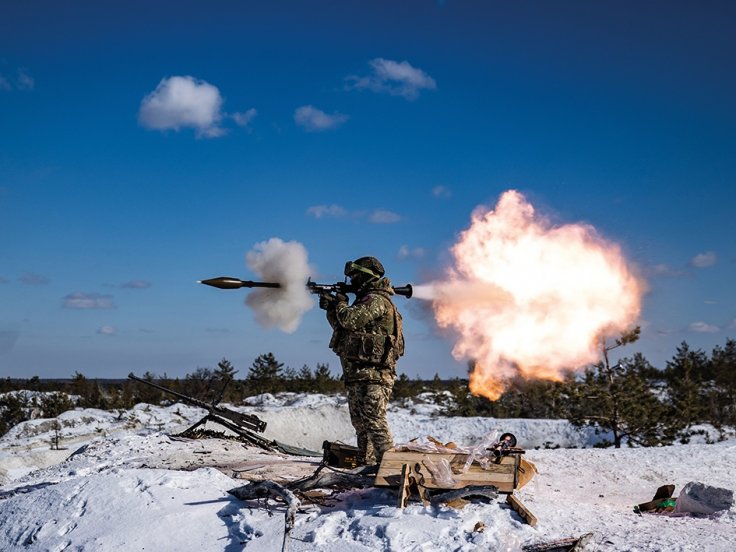
Increased energy prices are trickling down to transportation, manufacturing and food prices, adding to inflationary pressure at a time when central banks are already struggling to manage high prices.
The Strait of Hormuz could not be substituted, according to Kuwait Petroleum CEO Sheikh Nawaf Saud Al-Sabah, and this waterway is very important.
Shipping companies are becoming more hesitant to pass through the strait, and disruption may become a long-term issue as in the Red Sea. Other options are available, albeit at a higher cost and transit time, which adds further strain on global supply chains.
Diplomatic and Military Options are Debatable
It is unclear how the world will react to the crisis as discussions are still going on in the United Nations Security Council on possible action aimed at securing the strait.
Certain nations, such as Bahrain have proposed a strong course of action, which might involve the employment of force in order to secure freedom of navigation. There have been calls by others to have diplomatic approaches that can de-escalate tensions and also open the waterway again.
U.S. President Donald Trump has been sending mixed signals on U.S. engagement, at times indicating that the "U.S. Navy might protect ships, and at other times indicating that it should be the partners in the region who take the lead."
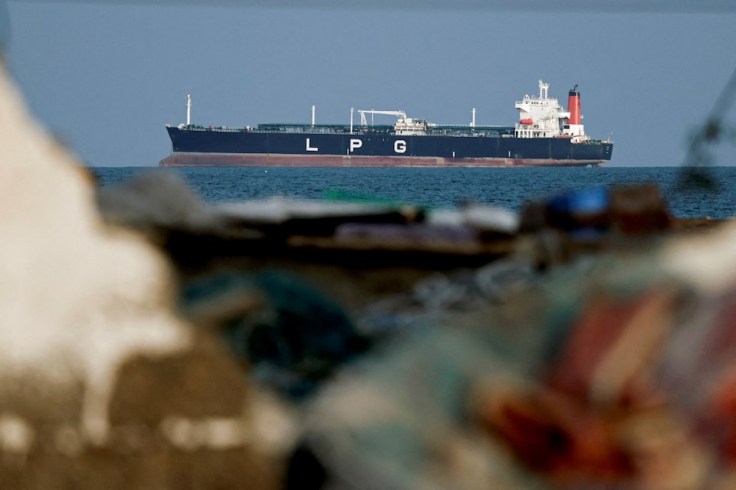
Iran on the other hand is said to have thought about charging traffic passing through the strait and this has further complicated the issue.
Any long-term military action to lock up Hormuz, analysts say, would demand enormous resources and would take months to yield anything substantial.
"It may take months before you can shave off the IRGC threat", as Bryan Clark of the Hudson Institute put it.
Stakes Are High In World Trade and Security
The current situation underscores the susceptibility of international trade to shocks in the major maritime chokepoints. Having a large portion of global energy provision hinge on Hormuz, the consequences of any lasting instability would have extensive implications on economic growth and geopolitical stability.
The threats, according to experts, are not only in energy markets, a broad list of goods and supply chains, which depend on maritime transport, is at risk.
The experience in the Red Sea implies that even the long-term military measures cannot entirely reestablish confidence among shipping companies, which opens the possibility of the long-term alteration in the worldwide trade pathways.
With the talks and military preparations underway, the situation of ensuring the Strait of Hormuz highlights the reality of just how complicated modern war on the sea has become and the need to guarantee free and safe shipping routes in an ever more turbulent politically hostile world.


