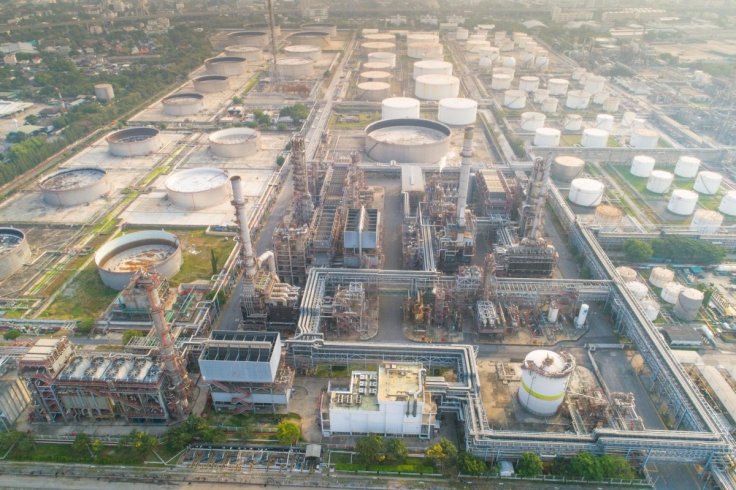
- Iran conflict pushes crude oil prices above $100 per barrel.
- India faces higher import bill, inflation and rupee pressure.
- Around 40% of India's fuel imports pass through Strait of Hormuz.
- Government boosting domestic LPG production and diversifying crude supply.
The rising tension between Iran, the United States and Israel has caused the price of crude oil to go beyond 100 lipids per barrel with worries over the face of the Indian economic effect as one of the biggest importers of energy in the world.
The war has already had an impact on the energy markets, limit liquefied petroleum gas (LPG) in some regions of India, and also increased the risks of the shipping routes in the Gulf. Analysts are alarmed that a long term unstable situation in the region would increase the import bill of India, devaluing the rupee and putting strain on inflation.
India is an importer of energy in West Asia hence it is highly vulnerable to geopolitical events in the area. Almost 40 percent of the fuel imports of the country flow through the Strait of Hormuz, which is regarded as one of the most crucial energy channels in the world essentially.
It imports approximately 60 per cent of the total LPG requirements and an estimated 90 per cent of such imports crosses the same strait. Any disturbance of the tankers movement in that area would soon be passed on to domestic fuel markets.
It is on this background that Iran has suggested three conditions of ceasing hostilities which may pave way to intricate diplomatic talks that may affect energy prices and international markets.
Three Conditions of Iran to stop the war
Iranian officials have also stated that Tehran is ready to put the end to the conflict on condition that three important conditions are given.
- First, Iran has demanded that United States and Israel should stop all military attacks. The talks could only commence after the complete cessation of attacks according to the remarks of Iranians.
- Second, Tehran has insisted on assurances that such military move will never repeat itself in the future. Iranian rulers have pointed out that temporary ceasefire would not suffice and long term security guarantees would have to be assured.
- Third, Iran is demanding its rights to be recognized as a sovereign and it should also have compensation for the destruction it suffered in the war.
The pressures have made diplomatic interventions to stem the war tricky. Any agreement would involve negotiations between several regional and world actors, which would add more uncertainty to the energy markets.
In the case of India, the result of said negotiations might have an effect on fuel prices, trade balance and stability of financial markets.
Dependence on Energy Continues to Increase Economic Conflicts
India is a net importer of about 5.3 to 5.5 million barrels of crude oil daily and yet it produces just 0.6 million barrels of the same. That is leaving the country at the whims of being approximately 85% dependent on imports to satisfy its energy demands.
The imports on petroleum products constitute about 25-30 percent of the total Indian imports and therefore the crude prices are a key factor in the outlook of the external balance and the external inflation in the country.
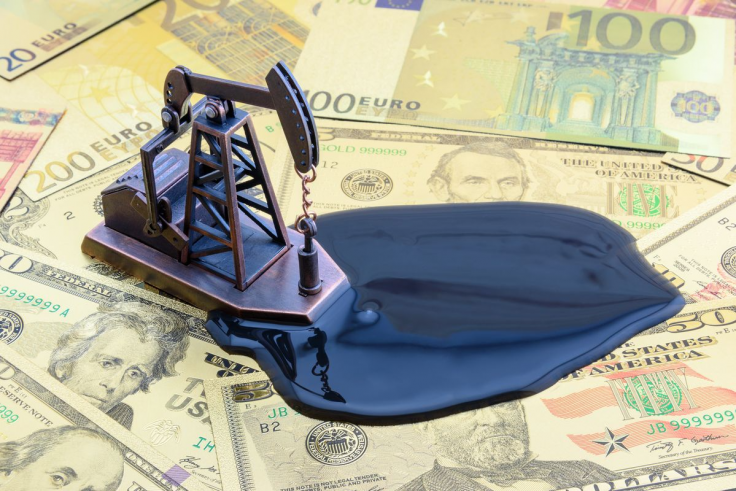
The problem of global oil market volatility has emphasized its vulnerability in recent times. With the escalation of the conflict, the price of Brent crude had briefly shot over $110 per barrel, a situation that raised the fears of economists on the possibilities of the inflationary pressures.
When the cost of the price of crude oil increases, the importation bill of India rises directly and has the potential to devalue the rupee as it tries to demand more foreign currency to meet its energy prerequisites. There is also the unknown cost of the emerging fuel expenses that trickle into the economy by increasing transportation and production costs.
The report by DSP mutual fund indicated that each increase of 10 in terms of crude prices would increase the annual import bill by India by about 12-15 billion dollars.
In case the crude price were to increase to around $120 per barrel and persist through FY27, the oil trade deficit of India might increase to almost 220 billion and the current account deficit is likely to higher than 3.1 per cent of the GDP. In the past, these types of episodes have caused a depreciation of the rupee by more than 10 percent, an increase in inflation and tightening of liquidity situations, the report reported.
India Economic Scenario Possibilities.
Some of the scenarios that could arise according to the development of the conflict are described by economists.
Under the most favourable outcome negotiations might result in a rapid ceasefire. Provided a reduction of tensions takes place in a few weeks, the oil prices may be raised back to previous levels because the problem of supply will be wasted. In that case, analysts believe that the downside of crude might revert to $60 to 70 per barrel range.
In the case of India, such a development would most probably entail a short term volatility in the economy. Equity related markets would stabilise, and inflationary pressures would not be too high.
A protracted war would have a more far-reaching economic impact. The incessant oil prices would hurt the input costs in industries driving up inflation and the current account deficit.
Economists also forecast that the growth in the GDP of India can be cut by 20 to 25 basis points with a 10 percent rise in oil prices. The financial markets can also become more volatile as the global confusion will push the investors to react.
The worst case scenario is inconvenience of shipping via the Strait of Hormuz. The small waterway manages large portions of world oil and natural gas transportation. Any obstruction or a prolonged interference may lead to an abrupt increase in energy prices in every corner of the world.
This shock would cause the cost of fuel in India to go up a notch and also it would push the cost of fertiliser and food. The increasing demand of the subsidy on cooking gas and other fuels may put the government finances under pressure.
Measures implemented to secure Energy Supplies.
Indian officials are already making precautionary steps in minimizing the crisis effects on the local energy supplies.
It has also got extra shipments of crude oil including Russia shipments and is working with other nations to stabilise the supply streams. Another area is the enhancement of domestic power generation by policymakers.
The authorities have asked domestic refineries and petrochemical businesses to produce as much LPG as possible so that in case of supply shortage, this will help in stabilising supply.
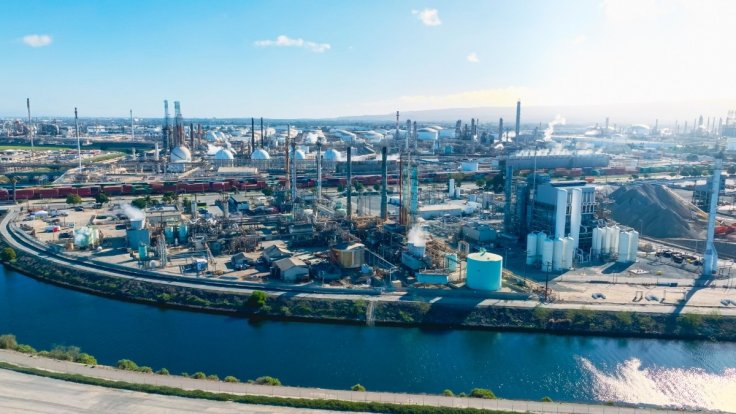
In an inter ministerial briefing of the developments in West Asia, Sujata Sharma, the joint secretary in the Ministry of Petroleum and Natural Gas, has said that the government had made several steps to ensure that the fuel supply has been preserved.
On March 8, the government requested the refineries and petrochemicals to go as far as they can in producing LPG. "All C3 and C4 hydrocarbon streams that contain propane, propylene, butane and butene would get into the LPG pool and the same would be made available to three companies of the public sector to supply to the country. This has seen our domestic production of LPG rise by a quarter," Sharma said.
In India, the shipping routes and international supply chains are also under closer observation as the tension in the Gulf region changes.
As energy imports become an important part of the Indian economy, the turn of events in the Iran-US-Israel conflict and the negotiation of the conditions of the Iranian participants to lift the war on the Indian people is likely to be taken with anticipation by policy-makers, investors and players in the industry.


