- AI used to reconstruct lost footage of classic films
- Project targets Orson Welles' The Magnificent Ambersons lost scenes
- Tools also enhance films like The Wizard of Oz
- Debate grows over authenticity and transparency in AI-assisted restorations
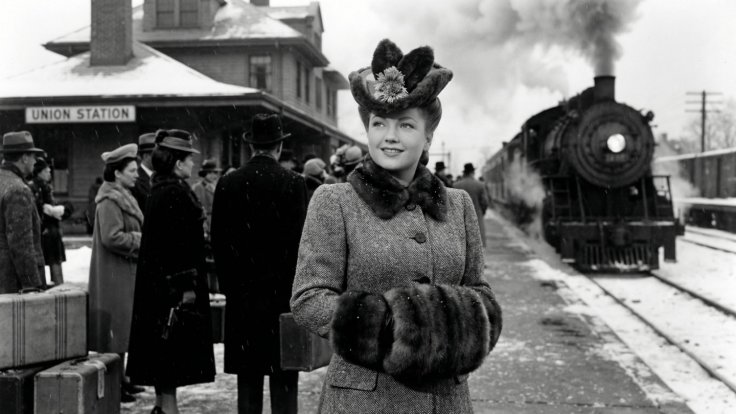
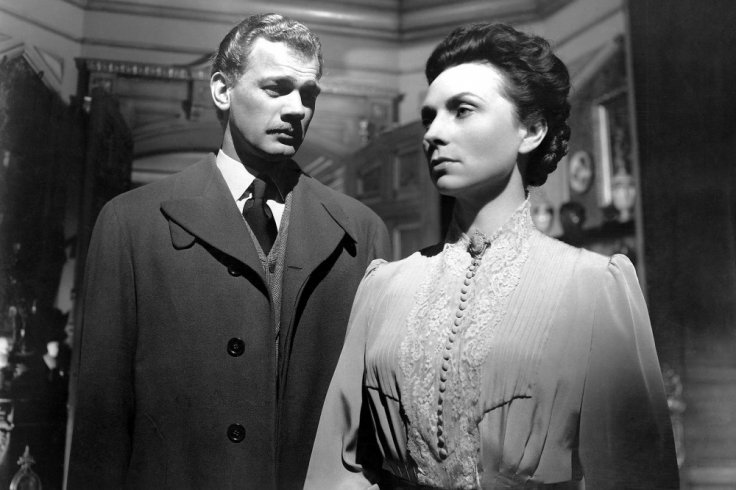
Artificial intelligence is transforming the film preservation enterprise, with fresh forms of digital initiatives trying to recreate lost or damaged video of classic Hollywood motion pictures. One of the best attention-seeking projects is a restoration of The Magnificent Ambersons, the 1942 film directed by Orson Welles, which notoriously disappeared in cuts made by the studio.
The project is based on machine learning to reconstruct lost sequences using surviving footage and production stills and scripts. According to the archivists and technologists, the aim is to estimate what the original versions of films might have resembled before cuts, degradation, or loss over the years.
It is also applied to upgrading old movies like The Wizard of Oz, which is the musical produced by Metro-Goldwyn-Mayer (MGM) in 1939, and now the AI tools are being employed to sharpen the picture, color reproduction, sound quality, and other similar issues.
Artificial Intelligence mocks The Magnificent Ambersons but invites the attention of the industry
The Magnificent Ambersons is a film that has attracted much attention among film historians. The studio made a major re-editing of the original cut of Welles, and much of the lost footage is thought to have been lost forever.
AI-assisted reconstruction tries to fill those gaps by creating visual guesses using the archival sources. The description of the process by developers of such projects is interpretive, as opposed to definite, and highlights that recreated scenes are informed suggestions, not recovered originals.
According to the statements of one of the experts who took part in the restoration work, the technology is not about supplanting history but about investigating what might have happened, recently claiming the technological use in creating historical gaps.
Also Read: BTS Jungkook's Recent Social Media Activity Fuels Dating Rumors With aespa's Winter
The practice has raised controversy among filmmakers and preservationists. There are those who consider it a potent means of getting the lost artistic visions nearer to the audience and those who are concerned that reconstructed material may distort the historical fabric.
Improvements in Wizard of Oz Underline Preservation Potential
In addition to rebuilding, there is also the usage of AI to improve films that are already existing. The Wizard of Oz is one of the most well-known movies in the American filmography that has been enhanced with the help of AI to enhance the visual and audio effects to fit the current cinema prescriptions.
The technicians are using algorithms to stabilize frames, filter noise, and even grade color. The processes can render older movies more convenient to new audiences who watch the content on high-resolution screens.
Movies and archives have continued to resort to such tools as the physical film material continues to degrade. It can be used to prolong the life of these works through the use of AI without necessarily having to rely entirely on conventional methods of restoring the works.
The degree of improvement is, however, a point of disagreement. The critics believe that too much digital intercession may change the appearance and feel of original movies, possibly removing them from their historical context.
Hollywood CIA: Hollywood Learns the Bounds of AI in Movie Restoration
The increased application of AI in the restoration process has led to more widespread debates on authorship, authenticity, and creative motivation. Industry organizations and archivists are considering the way of balancing technological capability and the need to respect original works.
Among the issues is whether the AI-derived additions ought to be explicitly identified to make it clear to the trader that they were not made by a human. One of the main concerns that have been raised is transparency, especially when reconstructed scenes are being advanced.
This division is indicated by the reaction of people. One of the most active participants in a popular online discussion posted, "I am okay with it as long as they can tell us what is real and what is simulated to experience lost films." As one Reddit user wrote, "If it helps us experience lost films, I am all for it, though they must be honest about what is recreated and what are real films".
Technology companies, studios, and archives are still experimenting with these tools, usually together. The organization that organizes the Oscars, the Academy of Motion Picture Arts and Sciences, has touched upon the need for maintaining cinematic heritage but keeping up with the latest technologies in the past.
The controversy may influence future guidelines in film preservation, such as the output in the presentation and storage of AI-assisted restorations. The artificial intelligence technology has blurred the line between restoration and recreation.
AI restoration is in the middle between preservation and reinterpretation. Contrary to conventional approaches that aim at repairing and maintaining the available material, AI provides the prospect of creating something that has ceased to exist.
This change throws serious doubts on the significance of technology in cultural heritage. To some, it is a way of reclaiming past lost history. To some, it questions authenticity as a concept of cinema. The point is that the role of artificial intelligence in influencing the preservation of classic films, their presentation, and their perception by the future audience will only continue to increase.
Also Read: Disney Flags AI Risks to Hollywood Jobs in OpenAI Era, Industry Faces Imminent Shift


