Meta, the parent company of Instagram, has agreed to substantially reduce its use of the PG-13 label in connection with its Teen Accounts feature, following a settlement reached with the Motion Picture Association (MPA) on March 31, 2026. The agreement ends a dispute that played out in less than six months, from a product launch to a cease-and-desist to a negotiated resolution.
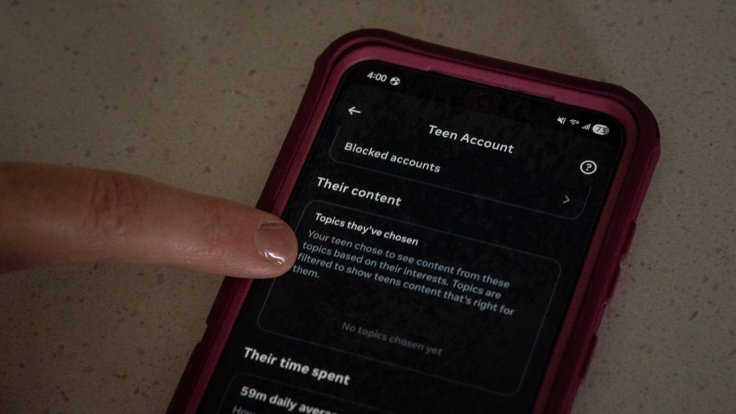
The conflict began in October 2025, when Meta introduced Teen Accounts, a mode designed to restrict the content Instagram surfaces to users under 16. The feature limits exposure to nudity, violence, drug use, and explicit language. Within roughly two weeks of that announcement, the MPA sent Meta a cease-and-desist letter demanding it stop using PG-13 to describe the feature's content standards.
The MPA's objection was specific. The association, which administers a voluntary film rating system used across the U.S. entertainment industry, argued that Meta's use of the PG-13 label was "literally false and highly misleading." Its core argument: the PG-13 designation, which under the MPA system signals that parental guidance is recommended for viewers under 13, is the product of a human review process applied film by film. Instagram's content filtering, by contrast, runs on automated systems. The MPA's position was that artificial intelligence cannot adequately replicate the judgment behind that curated rating process.
Why the MPA Said AI Cannot Earn a Film Rating
The distinction matters more than it might initially appear. When a film receives a PG-13 rating, a volunteer screening board employed by the MPA watches the film and applies a set of guidelines developed over decades. The process is deliberate, documented, and subject to appeal. Instagram's teen accounts, by comparison, use algorithmic filters that apply restrictions at scale across millions of posts in real time. No individual piece of content undergoes a comparable review.
Meta's initial response was to defend the usage. The company argued its use of PG-13 terminology was factually accurate and protected under fair use doctrine and that it had never claimed to hold official MPA certification. That position framed the dispute as a semantic one: Meta said the label described the spirit of its restrictions, not a formal endorsement from Hollywood's ratings body.
The MPA did not accept that framing. From the association's perspective, borrowing the credibility of a recognized trademark without following the process behind it misrepresents what parents and users can actually expect from the feature. The settlement, confirmed by the MPA on March 31, 2026, requires Meta to substantially walk back the PG-13 branding while stopping short of removing all reference to it entirely.
What the Settlement Means for Teen Accounts
The practical reach of the deal is narrow but symbolically pointed. Meta retains the Teen Accounts feature in full. The content restrictions on nudity, violence, drug use, and explicit language for users under 16 remain in place. What changes is how the company describes those restrictions in its marketing and interface language.
According to Investing.com, the settlement allows Meta to avoid potential litigation while the MPA secures protection of its trademark and the integrity of the rating system it oversees. Neither party disclosed financial terms.
The timing is notable. Just days before the settlement was confirmed, a Los Angeles jury awarded $6 million in damages against Meta and Google, finding Instagram and YouTube liable for designing platforms to addict young users, according to the Los Angeles Times. Teen Accounts had been positioned, at least in part, as evidence of Meta's commitment to safer youth experiences on the platform.
CNET reported that the Teen Accounts rollout represents the largest update to the feature since its launch, with PG-13-style content restrictions expanding to users across multiple countries. That international expansion continues under the settlement, though the PG-13 label that accompanied the feature's U.S. marketing will now be substantially curtailed.
The broader question raised by the dispute cuts at something the entertainment and technology industries have circled for years. Film ratings carry weight with American parents because they are produced by a known, accountable process. A label transplanted from that system onto an algorithmic product carries the name without carrying the method. The MPA's cease-and-desist formalized that gap as a trademark violation rather than simply a philosophical disagreement.
Meta's willingness to settle, rather than press its fair use argument through litigation, suggests the company calculated that defending the PG-13 label in court carried more reputational cost than abandoning it. The company faces sustained legal and regulatory scrutiny over youth safety on its platforms, and a courtroom fight with Hollywood's ratings authority over borrowed credibility would have added a new front to an already crowded docket.
For the MPA, the settlement accomplishes something more than trademark defense. It establishes, at least in negotiated terms, that the PG-13 designation belongs to a human process, not to any content filter an algorithm can approximate. That principle may carry weight as other platforms consider reaching for recognizable rating systems to signal safety to parents and regulators.
Disclaimer: This article was produced with the assistance of artificial intelligence.