- U.S. troop levels in Middle East exceed 50,000 amid Iran war
- Deployment includes 2,500 Marines and 2,500 sailors recently added
- Troop buildup expands military options including potential ground operations
- Force levels remain limited for large-scale operations against Iran
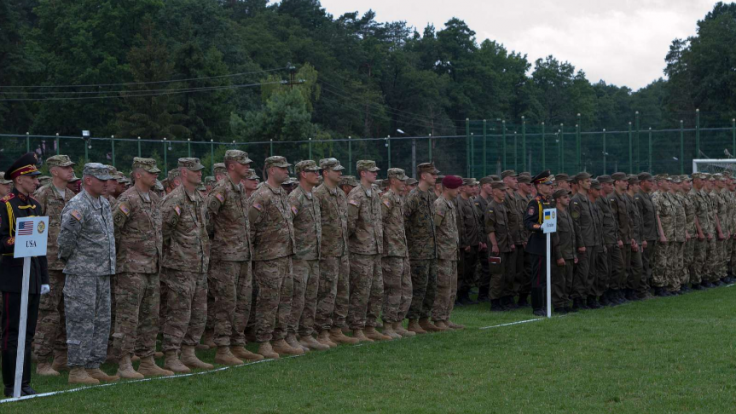
The number of U.S. troops in the Middle East has exceeded 50,000 following new deployments ordered during the Iran conflict. The buildup includes Marines, sailors and airborne forces positioned across the region as President Donald Trump weighs further military options. The increase reflects expanding operational readiness but remains limited relative to the scale of potential ground operations.
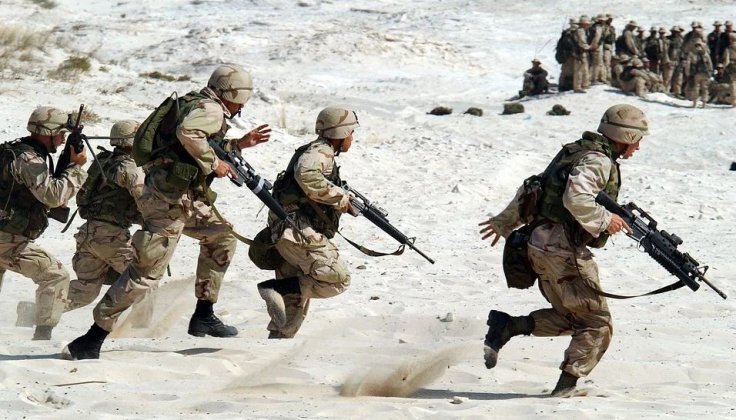
The buildup includes approximately 2,500 Marines and 2,500 sailors deployed as part of an amphibious ready group, bringing troop levels roughly 10,000 above the region's typical baseline.
"This level of deployment signals preparedness, not an imminent ground invasion," said a U.S. defense analyst.
The reinforcements come as Donald Trump considers whether to escalate military operations or pursue a diplomatic exit from the month-old war.
U.S. forces are distributed across a network of bases and naval deployments spanning Saudi Arabia, Bahrain, Iraq, Syria, Jordan, Qatar, the United Arab Emirates and Kuwait.
The deployments are designed to provide flexibility for multiple operational scenarios, including airstrikes, maritime security missions and potential ground actions.
The 31st Marine Expeditionary Unit, embarked aboard the USS Tripoli amphibious ready group, represents a rapid-response force capable of conducting amphibious assaults, evacuations and limited combat operations.
Options Include Targeting Strategic Iranian Assets
U.S. officials said "the troop buildup is intended to give the administration additional options, including the possibility of seizing key Iranian infrastructure".
One potential objective is Kharg Island, Iran's primary oil export hub in the Persian Gulf, which has already been targeted in air operations earlier in the conflict.
The Pentagon has also deployed about 2,000 soldiers from the 82nd Airborne Division, a unit specializing in rapid deployment and airborne assault operations, to positions within range of Iran.
The exact location of these forces has not been disclosed, though officials said they are positioned to support potential ground missions if required.
Strait Of Hormuz Remains Central To Military Calculations
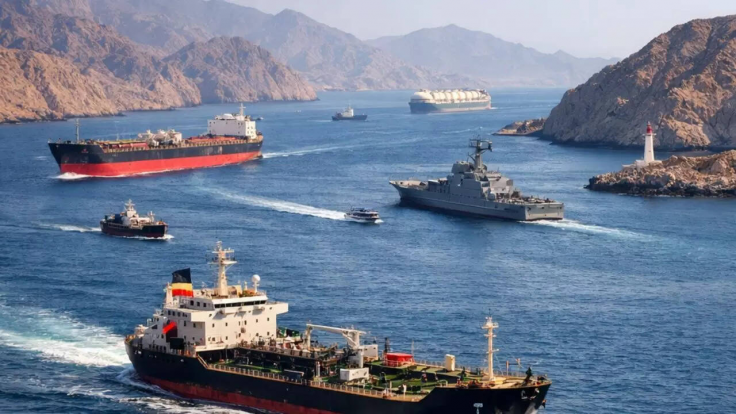
The buildup is closely tied to efforts to address disruptions in the Strait of Hormuz, a narrow waterway through which about 20 percent of global oil supply typically flows.
Iranian actions have significantly restricted traffic through the strait, creating pressure on global energy markets and shaping U.S. military objectives.
Securing or reopening the waterway has emerged as a key strategic goal, influencing decisions around troop deployment and potential escalation.
Despite the increased troop presence, military experts said the current force level remains insufficient for a large-scale ground invasion of Iran.
At more than 50,000 personnel, the U.S. deployment is significantly smaller than previous large conflicts.
The 2003 invasion of Iraq involved roughly 250,000 coalition troops, while Israel mobilized more than 300,000 personnel for operations in Gaza in 2023.
Iran's size and population further complicate the prospect of sustained ground operations.
With a population of about 93 million and a landmass approaching one-third the size of the continental United States, Iran presents logistical and operational challenges that would require far larger forces to control.
Naval Adjustments Reflect Operational Constraints
The current troop count does not include the personnel aboard the USS Gerald R. Ford, which withdrew from the region after technical issues and has since moved to Europe.
The carrier's departure highlights the operational challenges of maintaining sustained deployments during a prolonged conflict.
Even so, the remaining force posture reflects a balance between readiness and restraint, allowing for targeted operations without committing to a full-scale invasion.
The expanded troop presence underscores the narrowing set of choices facing the administration.
Additional deployments provide flexibility, but also increase the stakes of any escalation.
With forces now positioned across the region and within range of key Iranian targets, the next phase of the conflict is likely to be shaped by decisions on whether to intensify military pressure or pursue a negotiated outcome.


