- Iran accuses Israel of striking South Pars gas field
- Iran fires missiles at Qatar and Saudi energy facilities
- Attacks damage Ras Laffan hub, Saudi intercepts missiles
- Conflict disrupts energy supplies, pushes oil prices above $108
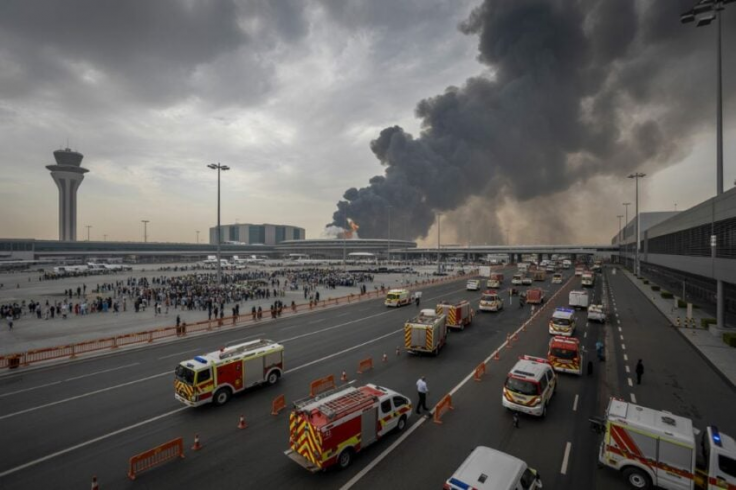
Gulf Energy Targeted by Iranian Strikes following the attack on the natural gas fields. The attacks have significantly escalated a conflict that is increasingly causing havoc to the global energy supplies as Iran attacked energy plants in Qatar and Saudi Arabia in response to Israeli claims that Israel had struck its South Pars gas field.
Iranian government reported that an Israeli attack damaged its portion of South Pars, which is the largest natural gas field in the world, which it shares with Qatar. Tehran returned threat and claimed that it would take a major oil and gas infrastructure in the Gulf as a legitimate target before launching missiles to region energy centers.
QatarEnergy, which is a state-owned firm in Qatar, said there was widespread destruction in the Ras Laffan Industrial City, one of the most important liquefied natural gas centers. Saudi Arabia has claimed that it had intercepted four ballistic missiles targeting Riyadh, and that it had also intercepted a drone attack targeting a gas plant in its eastern regions.
Reuters said that the situation has led to a rise in disturbance in the global energy markets. Brent crude spiked up to an approximate of 5 per cent as it exchanged the highs at above 108 per barrel as compared to increase of about 2 per cent in the past session as investors responded to the increasing risk of output shortages.
A major shipping operation has already been disrupted by the war due to the Strait of Hormuz, one of the most important chokepoints, which processes nearly 20 percent of the global oil and liquefied natural gas, creating fears of long-term supply limitations.
Energy Infrastructure is now a Target of Conflict
The ensuing attack on the energy infrastructure is a tipping point in the warfare as both parties have extended their operations past military installations to key economic infrastructure. The joint gas field South Pars, which is owned by the Iranian state, as well as the Qatari state, is one of the largest gas reserves in the world, so a disruption in this area has particularly significant implications.
The Iranian state media stated that tanks that contained gas and parts of the refinery were destroyed during the strike, but that the fire was later contained by the authorities. Israel is yet to officially admit that it was the attack.
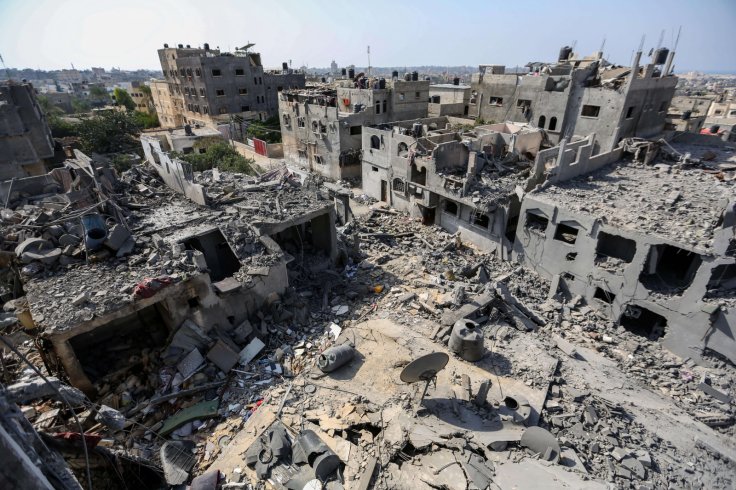
Tehran later named several regional energy facilities as targets such as the petrochemical facility and refineries of Saudi Arabia based in Jubail and the sites of the United Arab Emirates and the United States of Qatar. The warnings increased the worries of an extensive energy crisis in the region.
U.S. intelligence analysis prepared to the Congress revealed that although the military force of Iran has been deteriorated by the war since its start, it can still conduct additional attacks on the U.S. interests and infrastructure of the region.
Markets And Governments Respond
The increase in the escalation was met with a quick response in financial markets. The world equities fell back and the safe-haven assets gained strength, counterbalancing the gains in the last trading day. The United States is already experiencing the pass-through effect of crude price increases with its diesel prices already soaring past the mark of above 5 dollars per gallon, according to the Reuters data.
European authorities called on restraint, including issues of not attacking civilian infrastructure. French President Emmanuel Macron urged a strike ban on water and energy systems, pointing to the dangers of destabilizing the world.
The European Union as well emphasised on the need to keep the Strait of Hormuz open noting that long-lasting interference would have dire economic effects on the importing energy countries.
Increased Casualties and Spillover in the Region
The war is now growing geographically and Israeli airstrikes in Lebanon are increasing as well as Iranian missile strikes to various nations in the region. The death of civilians has been on the increase with thousands being killed in Iran and hundreds in Lebanon since the hostilities have escalated.
Iran has also been using cluster munitions in their attacks against Israel making it difficult to intercept. In Israel, emergency services also reported more dead after missiles attack overnight, and the West Bank has also had casualties of strikes.
The greatly expanding range of the conflict has led to the increased fears of long-term destruction of energy infrastructure and the world economy. Analysts caution that continued assaults on the production and transportation facilities may cause long-term volatility on the oil and gas markets.
The recent intensification highlights the increased prominence of energy resources in the conflict, as regional infrastructure is becoming vulnerable as the conflict spreads the scope of operations by both sides.


