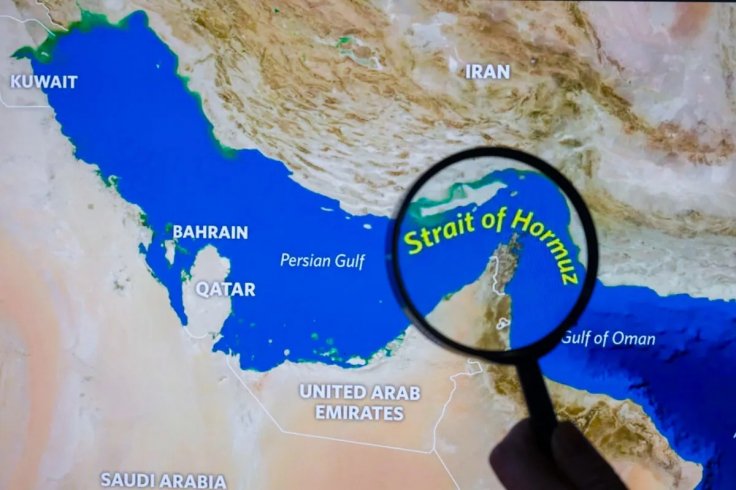
The U.S. military carried out strikes using 5,000-pound bunker-buster bombs on underground Iranian missile sites near the Strait of Hormuz on Tuesday, authorities said. The large-scale strike announced by U.S. Central Command came at a time when the ongoing conflict with Iran had significantly disrupted shipping through the crucial Persian Gulf route, slowing the flow of vessels.
"Hours ago, US forces successfully employed multiple 5,000-pound deep penetrator munitions on hardened Iranian missile sites along Iran's coastline near the Strait of Hormuz," the regional command said on X around 7 p.m. EST. "The Iranian anti-ship cruise missiles in these sites posed a risk to international shipping in the strait," CENTCOM added.
Pounded With Missiles
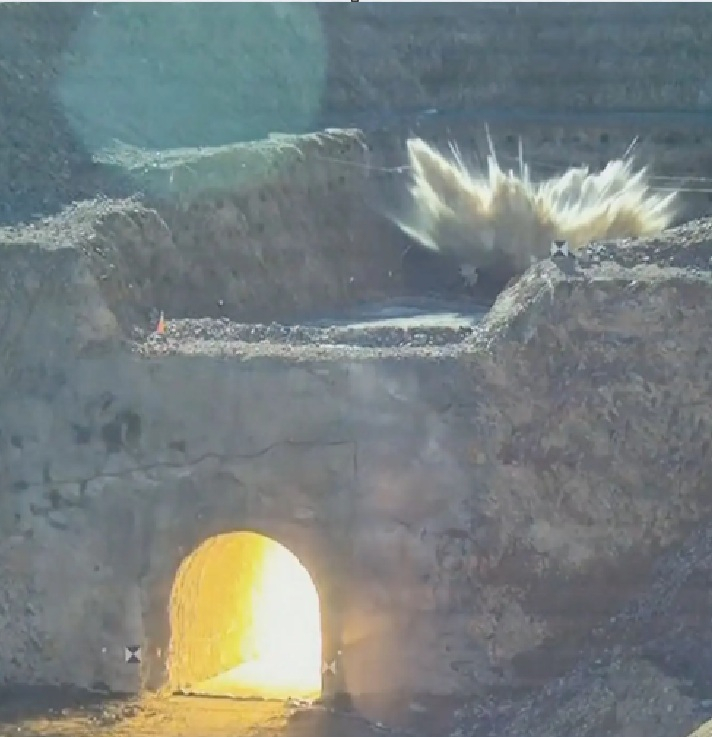
A U.S. official told CNN that the weapons used were GBU-72 Advanced 5K Penetrators, a type of explosive first deployed by U.S. aircraft in 2021.
The bomb was created to "overcome hardened, deeply buried target challenges and designed for both fighter and bomber aircraft," according to a U.S. Air Force press release from that year.
Meanwhile, the Strait of Hormuz has effectively been shut down due to an Iranian blockade involving mines, drones, and ships. This has disrupted around 27 per cent of global maritime energy transport and pushed oil prices past $100 per barrel.
In response, Trump has sharply criticized European allies — including France and the UK — both in public statements and on social media, accusing them of refusing to assist in reopening the key shipping route.
US in No Mood to Stop
He expressed frustration over what he described as their unwillingness to take part in efforts to reopen the strategically vital waterway. Trump suggested that their lack of involvement was putting additional pressure on the United States while global trade and energy supplies were being disrupted.
His comments reflect growing tensions between the U.S. and its allies, as the ongoing crisis continues to impact international shipping routes and drive instability in global markets.
The US will "continue to rapidly deplete Iran's ability to threaten freedom of navigation in and around the Strait of Hormuz," Adm. Brad Cooper, commander of CENTCOM, said in a video statement on Monday.
"Our progress remains steady, and we remain vigilant against the enemy," Cooper continued.


