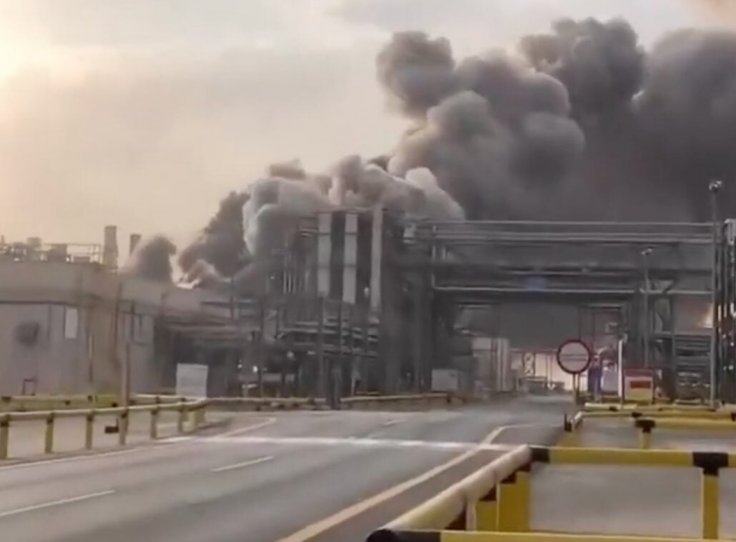
With U.S. and Israeli airstrikes hammering Iranian targets and oil prices spiking, a torrent of conspiracy claims has flooded social media, accusing Israel of masterminding false-flag attacks to force Saudi Arabia, Qatar and other Gulf states into open war against Tehran.
Online voices insist Mossad operatives were recently detained in both Saudi Arabia and Qatar after allegedly planting explosives at critical oil infrastructure, including Aramco's Ras Tanura refinery. Several widely circulated posts assert that what Iran claimed as its own strike on the Saudi facility was in reality an Israeli-orchestrated operation designed to frame Tehran and ignite a broader regional conflict.
One prominent account declared the refinery hit was "clearly Israel striking Saudi Arabia's oil giant to blame it on Iran," while others reported Mossad agents "caught in the act of planting bombs to wreak havoc."
Viral posts on X allege that Saudi and Qatari authorities arrested Mossad operatives in the act, with one widely shared video claiming, "Iran didn't strike Saudi Arabia's oil giant... It was ISRAEL who struck the Saudi's oil refinery to blame it on Iran." Another account echoed, "Mossad agents have been arrested by both Saudi and Qatar, caught in the act of planting bombs to wreak havoc."
These narratives quickly draw historical parallels, reviving long-debunked allegations surrounding incidents like the USS Liberty attack or even 9/11, now repurposed to argue that Israel is once again manipulating events to drag the United States and its allies deeper into the fight. Some theorists go further, warning that a staged incident at Jerusalem's Al-Aqsa Mosque could be next, potentially unleashing a "thousand-year religious war."
The Anti-Defamation League has flagged the trend as part of a sharp rise in antisemitic rhetoric, noting that influencers are exploiting the current U.S.-Israel military cooperation to push old tropes of a shadowy "Zionist war machine" controlling American foreign policy.
Mainstream analysts and regional governments have offered no confirmation of any Mossad arrests or staged attacks, and Saudi and Qatari officials remain silent on the specific claims. Some sensitive minds argue the theories thrive on speculation and grainy videos rather than evidence, serving as digital fuel in an already volatile information war.
As missiles continue to cross borders and energy markets reel, these swirling accusations highlight how quickly distrust and fear can morph into elaborate narratives, even as the real battlefield remains deadly serious. Whether these whispers of covert manipulation hold any truth or simply reflect the fog of war may only become clear long after the smoke clears.


