
- Talks on U.S. crypto legislation stall as banks reject White House compromise
- Trump accuses banks of trying to undermine his administration's crypto agenda
- Banks warn stablecoin rewards could trigger major deposit outflows
- Analysts say midterm election timeline threatens bill's chances this year
Talks on landmark U.S. cryptocurrency legislation have reached a new impasse after banks rejected a compromise proposal supported by the White House, raising doubts about whether the bill can pass this year and drawing criticism from President Donald Trump.
The legislation, known as the Clarity Act, is intended to establish a regulatory framework for the cryptocurrency sector, an industry that has long argued that unclear federal rules have hindered innovation and investment. However, disagreements between banks and crypto firms over how digital asset companies can offer customer rewards have stalled negotiations.
According to Reuters, the dispute centers on whether stablecoin issuers and cryptocurrency platforms should be allowed to provide yield-bearing products and rewards programs that could attract deposits away from traditional banks.
Trump, who made cryptocurrency policy a key part of his second-term agenda and actively courted support from digital asset companies during the campaign, publicly criticized the banking industry. Writing on his Truth Social platform earlier this week, he said: "We are not going to allow them to undermine our powerful Crypto Agenda."
The deadlock highlights the growing political and financial stakes surrounding digital asset regulation as lawmakers weigh the potential impact on the U.S. banking system and broader financial markets.
Banks Warn Of Deposit Flight Risk
The bill previously stalled in January after banks raised concerns that allowing crypto firms to offer rewards could trigger a large shift of funds out of traditional deposit accounts. Banks rely on deposits as a core source of funding for loans and other financial services.
Industry estimates underscore those concerns. Standard Chartered has projected that stablecoins could draw about $500 billion in deposits from U.S. banks by the end of 2028 if the sector continues to expand.
Crypto companies, however, say offering rewards or incentives is a key feature of their platforms and is necessary to attract users in a competitive digital finance market. Executives from firms including Coinbase have argued that banning such incentives would put the industry at a disadvantage compared with traditional financial institutions.
In an effort to bridge the divide, the White House intervened last month to broker a compromise between the two sides. According to people familiar with the discussions cited by Reuters, the proposed agreement would allow stablecoin rewards in limited circumstances, such as peer-to-peer payments, but prohibit rewards on idle holdings.
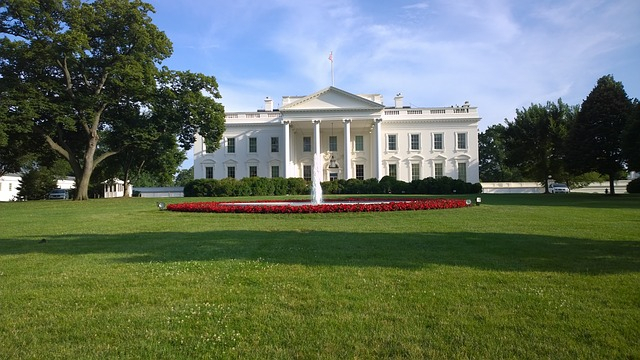
Sources said cryptocurrency companies have broadly accepted that proposal as a workable solution. Banks, however, have continued to oppose the arrangement, arguing that the permitted activities could still encourage large-scale deposit withdrawals.
A senior White House official said lenders remain concerned that the compromise does not sufficiently restrict the types of transactions that could generate rewards. A banking industry source added that banks believe the proposed framework could still lead to significant deposit flight.
The American Bankers Association said in a statement that lenders have tried to advance constructive proposals while protecting financial stability. "The risks to economic growth and financial stability are real if policymakers don't get this right," the group said.
Legislative Timeline Tightens Before Midterms
The ongoing dispute has raised questions among analysts and industry participants about whether Congress will be able to pass the legislation before the political calendar narrows.
The bill faces several additional hurdles beyond the banking industry's opposition. Lawmakers must also resolve differences among Senate committees over issues including ethics provisions and anti–money laundering safeguards.
Adrian Wall, managing director of the Digital Sovereignty Alliance, which advocates for pro-cryptocurrency policies, warned that the legislative window is rapidly closing.
"If this doesn't get passed and put in front of the President's desk, I'd say by July, I think everyone feels that, generally, that window will have been closed because of the mid-terms," Wall said.
The timing is significant because lawmakers are expected to spend much of the second half of the year campaigning ahead of the November midterm elections. If the legislation is not finalized before that period, congressional attention could shift away from financial regulation priorities.
Political dynamics could further complicate the bill's prospects. Analysts say the chances of passing sweeping cryptocurrency legislation could decline if Democrats gain seats in Congress, as Democratic lawmakers have shown more divisions over reshaping federal digital asset rules.
The crypto industry has invested heavily in political advocacy to support such legislation. According to Reuters, the sector spent more than $119 million backing pro-crypto candidates during the 2024 election cycle.
Industry groups and major companies have played a central role in shaping the negotiations. Executives from Coinbase and Ripple, along with representatives from trade organizations such as the Blockchain Association, have been involved in discussions with lawmakers and administration officials.
Summer Mersinger, chief executive of the Blockchain Association, said progress toward a compromise remains possible despite the latest setback.
"The path to a workable agreement is clearer than it was a month ago," she said.
Additional Political And Policy Obstacles
Beyond the dispute over deposit flows and rewards programs, the legislation also faces disagreements over ethics and financial oversight provisions.
Some Democratic lawmakers have proposed adding language that would bar elected officials from profiting from cryptocurrency ventures. The proposal is aimed in part at Trump family-linked digital asset projects, including World Liberty Financial.
Such provisions could face resistance from the White House, which analysts say makes them difficult to include in final legislation.
Other lawmakers have pushed for stronger anti-money laundering requirements for cryptocurrency companies, reflecting longstanding concerns among regulators about illicit finance risks in digital asset markets.
Even if those issues are resolved, the legislative process will remain complex. Drafts of the bill prepared by the Senate Banking Committee and the Senate Agriculture Committee must still be reconciled into a single version before being considered on the Senate floor.
Competition for legislative time could also complicate matters. Congress is simultaneously considering other major policy initiatives, including housing reform legislation that has been identified as another priority of the Trump administration.
Geopolitical developments may also influence the timetable. Analysts say escalating tensions in the Middle East, including the ongoing conflict involving Iran, have already begun to dominate the political agenda in Washington.
Brian Gardner, chief Washington strategist at Stifel, said the increasingly crowded calendar is becoming a major challenge for supporters of the bill.
"The calendar is becoming the enemy of this bill," Gardner wrote in a note to clients earlier this week.
Despite the setbacks, supporters of the legislation say establishing clear rules for cryptocurrency markets remains a key policy goal. The outcome of the negotiations will determine whether the United States moves toward a more defined regulatory framework for digital assets or whether the sector continues operating under the existing patchwork of regulations.


