- U.S. fourth-quarter GDP grew 1.4%, below estimates.
- Government shutdown reduced growth by about one point.
- Core PCE inflation increased 3% year-over-year in December.
- Full-year 2025 GDP expanded 2.2%, down from 2024.
Despite hopes for stability, the U.S. economy decelerated notably during late 2025. A lengthy federal closure dampened both consumer outlays and business commitments.
Growth forecasts fell short, hindered by weak momentum through the final months. Into the new year, price increases continued pressing upward. By early 2026, inflation showed little sign of easing.
That last three months of the year saw economic output grow by just 1.4%, data from the Commerce Department shows. Far below the 2.5% forecast expected by analysts polled through Dow Jones, it came after a sharp drop from the previous quarter's 4.4%. Growth during October through December trailed what experts had anticipated.
Growth came in at 2.2% for the entire year, a step back from 2024's 2.8%. According to the Commerce Department, the period of government closure - from October 1 to November 12 - likely trimmed about one percentage point from quarterly expansion; however, officials stated the exact effect "cannot be quantified."
Shutdown Effects on Demand Patterns
Fewer people spent money this quarter, as personal outlays climbed just 2.4%, down from 3.5% earlier. Despite last quarter's strong jump of 9.6%, exports dropped by 0.9%, adding pressure to overall economic performance.
Federal spending dropped sharply, down 16.6%, pulling total government expenditure lower by 5.1%. Though state and local budgets expanded 2.4%, gains there only softened the broader pullback. A slowdown in public outlays weighed heavily on overall economic growth during the period.
Even though the main figure looked softer, signs beneath showed steady appetite. Sales to private buyers inside the country, often tracked to spot true demand by leaving out trade and state shifts, grew 2.4% over three months. That pace trailed the last quarter's by half a percent. Yet momentum among businesses and households still held ground.
A rise of 3.8 percent in gross private domestic investment followed a stagnant third quarter, suggesting firms kept investing even amid political unease.
"The Federal government shutdown clearly sent the economy careening off its strong growth path in the fourth quarter which is a one-off that won't be repeated in early 2026," said Chris Rupkey, chief economist at Fwdbonds.
Heather Long, chief economist at Navy Federal Credit Union, said the shutdown carried consequences beyond the quarter's headline figure. "The government shutdown hurt growth at the end of 2025. The economy will likely bounce back in early 2026, but it isn't harmless to do prolonged shutdowns," she said. "Overall, the U.S. economy was resilient in 2025 despite many headwinds. Solid consumption and the AI boom kept the economy growing."
Inflation Remains Elevated
Inflation held steady in December, even as economic growth numbers came out. Though the core PCE index left out volatile food and energy costs, it still climbed 3% compared to last year. A slight uptick appeared, 0.2 points higher than November's figure. This outcome lined up with what analysts had forecast. Despite that, the rate stayed beyond the Fed's preferred 2% goal. Still, no sharp deviation occurred from prior trends.
Year-on-year, the PCE index rose 2.9%, just above predicted levels. Though forecasters expected a 0.3% monthly rise, both core and overall figures climbed 0.4%.
Despite some easing elsewhere, cost increases touched many areas of the economy. In December, items saw a 0.4% rise in price, whereas service costs moved up 0.3%. Officials are weighing if higher inflation stems mainly from product-specific causes like import duties or reflects deeper spending trends tied to services. That month's figures indicated no single source dominated the overall trend.

Friday morning brought a shift in mood across financial markets, where reactions stayed measured amid conflicting economic hints. Early on, the S&P 500 dropped by half a percent, wiping out its prior day's 0.3% advance, according to figures cited by Reuters. Down slightly more, the Dow Jones lost 0.6% of its value during the same window.
Meanwhile, losses in tech nudged the Nasdaq down by 0.4%. On the bond front, movement was subtle but clear, the yield on the 10-year Treasury ticked up from 4.15% to 4.21%, as reported data indicated.
Now rising, the dollar index gained 0.4% versus key global peers as markets factored in continued Fed hesitation around lowering rates amid sticky price pressures.
Policy Outlook and Political Reaction
One year ago, the Federal Reserve cut its key interest rate by 0.75 percent near the close of 2025, yet signals now suggest caution ahead while officials weigh both inflation trends and job market shifts. Recent numbers muddy the outlook: economic expansion is cooling, still prices show little sign of easing.
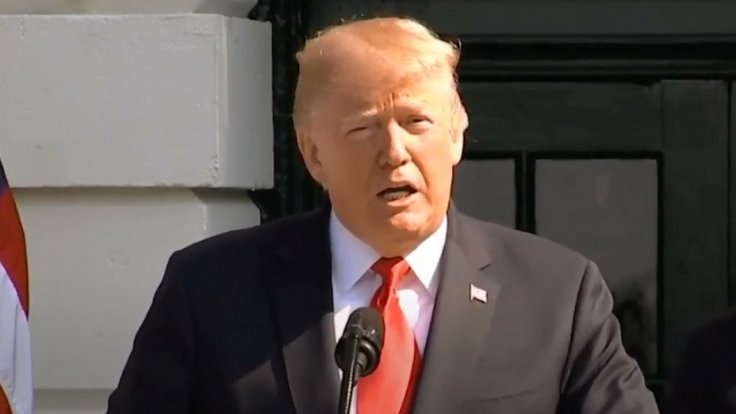
Ahead of the numbers coming out, former President Donald Trump took to online messaging to slam the financial impact of the government closure, claiming it shaved off no less than two full points from national output. Despite being out of office, he again pushed for reduced borrowing costs while pointing blame at Jerome Powell, head of the central bank, for ongoing policy choices.
One way to look at it: sluggish expansion paired with unchanged price pressures might define where the central bank heads next. Even though the impact from the government closure should weaken over time, a sustained 3% rise in underlying costs could still narrow the options available to decision makers.
Early signs point to softer growth at year-end after strong performance earlier, though prices still run ahead of desired levels. Whether output picks up again by early 2026 hinges less on forecasts than on how households manage spending, firms approach capital outlays, and officials shape regulatory moves. Despite recent gains, forward progress now rests within these moving parts.
Recommended FAQs
Why did U.S. GDP slow to 1.4% in the fourth quarter of 2025?
The Commerce Department said the government shutdown, which lasted from Oct. 1 to Nov. 12, likely shaved about 1 percentage point off growth. Slower consumer spending and a decline in exports also contributed to the weaker performance.
How does the 1.4% GDP growth compare to forecasts?
Economists surveyed by Dow Jones had expected a 2.5% annualized increase. The actual 1.4% reading marked a sharp slowdown from the 4.4% pace recorded in the third quarter.
What happened to inflation in December 2025?
Core PCE inflation, the Federal Reserve's preferred gauge, rose 3% from a year earlier, remaining above the Fed's 2% target. On a monthly basis, both headline and core indexes increased 0.4%, signaling persistent price pressures.
How did the government shutdown impact the economy?
Federal spending and investment fell sharply, with overall government outlays down 5.1% for the quarter. The Commerce Department estimated the shutdown alone reduced GDP growth by roughly 1 percentage point.
What does the latest data mean for Federal Reserve interest rates?
With inflation still elevated at 3%, the Fed has signaled a cautious stance despite cutting rates by three-quarters of a point in late 2025. Policymakers are balancing slowing growth against inflation that remains above target.


