- Trump says global tariff will increase to 15%.
- Supreme Court blocked tariffs under International Emergency Economic Powers Act.
- New tariffs issued under Trade Act Section 122.
- Tariffs scheduled to take effect February 24.
Early Sunday, US President Donald Trump declared plans to lift worldwide tariffs to 15%, intensifying economic friction just one day following the U.S. Supreme Court's rejection of wider duties enacted through emergency authority.
In his typical online message posted on Truth Social late Saturday night, he signaled immediate reaction to the judiciary's decision. In his statement, Trump said the increase would replace the 10% worldwide tariff introduced on Friday under a different legal authority.
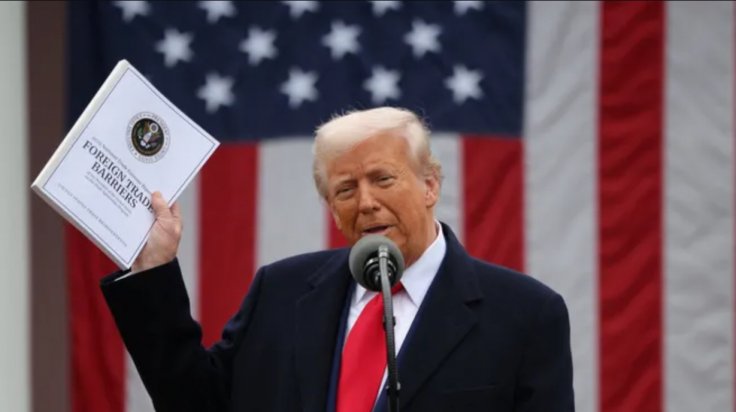
"Please let this statement serve to represent that I, as President of the United States of America, will be, effective immediately, raising the 10% Worldwide Tariff on Countries, many of which have been 'ripping' the U.S. off for decades, without retribution (until I came along!), to the fully allowed, and legally tested, 15% level," he wrote.
Now comes a response to the Supreme Court's narrowing of executive power under IEEPA, which previously enabled broad import taxes. Because of that judgment, new approaches have emerged within legal frameworks permitting short-term tariff hikes.
Supreme Court Decision Changes Legal Landscape
A decision by the Supreme Court stated IEEPA does not grant sweeping power for worldwide tariff measures. This statute previously supported multiple trade moves. Even so, levies tied to different legal grounds remain unaffected, steel, aluminum, and auto duties continue unchanged.
Friday brought a presidential proclamation signed by Trump, activating Section 122 of the 1974 Trade Act.
When balance of payments problem is judged large and seriously, this rule gives authority to apply tariffs as high as 15 percent, for up to 150 days. Set for February 24, the first measure targeted a 10-percent duty. Now, his renewed plans point toward an increase to 15 percent, but timing for the new directive remains uncertain.
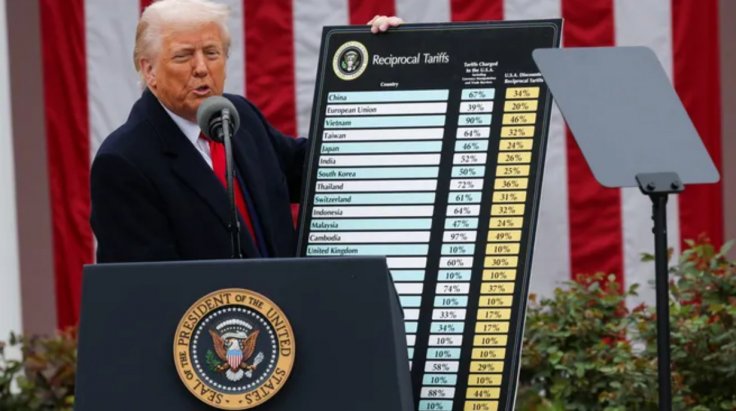
"Based on a thorough, detailed, and complete review of the ridiculous, poorly written, and extraordinarily anti-American decision on Tariffs issued yesterday," Trump wrote, referring to the Supreme Court's judgment. He added that the administration would "determine and issue the new and legally permissible Tariffs, which will continue our extraordinary successful process of Making America Great Again."
Though rare, extensions of Section 122 proceedings past 150 days may trigger closer court review again. Legal experts say that these measures typically expire without renewal unless new legislative passage occurs, which is unlikely in the US Congress owing to stiff opposition from Senators and Representatives across party lines.
Economic Impact and Market Reaction
Friday saw Wall Street dip slightly as fresh trade tensions resurfaced. The Dow Jones dropped 0.6%, according to Reuters, with the S&P 500 edging down 0.4% afterward. Falling by 0.3%, the Nasdaq followed a similar pattern, weighed by worries about delayed shipments and pricier materials. Just one day earlier, the S&P had climbed 0.2%, small but positive, until official tariff plans reset the mood entirely.
Early Wednesday, the U.S. dollar climbed 0.5% when measured against several leading global currencies, according to data cited by Reuters. At the same time, returns on government debt edged upward, the standard 10-year note reaching 4.18%, up from Tuesday's 4.11%. Not every market moved in sync: commodities split in direction, though gold managed a 0.8% rise fueled partly by investors seeking stability.
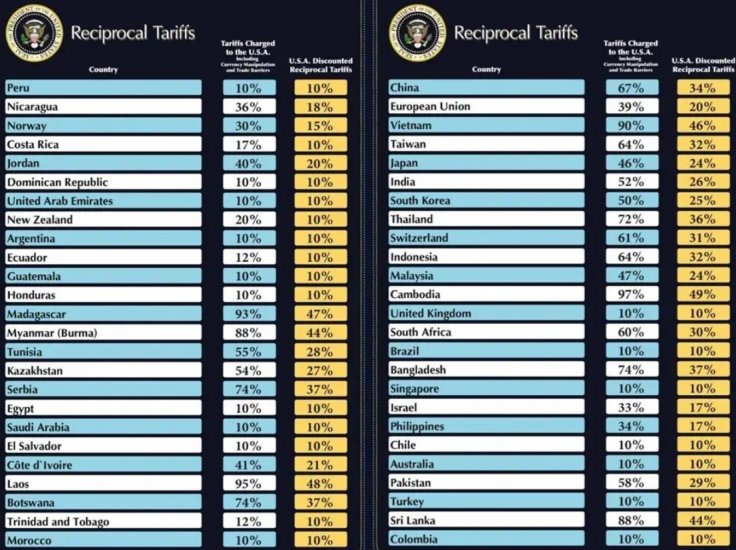
One calculation from the Yale Budget Lab suggests households might lose $1,315 yearly if tariffs stay high past 150 days. This figure links a 15% import tax with the court decision's outcome. Their number depends entirely on whether companies shift every added expense onto buyers. If prices absorb the full burden, families would feel it directly.
Such an impact rests on economic conditions holding steady. The lab emphasizes uncertainty in how firms react over time. Depending on how broadly the new rules apply and whether other countries respond, effects on trade may differ. Should these duties last long, companies managing cross-border operations might see added expenses tied to supply adjustments and rule adherence.
Political and Judicial Fallout
Beyond its effect on markets, tension grew between the executive branch and legal institutions. The president voiced disapproval toward specific Supreme Court figures who opposed his previous trade measures, individuals he had selected himself. Following the decision, one observer noted his remarks about two particular judges stood out. Their actions, in his view, brought shame not just to their roles but also to relatives connected by blood.
Names mentioned included Gorsuch and Barrett, once praised yet now questioned. What was seen as loyalty shifted under judicial pressure. Reactions spread quickly through political circles afterward. Still posting online, he kept attacking, this time focusing on Chief Justice John Roberts.
Meanwhile, support emerged for Brett Kavanaugh, whose opposing view drew praise; Trump referred to him as his "new hero." Clarence Thomas and Samuel Alito earned approval too, their stance highlighted in a message stating: "No one questions, they aim to MAKE AMERICA GREAT AGAIN!"
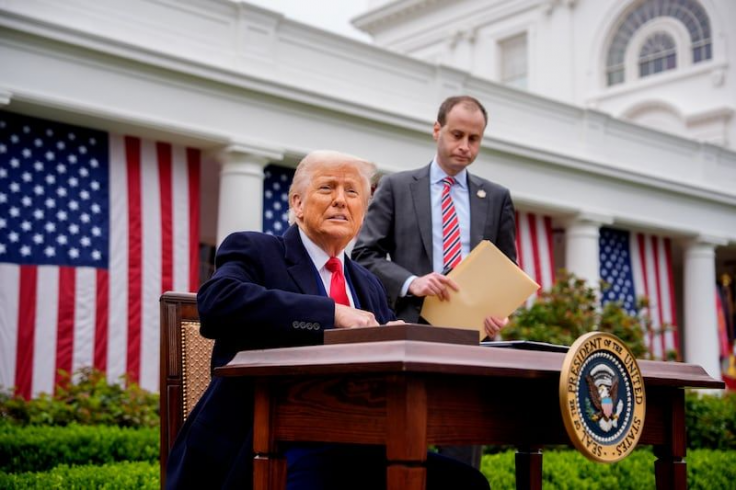
Now comes the part where officials point toward new tariffs using different parts of trade legislation, ones calling for probes by the Commerce Department. Before any fees take effect, these reviews usually look into claims about threats to defense interests or distorted market behavior.
Temporary powers under Section 122 last only until laws say otherwise. Should the current team want duties longer than 150 days, Congress might have to sign off, or another legal path could apply. Past leaders leaned on both emergency declarations and inquiry-based claims to back import controls.
A shift is underway, not an exit, but a realignment. Within days, enforcement begins, prompting firms and overseas officials to brace for disruptions in logistics and international relations. What happens next hinges on court reactions plus decisions by allies facing steeper costs. Weeks ahead may clarify if the approach holds up under pressure or unravels.
FAQs Recommended:
Why is Trump increasing tariffs to 15% after the Supreme Court ruling?
He said the move follows the court's decision blocking his use of the International Emergency Economic Powers Act to impose sweeping tariffs. He is now invoking Section 122 of the Trade Act of 1974, which allows duties of up to 15% for 150 days.
When will the new 15% tariffs take effect?
The previously announced 10% tariffs are scheduled to begin on February 24. It was not immediately clear when an updated order raising the rate to 15% would be formally signed.
What law is Trump using to impose new tariffs?
The administration is relying on Section 122 of the Trade Act of 1974. That provision permits the president to impose tariffs of up to 15% for 150 days to address serious balance-of-payments concerns.
How much could the 15% tariff cost American households?
The Yale Budget Lab estimates the combined effect of the court ruling and a 15% tariff could cost the average U.S. household about $1,315 per year. The estimate assumes the tariff extends beyond the 150-day period.
Did the Supreme Court block all of Trump's tariffs?
No, the ruling only limited tariffs imposed under the International Emergency Economic Powers Act. Tariffs on steel, aluminum and auto imports issued under other legal authorities were not affected.


