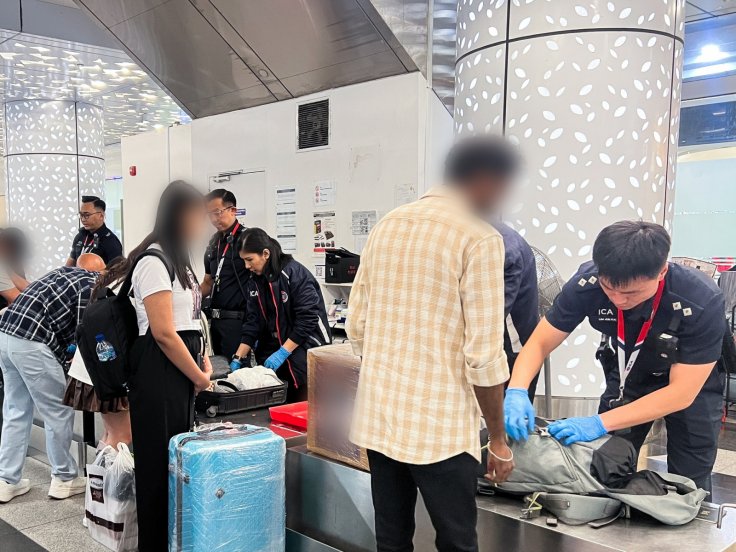
- Suspension follows partial shutdown over immigration funding impasse.
- Airlines say travelers received limited advance notice.
- Programs serve over 40 million vetted passengers.
With only short warning, flyers learned key fast-track security options would pause temporarily. A halt in parts of the Department of Homeland Security's work has rippled through airports across the country. Leading American carriers pointed out passengers weren't fully prepared. These changes arrived quietly amid broader operational disruptions.
Starting Sunday at 6 a.m. ET (1100 GMT), delays will hit TSA PreCheck and Global Entry. Because Congress could not agree on changes to immigration enforcement, large sections of the agency lost financial support, this halt took effect days earlier. While some areas of DHS remain active, others now operate without approved budgets due to the unresolved debate.
Millions of people signed up could face delays, reports Reuters, after changes to fast-track security and border checks. Running these systems falls to the Transportation Security Administration alongside U.S. Customs and Border Protection - agencies under the Department of Homeland Security umbrella.
A sudden alert, according to Airlines for America - an industry coalition of major airlines - threw operations into disarray while leaving travelers confused amid peak travel demand.
Industry Wary of Last Minute Changes
"Airlines for America is deeply concerned that ... the traveling public will be, once again, used as a political football amid another government shutdown," Chief Executive Chris Sununu said. He added that news of the suspensions came at "extremely short notice to travelers, giving them little time to plan accordingly," and urged Congress to "get a deal done."
A comparable closure during the previous autumn led to economic damage totaling 6.1 billion dollars within tourism-linked fields, stated Sununu. Should delays continue, checkpoint congestion could return, a concern highlighted by carriers, per reporting from Reuters.
By 2024, PreCheck's active user count stood above 20 million, according to TSA figures. Over 40 million individuals altogether held approved status across DHS travel initiatives, such as Global Entry. These systems aim to speed up security checks at airports and crossings for travelers previously assessed as posing minimal risk.
Eligible travelers moving through PreCheck often skip removing footwear, belts, or thin outer layers thanks to separate screening lines. Arriving internationally, those enrolled in Global Entry breeze past standard customs checks at American air terminals.
A temporary hold on operations ties into wider crisis measures by DHS, shifting personnel where needed most amid budget shortfalls. While money runs low, team assignments adjust under new priorities set during the gap in financing.
DHS Adjusts Operations Amid Changing Conditions
Homeland Security Secretary Kristi Noem said the department is prioritizing core security functions. "TSA and Customs and Border Protection are prioritizing the general traveling population at our airports and ports of entry and suspending courtesy and special privilege escorts," she said in a statement to Reuters. "We are making tough but necessary workforce and resource decisions to mitigate the damage."
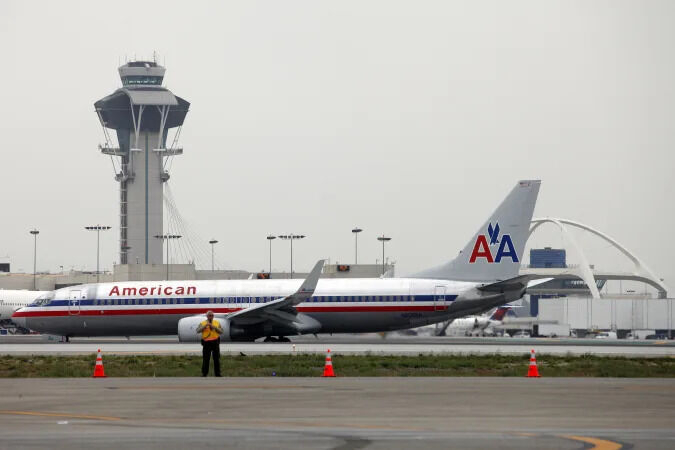
A week has passed since lawmakers missed passing fresh funding rules, yet Reuters notes staff are now shifting from fast-track initiatives toward regular checks at entry points instead.
Federal operations face ripple effects far outside air travel. Last week, according to Reuters, officials directed a division within Homeland Security - the Federal Emergency Management Agency - to halt sending some relief staff into crisis zones, following the expiration of financial support.
Fridays brought uneven movement among top American airline stocks, per Reuters, even as financial markets overall responded quietly to travel-linked disturbances. Down 0.3%, the NYSE Arca Airline Index dipped following a 0.5% gain earlier. Though slight, broader market indicators mirrored this calm; the S&P 500 edged lower by 0.2%. The index had ended the day before without change, data confirmed.
Though halted indefinitely, PreCheck and Global Entry had helped ease bottlenecks during busy periods. Hubs managing large numbers of overseas travelers may now face longer lines. Delays might grow especially noticeable where flights cross time zones frequently. Streamlined processing once kept pace with surging demand - this shift removes that advantage.
Still stuck, the standoff over money continues between Republicans and Democrats, without any clear date set for bringing back full DHS functions. Approval lacking, travel screenings stay on hold - only regular checks now apply to everyone passing through. Operations wait, funds unapproved, movement slowed by default.
FAQs
Why are TSA PreCheck and Global Entry being suspended?
The programs are being paused due to a partial shutdown of the Department of Homeland Security after Congress failed to reach a funding deal. DHS said it is redirecting staff and resources to prioritize general airport operations.
When will the PreCheck and Global Entry suspension begin?
The temporary halt starts at 6 a.m. ET on Sunday. Officials did not specify how long the pause will last, as it depends on resolving the DHS funding impasse.
How will the shutdown affect airport security lines?
With PreCheck lanes suspended, approved travelers may have to use standard security lines, potentially increasing wait times. Airlines warned that travelers received little notice to adjust plans.
How many travelers use PreCheck and Global Entry?
TSA reported more than 20 million active PreCheck members in 2024, while total vetted travelers across DHS programs, including Global Entry, exceeded 40 million. The suspension affects a large share of frequent flyers.


