
- Study finds sildenafil may improve symptoms of rare Leigh syndrome.
- Trial involving six patients shows improvements in strength and mobility.
- One child's walking distance increased tenfold during treatment.
- Larger European clinical trial planned for 60-70 patients in 2026.
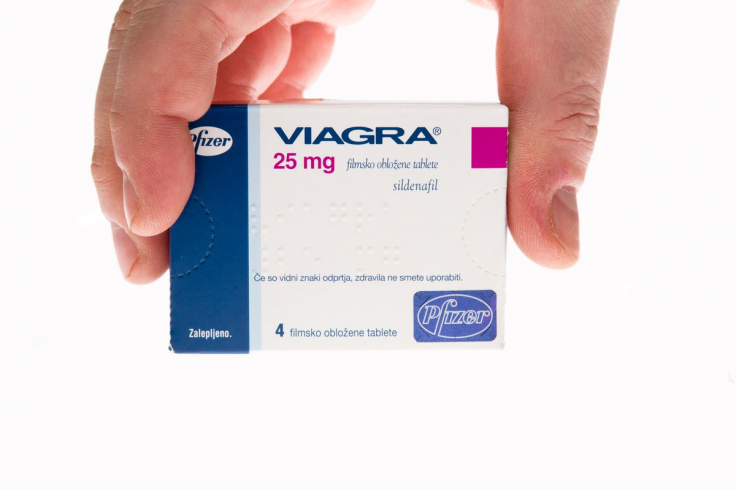
The first chance of a cure, perhaps the very first chance of a cure for the Leigh syndrome, a rare tragic genetic brain and muscle disorder which usually kills children before their third birthday, is offered by Sildenafil, the active ingredient of Viagra that is reported to treat the Leigh syndrome by a new study published as the journal Cell by researchers at Charite Universitatsmedizin Berlin.
The genetic mutations that cause the disease make the mitochondria, the energy-producing structures in the cell, not to function properly and this is the cause of the disease, which is affected by genetic mutations, that occur in roughly every 40,000 births.
This over time enlivens the brain and muscles, which adjust to it and causes a sequence of effects such as the epileptic seizures, the muscles become weak, then paralyzes and retarded mental growth. It is also lacking any accepted therapy to reduce or prevent the progression of the disease.
Lab Cells to Patients: A Trial of 6 people
Studies originally investigated sildenafil in cell cultures prepared using cells of patients with Leigh syndrome and discovered that the medication turned genes that appear during brain formation and remedied undesirable molecular alterations observed in patients with the condition.
It was found to also work in miniature three-dimensional brain models, where sildenafil stimulated growth of nerve cells and subsequently in mice and pigs with Leigh syndrome mutations, where the drug enhanced energy metabolism and longevity.
Following those outcomes, the group had administered sildenafil to six Leigh syndrome patients as an individual therapeutic trial. The patients entered into treatment at the age between nine months up to 38 years.
Sildenafil has a history of use in children with pulmonary arterial hypertension - a rare disorder that leads to high blood pressure in the arteries of the lungs, which means that its safety history among children was not new once the trial began, which enhanced the regulatory barriers to the trial.
Findings: Tenfold Increase of Walking Distance of One Child
In a few months after the treatment was started, the six patients displayed some positive changes in muscle strength and movement. They also bounced back faster after metabolic crises - life threatening conditions when the body is unable to metabolize food effectively resulting into the toxic accumulation of chemicals in the blood.
One patient ceased the seizures. There were two others who had minor positive responses on cognitive ability. The best outcome was observed on a child whose walking distance had been expanded ten times.
One patient was taking the drug because he experienced a rash. The researchers present sildenafil as fairly tolerable within the cohort.
Next Steps: 60 Patient European Trial
The research team has been planning to conduct a larger clinical trial that it will roll out later in 2026 and hopes to recruit between 60 and 70 patients in different European countries and study sildenafil against a placebo in a controlled study.
Prigione encouraged families not to use the medication on their own prior to the trial demonstrating the final outcomes, even though he expressed readiness to cooperate. He said to the Science magazine that they are glad to cooperate should a patient or a physician wish to use it.
Schuelke hit the chord of hope with great care: "Although we still need to verify the affirmation of these preliminary findings in a larger study, we are overjoyed to have discovered a good drug candidate in treating this dreadful hereditary illness.
Also Read: University Of Arizona Develops Campus-Wide AI Strategy Focused On Ethics
It was an analysis which was done together with researchers at Heinrich Heine University Dusseldorf, University Hospital Dusseldorf and Fraunhofer Institute of Translational Medicine and Pharmacology at Hamburg.
Sildenafil is an orphan drug approved to treat Leigh syndrome, which is a regulatory designation that offers incentives to develop medicines against rarely occurring conditions, with limited populations of patients.


