- Trump allows oil shipments to Cuba as Russian tanker approaches
- Policy reversal follows months of halted fuel supplies to Cuba
- Move linked to global energy disruptions from Iran conflict
- Decision reflects balance between sanctions enforcement and supply pressures
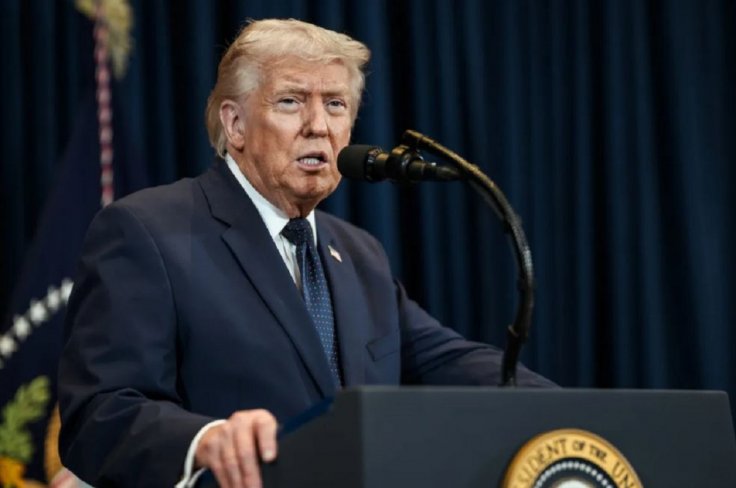
President Donald Trump said on March 29 that he would allow oil shipments to Cuba, reversing a de facto blockade as a Russian tanker approached the island. The shift comes amid global energy disruptions linked to the Iran war and follows months of halted fuel imports to Cuba. The decision highlights how geopolitical pressures are reshaping U.S. sanctions enforcement.
The vessel, part of Russia's so-called shadow fleet, was positioned off Cuba's eastern coast and expected to dock with hundreds of thousands of barrels of oil, offering a short-term lifeline to the country's strained energy system.
"If a country wants to send some oil into Cuba right now, I have no problem with that," Trump said, adding that humanitarian needs outweighed the political impact on Havana's leadership.
Policy Shift Comes After Months Of Energy Isolation
The decision marks a departure from earlier U.S. actions that effectively cut off Cuba's oil supply.
Washington had halted Venezuelan crude shipments to Cuba after the removal of Venezuelan leader Nicolás Maduro in January and warned other countries against supplying the island with oil.
Mexico, one of Cuba's key suppliers, subsequently suspended shipments, leaving the country without tanker deliveries for three months, according to Cuban officials.
President Miguel Díaz-Canel said the supply disruption had triggered widespread fuel shortages, forcing strict rationing and contributing to recurring power outages across the country.
The energy crisis has affected essential services, with Cuban health authorities warning of increased risks for vulnerable patients amid electricity shortages.
Iran War And Oil Supply Pressures Drive Recalibration
The policy shift comes against the backdrop of a broader global energy shock linked to the U.S.-Israel conflict with Iran, which has disrupted oil flows and tightened supply chains.
Earlier in March, the United States eased certain sanctions on Russian oil to stabilize global markets, though restrictions on shipments to Cuba had remained in place until now.

Allowing the tanker to proceed reflects a recalibration driven by market pressures and geopolitical risk, as policymakers balance sanctions enforcement with the need to maintain energy flows.
Blocking the vessel could have raised the risk of confrontation with Russia at a time of heightened global tensions, according to officials familiar with the situation.
Russian Shipment Highlights Strategic Alignment
The tanker, identified as the Anatoly Kolodkin, departed from Russia's Primorsk port carrying an estimated 650,000 to 730,000 barrels of crude.
Analysts said the shipment could supply Cuba for several weeks, with rationing potentially extending its impact to about a month.
Brett Erickson of Obsidian Risk Advisors said the delivery underscores Moscow's role in supporting allied states amid shifting global alliances.
Russia, he said, has benefited economically from the Iran conflict while strengthening ties with countries facing Western sanctions.
Cuban state media described the shipment as a challenge to U.S. pressure, highlighting the geopolitical significance of the delivery.
Humanitarian Framing And Political Messaging
Trump framed the decision as a response to humanitarian needs, emphasizing the impact of energy shortages on ordinary Cubans.
"I'd prefer letting it in, whether it's Russia or anybody else, because the people need heat and cooling," he said.
At the same time, he reiterated criticism of Cuba's government, predicting its eventual collapse regardless of external support.
The administration has indicated it may revisit Cuba policy after addressing priorities related to the Iran conflict, suggesting further shifts could follow.
The decision highlights the complexity of sanctions policy during periods of global instability.
Efforts to isolate adversaries can collide with broader economic realities, particularly when energy markets are under stress.
In allowing the Russian tanker to proceed, the United States appears to be balancing geopolitical pressure with immediate humanitarian and market considerations, even as tensions with both Iran and Russia continue to shape the global landscape.


