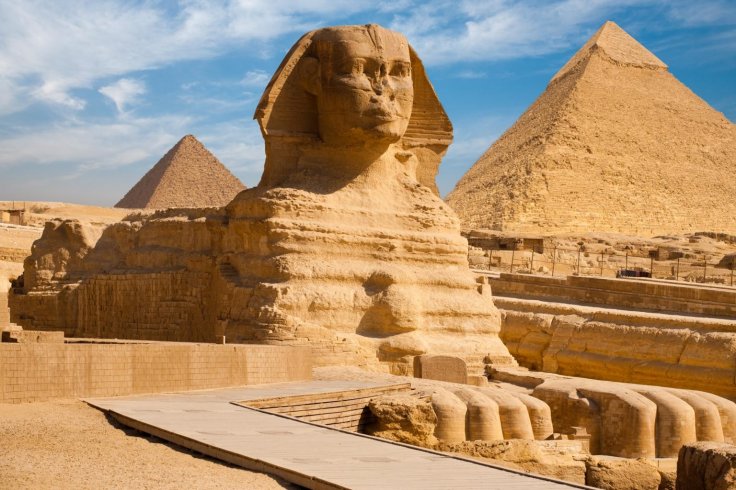
- Researchers detect subsurface anomalies near Great Sphinx using radar scanning
- Team suggests possible artificial underground structure at the Giza site
- Egyptian authorities have not confirmed the existence of a second Sphinx
- Experts caution anomalies may reflect natural formations, not man-made structures
An archaeological team has asserted to have spotted what they believe to be a possible underground edifice beneath the Pyramids of Giza, giving a nod to a second Sphinx. According to an underground scanning method applied to examine the surrounding environment of the iconic Great Sphinx of Giza, this assertion was reported in March 2026.
With a rough date of circa 2500 BC and being made of limestone, the Great Sphinx is one of the most common examples of an ancient Egyptian monument. The second (undiscovered) counterpart was speculated to actually exist and has been of interest but also doubted by the archeological community.
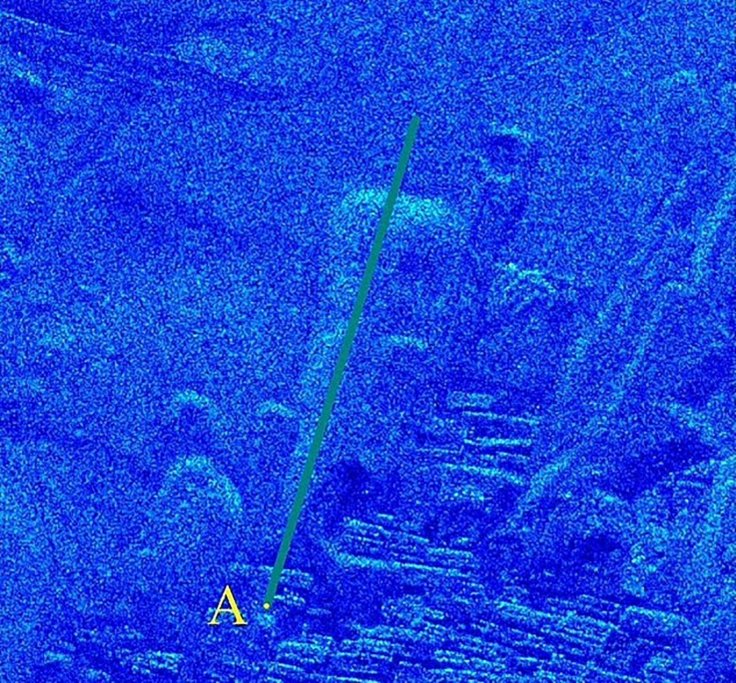
Scientists working on the project noted that imaging surveys detected some form of anomalies just below the surface, which were massive and organizationally complex. According to them, the results should be further inquired into either by excavation or by additional scanning.
The Sphinx has a second theory that is fueled by subsurface imaging
To map the features in the underground without excavation, the team used remote sensing technologies like ground-penetrating radar and other geophysical tools. These are some of the techniques that are normally employed in archaeology to identify structures or hollows buried.
The researchers state that the evidence for this is that there was an indication of some sort of formation that did not resemble the natural rock patterns. Though inconclusive, they suggest that the anomaly may be an artificial building oriented in connection with the general plan of the Giza complex.
The concept of a second Sphinx is not that new. There are some hypotheses and speculative explanations by certain historical hypotheses that ancient Egyptian architects might have made their monuments symmetrical throughout the plateau. Nevertheless, no evidence that could substantiate these claims has received universal opinion as yet.
Egyptian Governments and scholars ask people to be careful
None of the officials of Egypt and other trained archeologists have verified the existence of any other sphinx-like structure. The government agency that has expressed itself to confirm the findings, the Egyptian Ministry of Tourism and Antiquities, has not made a statement.
Scientists warn that underground aberrations do not necessarily mean built monuments. Radar data may give similar readings on geological variations, erosion patterns, and natural voids.
According to one of the archaeologists who undertook research in Giza, underground features are numerous and may seem artificial but are wholly natural, which requires strict verification before the development of conclusions.
Scholars also mention that any excavation that takes place at Giza would have required large approvals and planning, considering that the site has historical importance besides the preservation considerations.
Discovery vs. speculation tension is mentioned in the debate
The theory has generated a lot of publicity, and this has been occasioned by the mystery that has lingered over ancient Egypt and its monuments. The theory has been escalated by online debates, with the debate either proving the existence of an underlying format or not.
A highly engaged Reddit user wrote in a discussion about this topic that the internet is engaging in a new hidden chamber/lost building claim at Giza about every couple of years and that most of them do not turn out to be true.
The response is a wider trend in archaeology, in which ideas formed prematurely have the ability to draw attention until they are fully vindicated by scientific means. Although excavation and examination by peers are supposed to constitute several lines of evidence, researchers usually demand them to validate major discoveries.
Crime Location: The Giza Plateau, which also hosts the Great Pyramid of Khufu, the Pyramid of Khafre, and the Pyramid of Menkaure, is a widely researched location over decades. No major discoveries of new monuments are confirmed, while new technologies are constantly displaying previously unknown aspects.
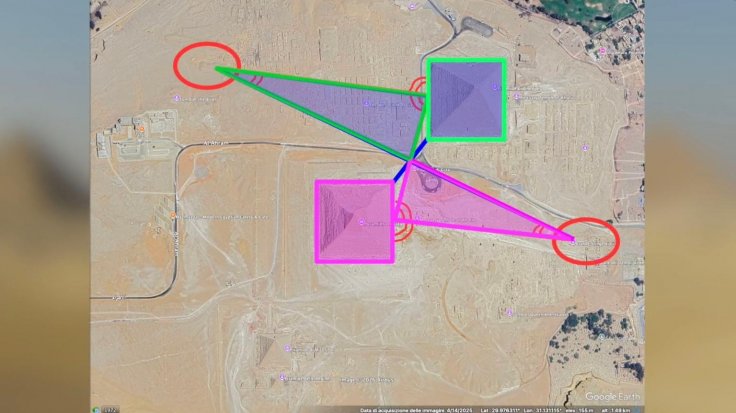
The fact that research has been done continuously keeps Giza at the center of the world
Imaging and scan technologies have also facilitated the proliferation of the equipment being used by the archaeologists, as they can conduct research of the ancient location without having to dig holes in it. Such techniques have contributed to confirmed findings over the recent years, such as concealed cavities in pyramids.
The most recent statement highlights the possible and existing drawbacks of such technologies. Although they can determine anomalies, results of the same need analysis and support.
At this point, the fact of a second Sphinx is yet to be confirmed. The argument that has been debated portrays the perennial appeal of ancient Egypt and the problems with separating the conjecture and the verified finding.
Also Read: Northern Lights Reach Unusual Latitudes After G3 Solar Storm Lights Skies


