
Millions of older Americans visit a hospital every year to have surgery, an infection or a fall and leave with something that no one intended to purchase. Their families observe that they appear lost, aloof, unlike them. A physician can enter in the chart "dementia." It is often the right word delirium.
Dementia and delirium are not similar conditions; unlike delirium, which is a rapid-onset neurological disorder characterized by acute confusion, disorientation, and changing consciousness. It is frequently reversible. But it is among the most misdiagnosed conditions in American hospitals, as it is reported by Mirage News, and the effects of misdiagnosis extend much further than the bedside.
In the United States, there are over 7 million hospitalized adults with delirium annually. Clinicians who understand that acute confusion is a lasting cognitive impairment may push patients into the dementia care systems, prescribe them unneeded medications, and send them to memory-care homes, where they do not belong.
How a Hospital Stay Can Trigger Lasting Dementia Risk
An independent body of research established the same connection as one that occurred even in patients who did not have cognitive impairment prior to admission.
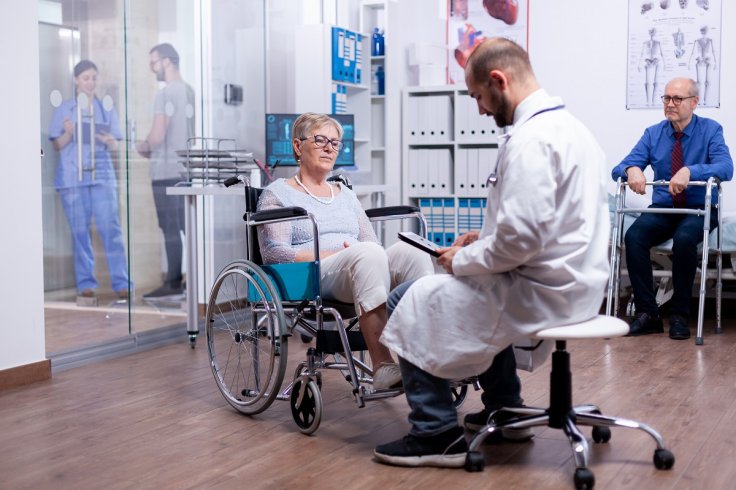
Disturbed sleep patterns, tranquilizing drugs, physical restraints, and lack of familiar individuals and routine are all identified causes of delirium in elderly patients. The hospital-based severe infections are also found to be independent risk factors. Studies have established an increase in dementia risk in people treated in hospitals with severe infections between five and six years prior to diagnosis. In another study reported in the Neuroscience News, researchers determined 29 diseases to be strong predictors of high risk of dementia.
The stakes are increasing annually across the world. The cases of dementia are estimated to almost triple by 2050. In the event that delirium episodes in hospital are actually increasing, that trend in a preventable sub-population of patients, the population health consequences are far more than the misdiagnosis of a single patient.
The $164 Billion Problem That 40 Percent Prevention Could Solve
Delirium is not a rounding error in the financial burden of the U.S. hospitals. According to estimates given by the Marcus Institute of Aging Research, a geriatric research center of the Hebrew SeniorLife, which is a health care organization that is affiliated with the Harvard Medical School, the costs of delirium on the American healthcare system amount to over 164 billion annually. The institute also observes that approximately 40 percent of such cases can be avoided using the available interventions.
On the per-patient level, a single episode of delirium will impose an estimated $8,110 in hospital costs and $1,631 in additional Medicare payments, making the point supported by a single study indexed in PubMed, the research database of the National Library of Medicine. Such accusations fall on a hospital industry that is already in dire financial need.
According to a report by the American Hospital Association (AHA) in March 2026, hospital costs were up by 7.5 percent in 2025, with 60 percent of expenditure attributed to staffing since the hospitals were treating more complex patients.
The preventive programs which may decrease those expenditures are present and tested. The Hospital Elder Life Program (HELP) is a multicomponent interdisciplinary structured intervention, initially tested in Harvard-affiliated hospitals, and subsequently tested by the nonprofit health policy organization, the Commonwealth Fund, which found a 40 percent decrease in the incidence of delirium in their own trials.
More recent studies published in PMC established that revised versions of HELP decreased delirium rates by 53 percent and patient falls by 42 percent. Technology-based interventions also have potential: a delirium management system that was developed using IT with patients of dementia decreased delirium rates, from 34 percent to 18 percent in a separate study by PMC.
The interplay between the possibility in clinical practice and what actually occurs in American hospitals is a theme that is repeated in geriatric medicine. The programs such as HELP and similar initiatives demand trained volunteers, regular screening procedures and organizational dedication that most understaffed establishments can hardly manage.
What Prevention Looks Like and Who Is Moving on It
The closest answer to the misdiagnosis and prevention gap is now being tested outside of the United States. In March 2026, the Australian capital territory public health authority Canberra Health Services announced a national trial of a carer toolkit meant to prevent delirium by actively engaging family members in monitoring and orienting their patients during hospital stays. The model appreciates the fact that the most effective buffers to delirium onset in old age patients are the familiar faces, normal conversation and environmental cues, which no medication offers.
The United States does not have any similar federal program that is underway, but there are HELP-based programs in operation in a few academic medical facilities. Delirium-specific prevention is yet to be identified as an operational or financial priority in recent federal health policy announcements, as the AHA has listed the increased complexity of the hospitalized population of patients as a financial and operational issue.
The future clinical journey of the over 7 million Americans who will develop hospital delirium within this year will largely be determined by whether their team is able to identify a reversible acute event or a lasting cognitive disorder. This is not a technicality of diagnosis to get that distinction right. It dictates whether or not a patient will be back on their feet or spend years in a supportive environment, which they never intended to find themselves in.


