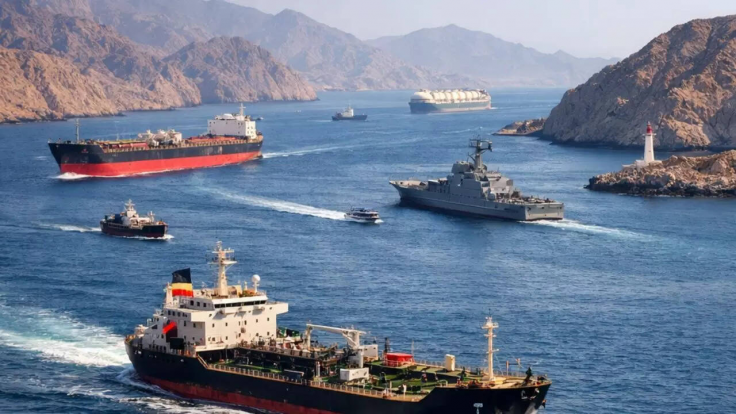
For more than a month, the Strait of Hormuz has been all but closed to ships linked to Western nations. On Thursday, one vessel found a way through.
The CMA CGM Kribi, a container ship registered in Malta and owned by CMA CGM, the French maritime transport group headquartered in Marseille, sailed from waters off Dubai and exited the strait by threading a narrow channel between the Iranian islands of Qeshm and Larak. By Friday morning it was broadcasting its position off Muscat, Oman.
The ship appears to be the first known transit by a vessel linked to Western Europe since the Iran war effectively shuttered the vital waterway. It openly broadcast the message "owner France" on its transponder throughout the crossing, a detail that distinguishes it from vessels that have attempted quieter passages.
How Iran Is Controlling Hormuz Traffic
The Strait of Hormuz has experienced an effective halt in shipping traffic since February 28, 2026, following joint military strikes by the United States and Israel on Iran, which included the killing of Iran's Supreme Leader Ali Khamenei. Iran's Islamic Revolutionary Guard Corps issued warnings prohibiting vessel passage through the strait.
On March 27, the IRGC announced that the strait was closed to any vessel going to and from the ports of the United States, Israel, and their allies.
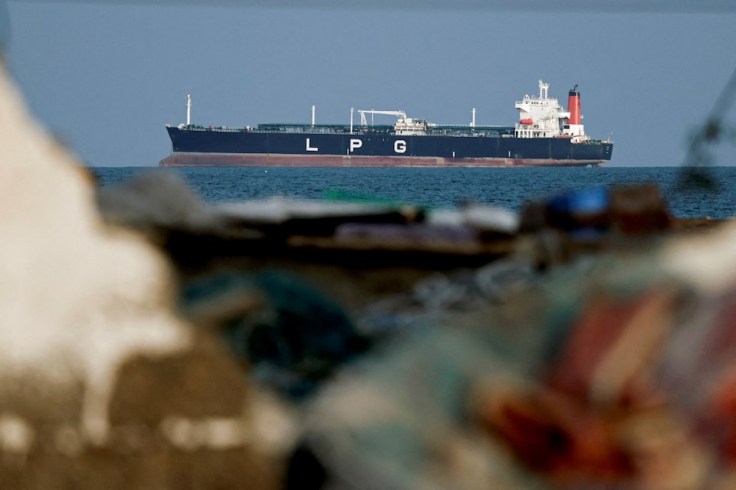
A system has since emerged. Iran is pre-approving transit for select vessels along a route that stays close to its coastline, effectively granting passage to nations it does not consider adversaries. Beijing expressed gratitude after three of its ships passed through the strait, including two container ships belonging to state-owned shipping giant Cosco. Pakistan secured a deal for 20 ships to cross under its flag. India arranged passage for two liquefied petroleum gas tankers bound for ports in western India, with Rajesh Kumar Sinha, special secretary of India's Ministry of Ports, Shipping and Waterways, confirming at a news briefing that they crossed safely and were en route to India.
The CMA CGM Kribi's crossing suggests France may be negotiating a similar arrangement, though no formal deal has been publicly confirmed.
Macron's Diplomatic Opening
French President Emmanuel Macron, speaking during a visit to South Korea, addressed the crisis directly. He said France will work to stabilise the situation in Hormuz once the bombardments have ceased.
France holds a permanent seat on the United Nations Security Council and has veto power over resolutions. Russia, China, and France expressed opposition to a draft resolution brought by Bahrain that would have authorised countries to use all necessary means to secure the strait. The vote was postponed, with the United Nations citing a public holiday.
Iranian Foreign Minister Abbas Araghchi issued a warning ahead of the vote, saying any provocative action by the aggressors and their supporters, including in the Security Council, would only complicate the situation.
Scale Of The Disruption
The closure has been described as the largest disruption to the energy supply since the 1970s energy crisis. Brent crude oil prices crossed $100 per barrel on March 8 for the first time in four years, rising to $126 per barrel at their peak. The disruption affects about 20 percent of the world's daily oil supply and significant volumes of liquefied natural gas.
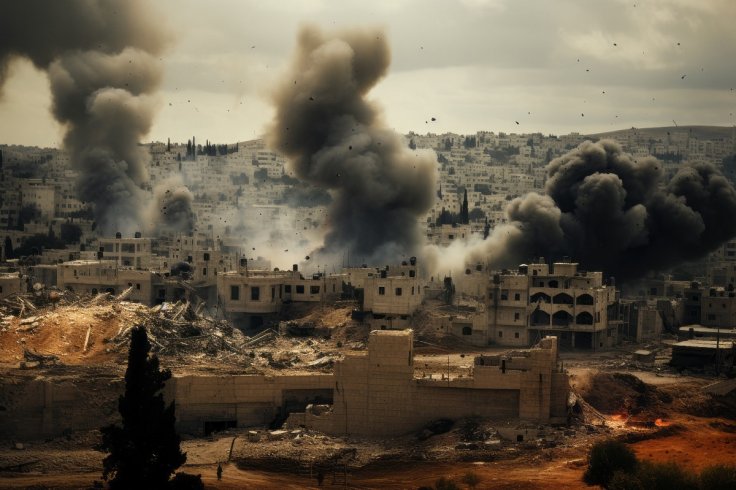
The humanitarian toll of the broader conflict continues to rise. More than 1,900 people have been killed in Iran during the war, while 19 have been reported dead in Israel, more than two dozen in Gulf states and the occupied West Bank, and 13 U.S. service members have been killed.
Iran struck a power and water desalination plant in Kuwait, with authorities confirming damage and emergency operations underway.
Iran's nationwide internet blackout entered its 35th consecutive day, with connectivity at roughly 1 percent of normal levels after more than 800 hours, leaving the public largely cut off from outside communication.
The CMA CGM Kribi had been listed among vessels trapped inside the Persian Gulf in early March, unable to complete its rotation to its next scheduled port of call in Pointe Noire in the Republic of the Congo. Its exit marks the end of a five-week delay and the first confirmed passage of a major European carrier through the waterway since the war began.
(With inputs from agencies)


