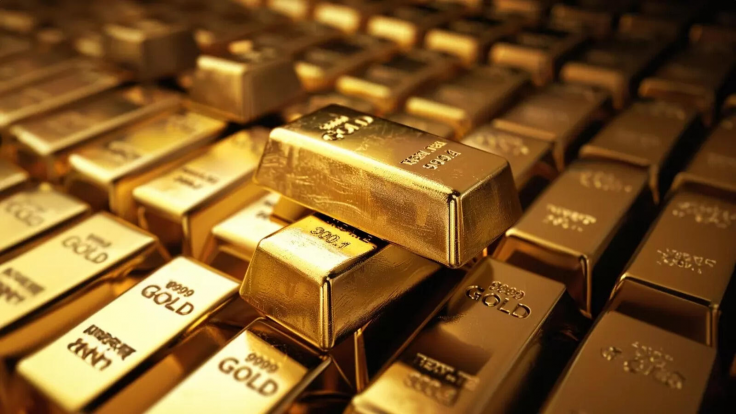
- Gold rose 0.4% to $5,156.11 amid Middle East tensions.
- Prices remain below January record of $5,594.82.
- Strong U.S. dollar and rate outlook limited gains.
- Investors await Federal Reserve signals and U.S. economic data.
Spot gold was gained 0.4 to hit a high of $5,156.11, which is still way below January record of 5,594.82 as the precious metal loses some of its safe-haven value due to dollar and rate fears.
Gold prices soared on Thursday, boosted by the solid safe-haven demand as an intensifying conflict in the Middle East continued, though a stronger dollar and increased doubts about the future Federal Reserve outlook kept the metal way under the record highs earlier hit in the year.
Spot gold increased by 0.4% to 5156.11 per ounce and US gold futures as April delivery increased by 0.7% to 5168.20. Gold, which recorded an all-time high of $5,594.82 earlier in January, first leapfrog past $5,400 in Monday trading when the US-Israel air assault on Iran triggered a widespread safe-havens buying burst only to be obviated when the dollar also caught the bug of a flight-to-safety run.
Thursday morning, Israel responded by another massive wave of attacks on Tehran which it claimed was part of the infrastructure of the Iranian government following Iranian missiles that have put millions of Israelis into bomb shelters earlier in the week.
Strong Dollar and Rate Lieutenant: What's Hitching the Rise of Gold?
There has been a crosscurrent curbing the upward movement of gold by the tension between the safe-haven interest in the conflict and its inflationary connotation. On the one hand, increased safe-haven demand on gold can be provided by the fact that there is a current conflict in the Middle East, according to Hamad Hussain, who is a climatic and commodities economist of Capital Economics.
Also Read: Iran War Breaks UN Charter, Strike on School 'Shocking', UN Probe Says
Alternatively, a threat of a more lasting run of elevated energy expenses which frustrates rate reductions off the table, and contributes to the possibility of rate advancements, might be closing more benefit to the table. The US dollar increased by approximately 0.2 percent after briefly losing momentum on three-month highs as the aftermath of the war shook the world markets and continued to have a shaky investor mood.
The energy supply remained an issue that increased oil prices and raised fears of a fresh wave of inflation. Gold is viewed as a hedge to inflation in the long run although it will tend to fare better in low interest rates where it remains a non yielding commodity competing with bonds as an investment instrument.
Kevin Warsh Nominated, Beige Book released: Fed Uncertainty Intensifies
On the monetary policy front, President Donald Trump on Wednesday named former Federal Reserve Governor Kevin Warsh to be the new chairperson of the US central bank officially, which further threw more confusion on the outlook of the rates as markets evaluated the potential outlook of Warsh on his easing.
The economic activity in United States expanded a bit, the prices remained up and the level of employment being normal, the Federal Reserve released on Wednesday in its latest Beige Book report, a report on the conditions in the 12 districts that made up the country. According to the CME Group FedWatch tool, markets anticipate that the Fed will maintain steadiness in rates during its next policy meeting in March 18, and thereby, everything that follows after that is even more obscured by the possible inflationary advances of the Middle East conflict.
Also Read: Protester Removed From Senate Hearing After Clash With Senator, Capitol Police
The weekly unemployment claims figures in the US, which will be released later on Thursday, and the US employment number in February on Friday are awaited by the investors to give additional indicators of the direction the monetary policy may follow this year. Spot silver in other metals increased by 0.8 percent to $84.10 per ounce, platinum almost 1 percent to $2,168.05 and palladium decreased by 0.9 percent to $1,659.35.


