
- Asian equities rise as oil price pullback eases inflation concerns
- Brent and WTI crude fall after Turkey export agreement
- Investors await Federal Reserve decision for interest rate guidance
- Currency, bond markets steady amid geopolitical and inflation uncertainty
Asian stock markets improved on Wednesday as a correction in oil prices relieved inflation pressures, and investors looked to the policy announcement of the U.S. Federal Reserve to give them advice on interest rates and economic prospects.
Recent gains that were caused by Middle East tensions caused oil prices to retreat. The price of a barrel of brent crude went down by 2.2 percent to reach to 101.09 and U.S. West Texas Intermediate decreased by 3.3 percent to reach 93.05. Reuters reported that the downturn was after an agreement to restart oil sales at Ceyhan in Turkey, which provides a temporary reprieve to world supply despite the continued upheaval in the Strait of Hormuz.
The support to the equities in the region was given by the reduction in energy prices. The widest Asian-Pacific share index of MSCI outside Japan increased by 1.6 percent, compared to the slight fall saw in the last session. The Nikkei of Japan rose by 2.6 percent after close the previous day in the negative but South Korean markets rose by over 4 percent. Chinese blue-chip shares performed poorly, falling 0.5.
Positive returns in U.S. futures markets were also an indication of investor sentiment. Futures markets on S&P 500 and Nasdaq increased 0.4 and 0.5 percent respectively following the close of the day with slightly negative gains in the prior day. Technology shares were supported by the anticipation that there would be good incomes and changes in the semiconductor industry.
Market Sensitivity And Volatility of Oil
The recent volatility in oil markets has been a major issue among investors in the inflation risks. Analysts indicate that the present drop in the price of crude can be momentary considering the unstable geopolitical environment.
Natasha Kaneva, who leads a research group on global commodities at JPMorgan, explained that there seems to be stability in benchmark prices, but it is due to transient rather than structural effects. "If the Strait does not reopen ... eventually higher inventories in the Atlantic basin will be cleared and the global market will have to clear at a supply noticeably lower than previously."
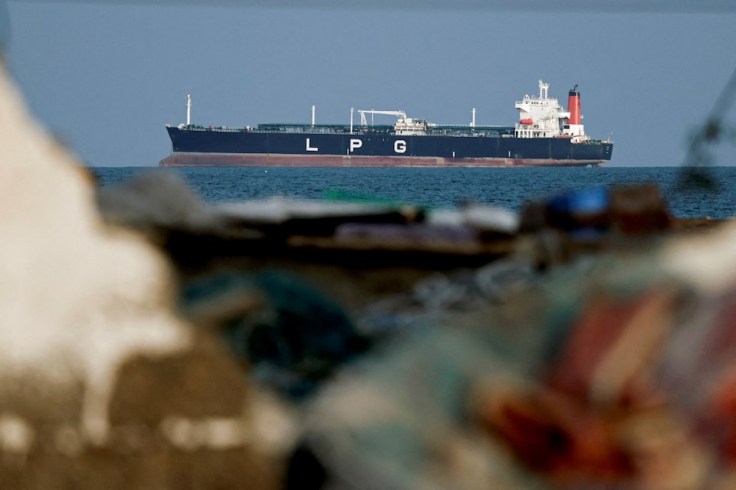
Players in the market are evaluating the consequences of the ongoing conflict in the Middle East that has already caused disruption of supply chains and creating uncertainty in energy prices. Brent crude increased over 3 percent in its last trading session, leading to the pullback on Wednesday, according to the data provided by Reuters, which highlights the volatility of geopolitical events.
Bond markets and currency markets were on the defensive. The U.S dollar dropped 0.2% against the yen to 158.7, the third straight session of fall and the euro stood still at $1.1541 following a record of 4.29 the day before. U.S Treasury yields also skimmed, and the 10-year note dropped 2 basis points to 4.1790.
Fed Decision In Focus
The focus has now firmly moved to the Federal Reserve where policy makers are likely to maintain the rate of interest at the same time hinting their expectations by revising the economic estimates. Close attention will also be paid to the so-called "dot plot" that will give some hints on whether rate cuts are still on the table.
The concurrence is that the median dot plot with one 25-basis-point cut in 2026, as per the existing market pricing, remains.
That being said, there is a fair probability that the dots may move to the right in terms of hawkishness, even to zero cuts, as the committee will perceive the oil shock as causing slower inflation.
"Consensus still points to the median dot plot showing one 25-basis-point cut for 2026, aligning with current market pricing." Tony Sycamore an analyst with IG group Australia said when asked about the consensus on the Fed.
The Fed is placed in a complicated balancing exercise when determining how to manage the elements of increasing energy prices on inflation and keep an eye on the threats to economic growth. The comments of the Chair Jerome Powell on the policy direction in the future as well as his leadership after his term are also likely to be examined by the investors.
In other places, activity of central banks all over the world is under attention. The reserve bank of Australia has already increased interest rates this week and most analysts predict that the bank of Canada will not change the policy though there is a tendency that the bank may increase the rate later in the year with markets valuing this aspect.
The European markets were also positive as EUROSTOXX 50 futures increased by 0.6 after the decline in the last session. This is based on the wider market response in the global market that indicates that investors are tentatively positive but still vulnerable to geopolitical developments as well as central bank signals.
This mix of falling oil prices and expectation of policy transparency in the Federal Reserve has remained the trend setter in the market, as the investors closely follow the incoming information and geo-political events to give them a further indication.


