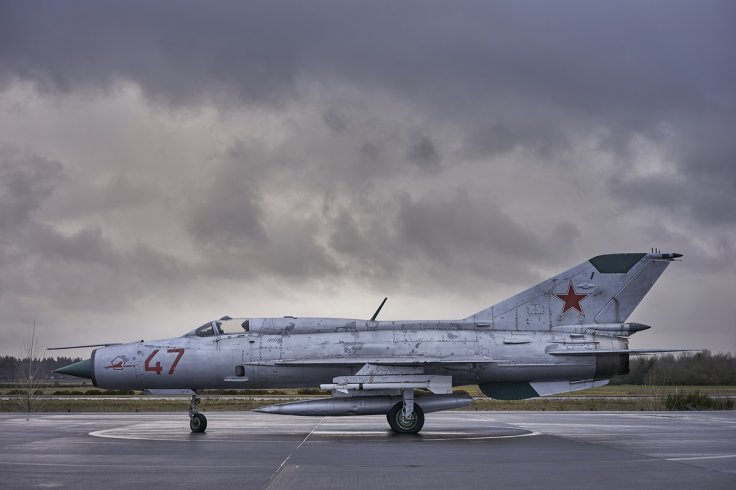
Iran launched ballistic missiles at Israel and at Gulf states on Saturday while explosions struck cities across the Islamic Republic, including Tehran, Isfahan, Tabriz, and Qom, in what military analysts described as simultaneous offensive and defensive operations by a government fighting on multiple fronts.
The strikes marked the fifth consecutive week of armed conflict since the war began Feb. 28, 2026, when a coordinated U.S.-Israeli operation killed top Iranian leadership in a series of strikes that opened the current phase of hostilities.
Trump's Victory Claims vs. What U.S. Intelligence Says
President Donald Trump addressed the nation and announced what he described as a significant battlefield achievement, citing the destruction of Iran's tallest bridge as evidence of the campaign's effectiveness. Iran's military, for its part, vowed "crushing" retaliation and rejected U.S. diplomatic overtures.
U.S. intelligence assessments, found that Iran still holds thousands of drones and missiles despite weeks of sustained strikes, a figure that could not be independently confirmed from a second source. That assessment places the public statements from Washington and the classified picture produced by American spy agencies in direct tension.
Iran fired missiles at Tel Aviv, causing injuries. The Gulf Cooperation Council (GCC), the six-nation bloc comprising Saudi Arabia, the United Arab Emirates, Kuwait, Qatar, Bahrain, and Oman, responded cautiously to the prospect of a ceasefire while simultaneously absorbing Iranian missile fire directed at their territory.
United Nations Secretary-General António Guterres warned in a statement that the world stands on the edge of a wider war with catastrophic global implications. Guterres called on all parties to step back from the brink, though neither Washington nor Tehran publicly acknowledged the appeal.
Tehran itself took heavy fire. Multiple coordinated bombardment waves targeted military and industrial infrastructure across the capital. The National Council of Resistance of Iran (NCRI), an Iranian opposition organization based outside the country, reported intense strikes on military sites in and around Tehran across multiple coordinated waves.
Iran Executes Protesters as Missiles Fly
Away from the frontlines, Iran's judiciary carried out the execution of an 18-year-old protester, the latest in a series of wartime hangings tied to the protest movement that has run parallel to the military conflict. The execution drew condemnation from human rights organizations, though the Iranian government did not respond to those condemnations publicly.
Iranian opposition groups mobilized in London, Washington, and other major cities to demonstrate against the Islamic Republic during this period. The protests signal a coordinated diaspora campaign timed to the military conflict, though the operational relationship between opposition groups abroad and events inside Iran remains unclear from publicly available information.
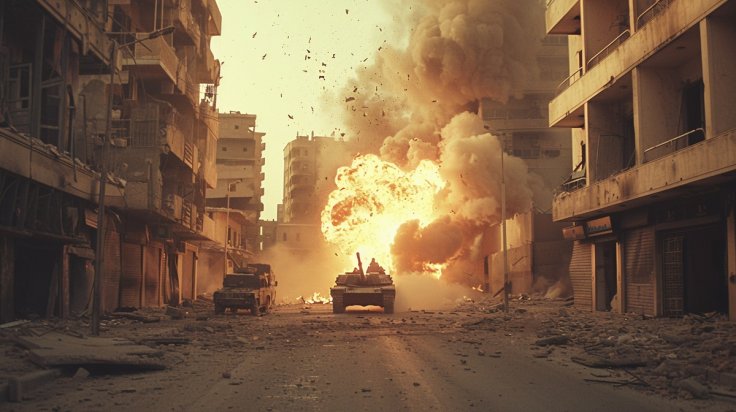
Israel's intelligence service Mossad may have infiltrated protest networks inside Iran, pointing to unexplained killings and the presence of unidentified figures at demonstrations as circumstantial indicators. That claim, which Middle East Eye attributed to sourcing it could not independently verify, has not been confirmed by Israeli or Iranian officials. No official response from either government was forthcoming.
The dual pressure on the Iranian government, military bombardment from outside and domestic execution of dissidents within, creates a picture of a leadership managing internal stability and external war simultaneously. Iran's government has not publicly acknowledged any weakening of its internal security apparatus.
The Regional Stakes for American Interests
For Americans tracking the conflict, the intelligence gap carries direct implications. If the U.S. intelligence community's assessment that Iran retains thousands of operational drones and missiles is accurate, the conflict's trajectory extends well beyond what official statements from the White House have suggested. The GCC states, which host significant U.S. military assets including the U.S. Naval Forces Central Command (NAVCENT) headquarters in Bahrain and major air installations in Qatar and the UAE, are now absorbing Iranian missile fire while attempting to position them for a post-conflict diplomatic settlement.
The UN Secretary-General's warning of catastrophic global implications points to concerns beyond the immediate theater of war, including potential disruptions to global oil supply routes through the Strait of Hormuz, a chokepoint through which roughly 20% of global oil trade passes. That figure is drawn from a single source and could not be independently verified within the insight packages available.
Opposition figures from the NCRI and allied groups have framed the current military campaign as a historic opportunity to end four decades of clerical rule in Iran. Whether that political ambition translates into meaningful post-war governance is a question that no party to the conflict has publicly addressed in concrete terms.
Iran launched missiles at multiple countries in a single operational period, absorbed strikes across at least four of its major cities, executed a teenager connected to its protest movement, and rejected diplomatic off-ramps, all while the United States publicly claimed the upper hand in a conflict its own intelligence services describe in considerably more uncertain terms.
Disclaimer: This article was produced with the assistance of artificial intelligence tool but vetted by human editor.


