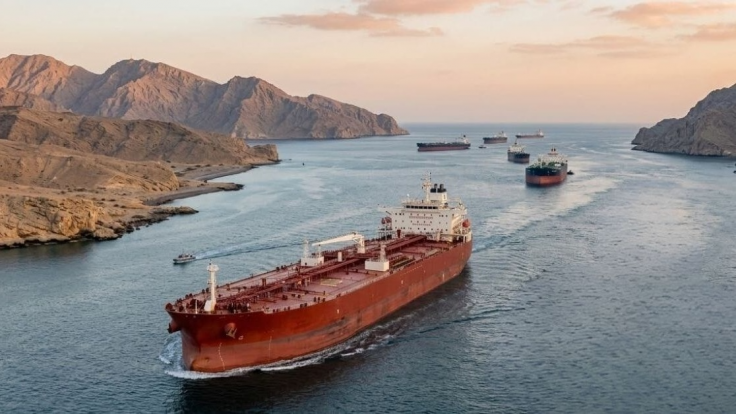
- Brent crude rises above $115 amid Hormuz supply disruptions
- Oil posts largest monthly gain as conflict disrupts global markets
- Global equities fall as investors reassess inflation and growth risks
- Central banks face pressure as rising energy costs impact policy outlook
Global markets fell sharply on March 30 as Brent crude surged above $115 per barrel amid escalating tensions around the Strait of Hormuz. The rally marks one of the largest monthly gains on record and reflects growing fears of prolonged supply disruption. Investors are reassessing inflation risks and interest rate expectations as the conflict widens across the Middle East.
Brent crude climbed above $115 per barrel, marking a roughly 59 percent increase for March, the largest monthly gain on record and exceeding the surge seen during the 1990 Gulf War.
Asian stock markets declined sharply in response, reflecting investor concern that the energy shock could feed into inflation and slow global growth.
Hormuz And Red Sea Risks Amplify Supply Concerns
The surge in oil prices is closely tied to disruptions in the Strait of Hormuz, a critical shipping route through which about one-fifth of global oil supply typically passes.
Analysts said the duration of the crisis "will determine its broader economic impact," particularly if disruptions to key shipping routes persist.
Iran has effectively restricted traffic through the strait during the conflict, tightening global supply and increasing price volatility.
At the same time, attacks by Yemen's Houthi movement have raised concerns about the Bab el-Mandeb strait in the Red Sea, another key chokepoint for energy shipments.
The widening threat across multiple maritime routes has compounded fears of prolonged disruption in global energy flows.
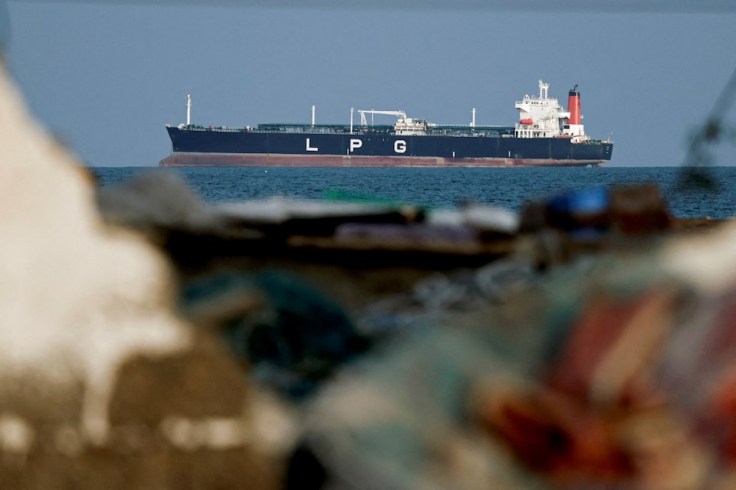
Donald Trump said Iran had agreed to allow additional tankers to pass through the Strait of Hormuz, describing it as a concession aimed at easing tensions.
At the same time, Trump reiterated more aggressive options, including the possibility of using U.S. forces to seize Iran's Kharg Island, its main oil export terminal.
He also said, "Negotiations with Iran were progressing and could lead to a deal, though he acknowledged uncertainty over the outcome."
The mixed messaging has contributed to market volatility, with investors reacting to both signs of de-escalation and risks of further military action.
Inflation Risks Reshape Central Bank Outlook
The sharp rise in oil prices is expected to feed into inflation data across major economies, complicating the policy outlook for central banks.
Preliminary inflation data from Germany and broader eurozone indicators are expected to reflect the impact of rising energy costs.
Markets are increasingly pricing in the possibility of tighter monetary policy. Expectations for interest rate cuts in the United States have been scaled back, while the European Central Bank faces pressure to consider further rate increases.
Jerome Powell is scheduled to speak later Monday, with investors closely watching for signals on how policymakers will respond to the evolving inflation outlook.
The continued buildup of U.S. forces in the region, now exceeding 50,000 personnel, suggests the conflict may persist, adding to uncertainty around supply chains and economic stability.
Oil futures indicate expectations of sustained disruption, with prices remaining elevated across forward contracts into mid-2026.
Analysts say the duration of the crisis will determine its broader economic impact. A prolonged disruption in key shipping routes could extend supply shortages and delay any normalization in energy markets, increasing the risk of sustained inflationary pressure.
For now, markets are reacting to a rapidly evolving situation where geopolitical developments are driving price movements across asset classes, from commodities to equities and currencies.


