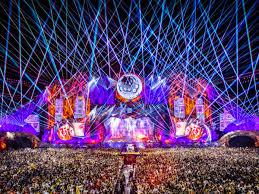
- UAE postpones major concerts amid regional conflict disruptions
- Artists including Shakira, Christina Aguilera reschedule shows to later dates
- Flight disruptions and security concerns impact event logistics across Gulf
- Organizers adopt "postpone not cancel" strategy to preserve events
Major concerts across the United Arab Emirates have been postponed since late February 2026 as regional tensions involving Iran disrupted travel and event logistics. Performances by Shakira, Christina Aguilera and the Jonas Brothers were rescheduled rather than canceled, reflecting a broader industry strategy. Organizers are betting on stability returning later in 2026 while managing immediate operational challenges.
A wave of high-profile concerts in the United Arab Emirates has been postponed following the escalation of a regional conflict involving Iran, reshaping the Gulf's live entertainment calendar without triggering widespread cancellations.
Artists including Shakira, Christina Aguilera and the Jonas Brothers have had scheduled performances pushed back, as organizers respond to disruptions that began after hostilities intensified on Feb. 28, 2026.
The distinction between postponement and cancellation has emerged as a defining feature of the region's response. Promoters are retaining events on the calendar and shifting them to later dates, signaling expectations that the Gulf will remain a viable destination for international touring.
Major Events Shifted As Travel And Security Disrupt Logistics
Abu Dhabi's Off-limits Music Festival, a multi-artist event that debuted in 2025, has been rescheduled from April to November 2026. The festival was set to feature Shakira and the Jonas Brothers as headline acts.
Shakira's planned debut concert in Doha, Qatar, and a related UAE appearance tied to the same regional tour were also postponed amid the escalation. Christina Aguilera's Abu Dhabi performance has been moved from April to September 2026.
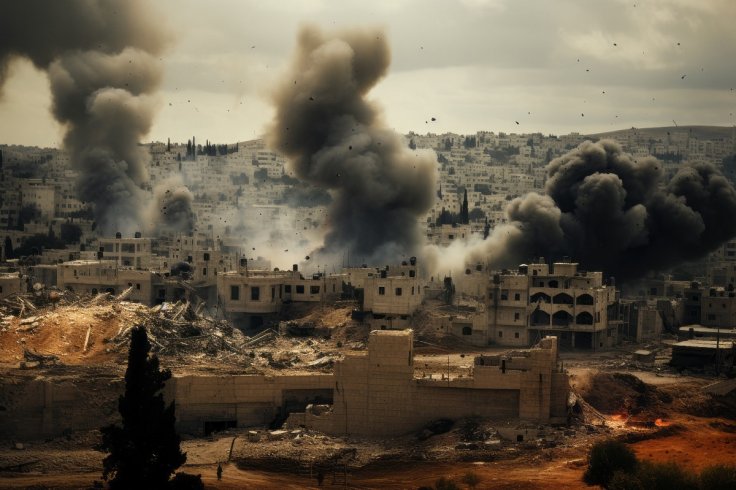
Large-scale cultural events have also been affected. The ARY Entertainment Awards, scheduled to take place at Dubai's Coca-Cola Arena, were postponed on security grounds as regional instability increased.
The disruptions followed military activity that affected multiple airports across the Middle East, leading to widespread flight cancellations and logistical complications for touring artists, production teams and audiences.
"The safety of residents and visitors remains our top priority, and we are working closely with event organizers to ensure all necessary precautions are in place," a UAE government spokesperson said.
Event agencies in the Gulf introduced enhanced safety protocols and contingency planning measures as the situation evolved, reflecting the complexity of staging international productions during a period of regional uncertainty.
Industry estimates suggest more than 100 events have been disrupted across the Gulf since late February, though that figure has not been independently verified.
"The decision to postpone rather than cancel reflects confidence that the Gulf will remain a key stop on global tours once conditions stabilize," said an entertainment industry analyst.
Postpone Strategy Reflects Long-Term Confidence
The decision to delay rather than cancel events reflects a calculated approach within the UAE's entertainment sector. Promoters appear to be prioritizing continuity, preserving ticket sales and maintaining artist commitments while waiting for conditions to stabilize.
An arts expert cited in regional coverage said the UAE remains positioned as a cultural hub despite surrounding tensions, pointing to its infrastructure and international appeal.
The government has also sought to reinforce confidence, holding coordinated briefings across ministries to address the evolving situation and outline preparedness measures.
Tourism Slowdown Pressures Event Economics
The near-term impact has been more visible in the hospitality sector, where reduced travel demand has affected hotel occupancy rates.
Some operators have reported occupancy falling from around 90 percent to below 20 percent as international arrivals slowed, creating challenges for events that rely on inbound tourism.
Large concerts depend on a network of supporting industries, including hotels, transport and venue staffing. Disruptions in any of these areas can affect feasibility, even when venues remain operational.
Audience sentiment has reflected a willingness to wait rather than withdraw.
"Nobody wants a refund. We want the show. Just tell us when," one Reddit user wrote in a post that received more than 600 upvotes.
For ticket holders, organizers have consistently advised retaining bookings, with new dates confirmed rather than left open-ended.
The approach signals that postponements are being treated as temporary adjustments rather than cancellations, though the success of rescheduled events will depend on how quickly regional conditions stabilize.


