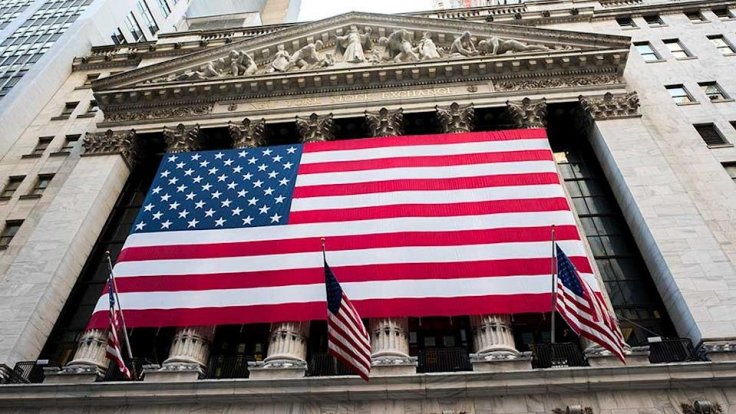
- Nasdaq falls over 2%, confirming correction amid war uncertainty
- S&P 500 and Dow decline more than 1% in selloff
- Oil prices rise as conflict disrupts shipments through Hormuz
- Investors shift to safety as inflation concerns intensify
Nasdaq confirmed a correction on March 26 after falling more than 10 percent from its recent peak, as escalating tensions between the United States and Iran unsettled markets. The Dow Jones Industrial Average and S&P 500 also declined amid rising oil prices and inflation concerns tied to disruptions in the Strait of Hormuz. Investors shifted toward defensive positions as uncertainty around the conflict intensified.
The Dow Jones Industrial Average dropped 469.38 points, or 1.01 percent, while the S&P 500 lost 1.74 percent. The Nasdaq declined 2.38 percent, recording its steepest one-day fall since January 20.
The selloff followed renewed fears of escalation in the ongoing conflict involving the United States, Israel and Iran, which has disrupted oil flows through the Strait of Hormuz, a critical global shipping route. Oil prices rose sharply, with U.S. crude futures gaining 4.6 percent and Brent crude rising 5.7 percent.
President Donald Trump said Iran must reach an agreement with the United States or face continued military pressure. He also stated that taking control of Iran's oil resources remained an option.
A senior Iranian official, responding to a U.S. proposal to end nearly four weeks of fighting, described the offer as "one-sided and unfair," while adding that diplomatic channels remained open.
Later in the day, Trump said attacks on Iran's energy infrastructure would pause for 10 days until April 6 at Tehran's request, adding that negotiations were progressing positively.
Oil Prices And Inflation Fears Reshape Rate Expectations
Rising oil prices have intensified concerns about inflation, complicating the policy outlook for the U.S. Federal Reserve, the central bank responsible for managing interest rates and inflation. Traders are no longer pricing in rate cuts this year, reversing earlier expectations of two reductions.
The Organization for Economic Co-operation and Development, an intergovernmental economic body, warned that the Middle East conflict could derail global growth momentum and push inflation higher if supply disruptions persist.

Doug Beath, global equity strategist at Wells Fargo Investment Institute, said "rapid shifts in geopolitical signals were driving market uncertainty".
"There's a lot of conflicting signals, and it's really the fog of war, the uncertainty of all of it that's driving this," Beath added.
Peter Tuz, president of Chase Investment Counsel, pointed to broader market conditions following several strong years of gains.
"After three good years for markets, a selloff of 10 percent to 20 percent should not surprise anyone," Tuz said.
Tech And Communication Stocks Lead Declines After Legal Setbacks
Technology and communication services stocks led the declines, with the communication services sector falling 3.5 percent and technology dropping 2.7 percent.
Shares of Meta Platforms fell nearly 8 percent, while Alphabet Inc. declined more than 3 percent after juries found both companies liable in separate lawsuits alleging harm to children from social media platforms.
Semiconductor stocks also weighed on the market. The Philadelphia Semiconductor Index dropped 4.8 percent, with Nvidia shares falling more than 4 percent.
Energy stocks were the only major sector to post gains, rising 1.6 percent as higher oil prices boosted outlooks for producers. Defensive utilities also edged higher.
Market breadth reflected broad selling pressure, with declining stocks outnumbering advancers by more than three to one on the New York Stock Exchange. Trading volumes remained below recent averages, suggesting cautious participation from investors.
The volatility follows a month of heightened geopolitical tension, with markets increasingly reacting to rapid shifts in diplomatic and military developments tied to the Iran conflict.


