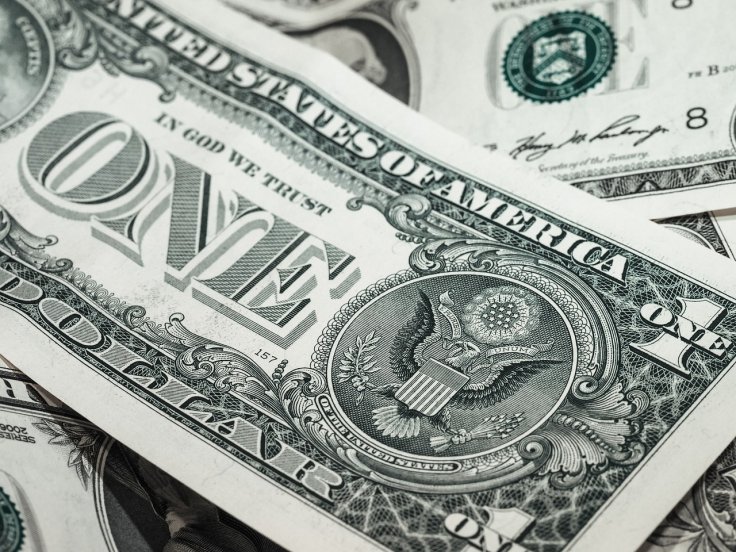
- War disruption raises risk to petrodollar dominance in global trade
- Oil trade may shift to other currencies amid Hormuz disruptions
- Petrodollar system historically linked to dollar-based oil transactions
- Analysts warn shift could weaken U.S. dollar reserve status
Economists and currency strategists have been arguing over the long-term supremacy of the U.S. dollar and some worry that the world will move away faster, as disruptions to global energy trade gather momentum to the so-called petrodollar system through the ongoing Middle East conflict.
Experience The petrodollar system, the standard of global finance over many decades, is founded on the common rule that oil dealings are priced and paid in U.S. dollar. This arrangement, according to analysts at Deutsche Bank, has served as a key pillar in promoting the use of the dollar as the key international reserve currency.
The recent events in the Middle East, especially the threat to shipping in the Strait of Hormuz, have prompted concerns that that system may start to unravel. The war has resulted in confusion of energy flows and payment systems, and debate on alternative currency arrangements.
It has been observed that the U.S. dollar index has increased approximately by 1 percent this year, yet has not experienced the common safe-haven buying that is generally observed during geopolitical crisis, indicating market expectations.
There is Structural Pressure in Petrodollar Foundations
The petrodollar system has its origins in a 1974 agreement between the United States and Saudi Arabia, according to which the export of oil was paid in dollar and the excess income invested in U.S. assets, especially Treasury securities.
This system allowed the United States to fund deficits at comparatively cheap rates, which had been once characterized by former French President Valéry Giscard d'Estaing as an exorbitant privilege.
Nevertheless, according to analysts, there has been a transformation in the global energy trade structure. The US is now a net exporter of energy and Asia is now the main recipient of Middle East oil.
Deutsche Bank strategist Mallika Sachdeva says this change is shifting the incentives of both exporters and importers of oil, and this could lead to less dependence on dollar-based transactions.
Other oil exporters like Iran and Russia (approximately 14% of world consumption) have already been traded outside of the dollar system over the past few years, and this is indicative of a slow diversification of settlement currencies.
War Prematurely Rapidly Switches to Alternative Currencies
The existing conflict can become an agent of additional change. Traditional trade route disruptions and the increased geopolitical tension are prompting some nations to consider other payment systems.
Sachdeva described "the scenario as the perfect storm of the petrodollar, but she pointed out that in the past, oil deals have been quoted, invoiced and settled in dollars".
Energy shipments have also been reported to be negotiated in other currencies such as the Chinese yuan, especially when the terms of a secure transit are linked to payment.
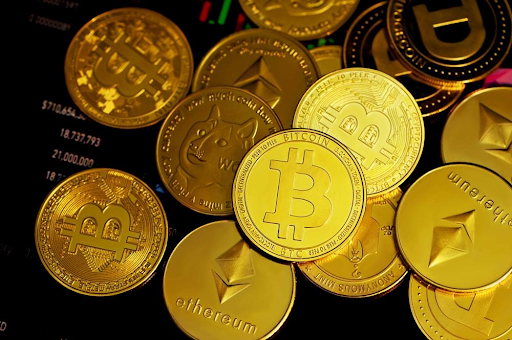
Meanwhile, projects like Project mBridge, a cross-border central bank digital currency system, are under trial as a possible alternative to dollar-based settlement systems.
Saudi Arabia, a major support of the petrodollar system, too is experimenting with non-dollar payment systems, as has been the wider experimentation in global energy markets.
Consequences To World Markets and Reserves
A long-term move toward trading energy in non-dollar denominations may have profound financial market impacts on the world.
Worldwide central banks have significant amounts of U.S. dollars in their reserves partly due to the necessity of covering the expenses of oil imports. By diversifying the oil trade in terms of currency, the need to hold dollar reserves may decrease at a slow pace.
This, in its turn, may have an impact on the demand of U.S. Treasury securities, which have typically enjoyed the recycling of petrodollars by oil-exporting countries.
Nevertheless, analysts warn that "a shift away the dollar would not probably be immediate, considering the richness and liquidity of American financial markets and the lack of an evident alternative of equal size".
Institutional factors such as legal systems, financial infrastructure and the magnitude of the U.S. economy also support the role of the dollar.
Long-term Dimension Added by Energy Transition
In addition to imminent geopolitical changes, there are also longer-term energy consumption trends which are impacting the future of the petrodollar system.
With countries investing in renewable energy sources, nuclear and domestic sources of energy, the role of imported oil can fade as time goes by. This may decrease the requirement to have big dollar reserves associated with energy exchange.
"A self-sufficient world in defense and energy might also be a world with a smaller dollar reserve", Sachdeva observed.
This geopolitical upheaval, coupled with structural energy change, is establishing a complicated environment where the premise of the petrodollar system is under review.
Outlook Remains Uncertain
Although the ongoing conflict has increased criticism of the petrodollar system, economists argue that the U.S. dollar is so integrated into the global financial system.
Its liquidity and institutional support still keep the currency dominant in international trade, reserve holdings and financial markets.
Meanwhile, the changing pattern of trade, the emergence of new technology and changes in geo politics are adding new variables in the equation.
The future of the petrodollar system will certainly be shaped by a mix of factors such as the length of the Middle East crisis, the rate at which the energy market is being altered and the readiness of the major economies to shift to other financial options.
To date, this discussion points to a possible turning point in the international financial system, although the supremacy of the dollar has yet to be challenged.


