- Birds observed using cigarette butts in nests across regions
- Study finds tobacco compounds reduce parasites in blue tit nests
- Research shows modest health improvements in nestlings exposed to butts
- Scientists note potential risks from toxic chemicals in cigarette filters
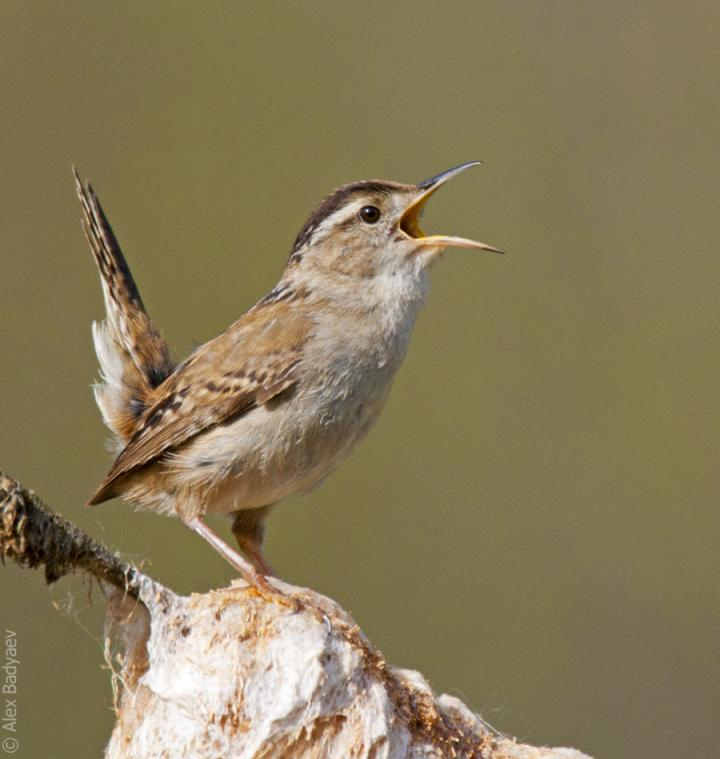
City birds are increasingly using cigarette butts to nest in, and recent studies indicate that the acts can also have a functional role to play: they can help them avoid parasites, which not only threaten the adult bird species, but also their young.
Recent research by scientists at the University of Lodz in Poland established that blue tits, which are small, brightly colored European songbirds, do well when they have cigarette filters in their nests. The results are supplementary to those previously recorded in Latin America where species like house finches and sparrows have exhibited a similar behavior.
Thousands of chemical compounds are found in cigarette butts such as nicotine and other toxic substances that seem to be a natural pesticide. Such chemicals can either scare away or minimize the number of parasites like fleas, ticks and blowflies that are usually dangerous in the nests of birds which suck blood and cripple the young chicks.
In the Polish experiment, researchers followed 99 birds in varying nesting conditions. There were those that were not treated and those that were covered with sterilized materials or cigarette butts. The findings revealed that nests with cigarette butts had a lower number of parasites than the natural ones, albeit still lower than those that were totally sterilized.
Adaptation and Behavioral Intelligence in Urban Requirement
The act throws light on the adaptation of wildlife to the new environment that is created by humans. City nesting birds are exposed to materials that are not traditional and in this instance, the birds seem to be taking advantage of the chemical content of cigarette waste.
In Mexico City, previous studies have seen that birds even further, punch holes through the cigarette filters and sew the fibers to their nests exposing them to the repulsive chemicals. There were species which were observed to add additional cigarette material as the levels of parasites rose, which indicated that they were responding, adaptively.
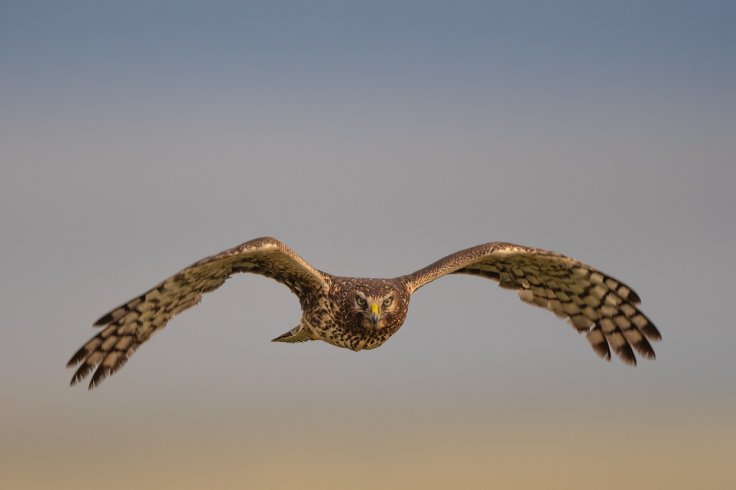
Birds are intelligent according to the leader researcher of the Polish study, Michal Gladalski, who states that "the intentional combination of cigarette waste denotes a utilitarian decision, but not a random gathering."
There have been other instances of the phenomenon in the Darwin finches of the Galápagos and the song thrushes of New Zealand, suggesting that there is a general behavior pattern among urban and semi-urban bird populations.
Advantages Are Associated with the Possible risks
Although cigarette butts might be beneficial in the control of parasites, scientists warn that there are trade-offs to the advantages. The pests would also get scared by the same chemicals that they cause to be dangerous to the birds.
Research has indicated that genetic damage can be induced in nestlings by the exposure to toxins related to cigarettes, which has made the question of long-term health impacts of cigarette advertising and other related toxin exposures worrisome. Despite certain studies showing that using cigarette materials in a nest has an advantage in terms of hatching success and immune protection, it is not clear where the positive impact is counterbalanced by the negative one.
Scholars indicate that "the success of the strategy can be determined by the use of the materials. In other places, the number of cigarette butts used by birds is minimal, which restricts the level of protection." In other cases, higher concentrations seem to have a greater effect of controlling parasites, although they can enhance exposure to toxic substances.
The results also highlight the intricacy of urban ecosystems, where the wildlife had to cope with opportunities and threats that the human activity has posed.
A Growing Area Of Study
According to researchers, the usage of cigarette butts as nests is one of the examples of the ability of the animal world to quickly adjust to the transforming atmosphere, yet also a reminder of the unforeseen effects of pollution.
The research adds to a wider area of investigation on how species change their behaviors with the urbanization process especially in matters touching on health and survival mechanisms.
Researchers are still working on the possibility of birds optimizing this behavior, i.e. to consume enough material to keep off parasites and yet to avoid serious health hazards. Further studies can also be done in future to determine whether other species which are exposed to human waste are developing similar adaptations.
The available evidence thus far indicates that cigarette butts may provide quick fix protection against parasites but the long term effects that it would have on birds populations is yet to be seen.


