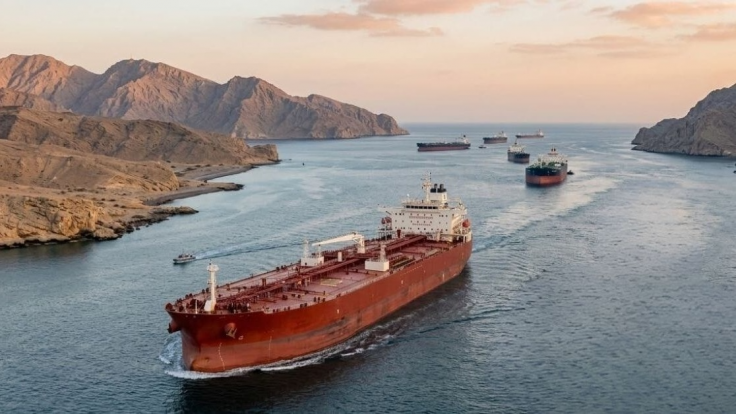
- Indian LPG tanker Nanda Devi exits Strait of Hormuz safely
- Earlier Indian-flagged tanker Shivalik also cleared key shipping route
- Iran grants Indian vessels safe passage amid regional conflict
- Strait of Hormuz handles about 20% of global oil shipments
An Indian-flagged liquefied petroleum gas (LPG) carrier, Nanda Devi, has successfully cleared the Strait of Hormuz, becoming the second Indian vessel to pass through the crucial shipping route after the tanker Shivalik, government sources said on Saturday.
The transit follows Iran's decision to grant safe passage to Indian-flagged vessels despite heightened tensions in the region linked to the ongoing conflict involving Iran, the United States and Israel.
According to officials, the LPG carrier Shivalik crossed the strategic waterway earlier and is currently sailing under escort from the Indian Navy. The vessel has reached open waters and is expected to arrive at an Indian port within the next two days, with Mumbai or Kandla likely to receive the shipment.
Sources said the second tanker, Nanda Devi, has also safely exited the Strait of Hormuz. The vessel is carrying more than 46,000 metric tonnes of liquefied petroleum gas, a key fuel used across India for domestic cooking and industrial applications.
Officials added that both vessels were guided closely by Indian naval assets to ensure their safe passage through the sensitive maritime corridor.
Naval Monitoring And Strategic Coordination
Indian authorities have been closely monitoring the movement of commercial ships operating in the Persian Gulf region since tensions escalated in the Middle East.
Government sources said the Indian Navy is coordinating with shipping companies and maritime authorities to track vessels and provide guidance where necessary.
The escort of Shivalik reflects India's effort to safeguard energy shipments and protect seafarers amid the heightened security risks in the region.
The successful transit of the two LPG carriers came after high-level diplomatic engagement between New Delhi and Tehran.
Indian Prime Minister Narendra Modi held a discussion with Iranian President Masoud Pezeshkian regarding the safe movement of goods and energy supplies through regional shipping routes.
Diplomatic sources said the conversation focused on ensuring the continued flow of energy supplies and maintaining maritime stability in the region.
Iran Signals Safe Passage For Indian Ships
Iran's Ambassador to India, Mohammad Fathali, had indicated earlier that Indian vessels could soon receive permission to transit the Strait of Hormuz despite restrictions placed on other international shipping traffic.
"Yes, because India is our friend. You will see it within two or three hours. We believe that Iran and India share common interests in the region," Fathali said while speaking about the possibility of safe passage for Indian ships.
He also highlighted India's diplomatic engagement with Tehran following the outbreak of hostilities in the region.
"As ambassador in India, I say that the Indian government in this situation, after the war, helped us in different fields," he added.
The ambassador's remarks followed comments by Iranian Deputy Foreign Minister Majid Takht-Ravanchi, who confirmed that Tehran had allowed vessels from certain countries to transit the Strait of Hormuz under specific arrangements.
Key Energy Route Under Global Watch
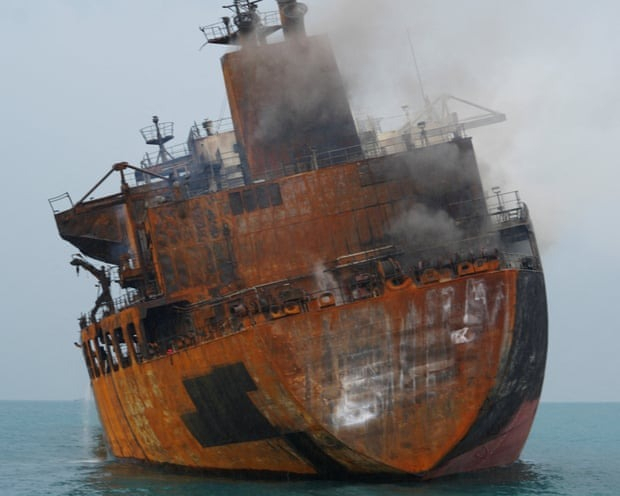
The Strait of Hormuz remains one of the world's most critical maritime chokepoints, handling roughly 20% of global oil and gas exports, according to energy market estimates cited by Reuters.
Any disruption to shipping through the narrow waterway can significantly impact global energy markets, particularly for countries that rely heavily on Middle Eastern fuel imports.
India, one of the world's largest energy consumers, imports a significant share of its crude oil and liquefied gas through shipping routes that pass close to the Strait of Hormuz.
The Ministry of Ports and Shipping said earlier this week that 28 Indian-flagged vessels are currently operating in the Persian Gulf region, with all ships and crew members being actively monitored.
According to the ministry, 24 Indian ships were located west of the Strait of Hormuz, carrying 677 Indian seafarers, while four vessels were east of the Strait with 101 Indian crew members on board.
Authorities said maritime monitoring and coordination efforts will continue as geopolitical tensions persist across the Middle East and global shipping routes remain under heightened scrutiny.


