-
IBT SG - Spot gold up 0.7% at $5,362.90.
- Iran warns Strait of Hormuz closed to shipping.
- Dollar near five-week high as safe-haven demand increases.
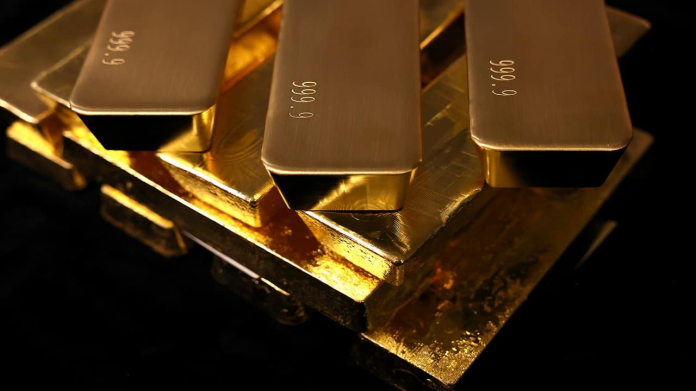
On Tuesday, gold prices rose in a fifth consecutive session on the speculation that investors were looking at safe-haven investments as the U.S. and Israeli air attack of Iran continued to intensify, increasing the risk of full-blown regional war and extended destabilisation of energy showcases. Spot gold increased 0.7% to $5,362.90 per ounce in the first session, and this is after reaching its finest level in over four weeks. U.S. gold futures contracts lasting till April rose by 1.2 to 5,376.50.
It is reported by Reuters that bullion has continued to make progress through the weekend attacks that caused to start a wave of risk aversion in the global markets. The war has raised insecurity concerning evidence of energy availability and routes of trade. It was announced by the Iranian media that one of the high-density figures within the Islamic Revolutionary Guard Corps purported that the Strait of Hormuz was closed, and urged the Iranians to shoot at every passing ship through the waterway.
The strait processes about a fifth of the oil shipments of the world, with a permanent interference, the supply and inflation of oil will cause a narrowing effect. The range and length of the conflict are highly open-ended and with the uncertainties inside the field, the lion is getting the lion's share of safe-haven demand, as per Tim Waterer, the chief market analyst at KCM Trade.
Oil markets reacted sharply. In recent trading, Brent and U.S. to crude futures exploded with traders estimating the danger of constricted flows through the Gulf. Repercussions of the rise in the price of energy have fueled the apprehension that the issue of inflation may start picking up at a global level, which will make it difficult to predict the future easing of central bank policies later in the year.
Dollar Power Capsule Additional Profits
The performance of the gold in spite of the strong rally has been curbed to some degree by the firmer U.S. dollar. Safe-haven flows and trepidation helped the dollar index trade close to a more than five-week high of Monday. A more intensive greenback tends to increase the dollar-dominated commodities (i.e. gold) which is held by less dollar-backed currency holders, so that their momentum is constrained in its upward swing. Nevertheless, during times when geopolitical stress is extreme, investors usually acquire letters of the silver currency and gold at the same time as safety measures.
Gold would be trading probably at a higher price than it does now were it not that the dollar is appreciating against other currencies since the conflict escalated. Traders are currently inflated with the inflation concerns, owing to the orientation of oil prices and minimized shipping quantities over the Strait of Hormuz, Waterer added. U.S president Donald Trump noted that the war against Iran will last as long as it must and that there will be a big wave of additional attacks without giving any details.
The intensifying tensions have already troubled an air traffic in the Middle East and rendered the sea shipping routes difficult. Reuters reports that Iran has slaughtered dozens of both civilians in Iran, Israel and Lebanon and the attack has compelled insurers to review risk premiums on vessels traveling in the Gulf. Increased freight costs and rising insurance rates are contributing to increased inflationary pressures which are associated with higher prices of crude. The sentiment has changed in the bond markets too.
Earlier in the week investors had rushed into the U.S Treasuries, but later on the yields returned when oil inspired inflationary anxiety cropped up again. The haven demand and inflation risk relationship has made financial markets unstable and the safe-haven flows as well as hedging demand in the direction of increased prices have favored gold.
Expansive Precious Metals Increase
There was also progress of other valuable metals, following the fortitude of gold and investor hesitation in all aspects. Spot silver increased 0.2 percent to reach a more than four-week high of $89.64 an ounce in the previous session. Platinum increased 0.3% to $ 2,297.05 and palladium increased 1 Percent to $ 1,784.81.
Having been used both as a safe-haven and an industrial metal, has further increased its popularity, although analysts have observed that the long-term effect of an economy-coping crisis might curb industrial demand. Platinum and palladium highly dependent on the automotive manufacturing sector have been more affected by the fluctuation of the global growth expectations.
The participants in the market are also monitoring central bank cues keenly. Although the Federal Reserve has stated that it would consider loosening the policy end of later this year, a prolonged rise in oil price may make the course erratic. The increased costs in energy are transferred to the field of transportation, manufacturing and consumer prices, which may slow the reduction of the rates and provide the support to the demand of inflation-protecting funds like gold.
Physically-backed exchange-traded funds on gold, on the other hand, have also shown minor inflows over recent trading sessions as retail and institutional investors show renewed interest. Analysts add additional increase in the Middle East especially when ship-upsets become more pronounced is likely to continue supporting the bullion near-term.
Meanwhile, traders are conscious about the fact that either a diplomatic break-through or a decrease in tensions might unleash profit-taking following the recent upsurge. There is still uncertainty regarding the war and its economic aftermath that to date forms the basis of the progress of gold.
With geopolitical risks high and the energy markets uncertain, the performance of the bullion is indicative of the efforts by investors to live in a fast changing environment with both short term security needs as well as the long term inflationary pressure.


