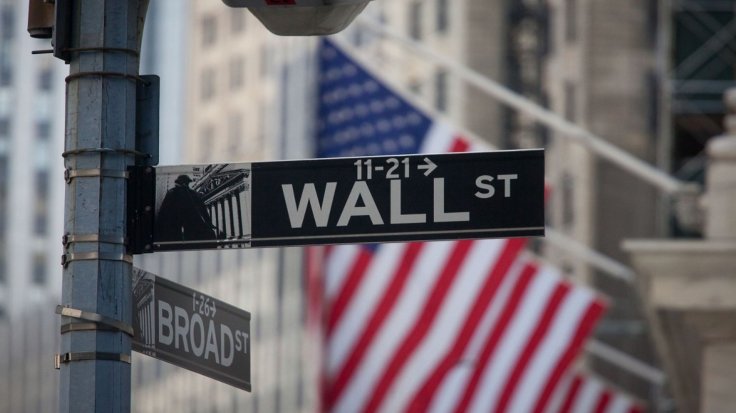
- U.S. indices closed mixed after Iran-related volatility Monday.
- Oil prices surged over 6% amid supply concerns.
- Treasury yields rose; rate-cut expectations pushed to September.
- Defense stocks gained; Bitcoin rebounded near $70,000.
The U.S. stocks ended in a mixed manner on Monday having gone through a forlorn session as far as continuously increasing geopolitical tensions in the Middle East and refurbishing worries regarding inflation were concerned. The United States and Israeli military conflicts with Iran during the weekend smoking crude oil in a sharp upward swing at the open and starting off an equities selloff before leveling out widely at the close.
The yardstick S&P 500 rose by 2.74 points, or 0.04 percent, to 6,881.62, and the Dow Jones Industrial Average fell 73.14 points, or 0.15 percent, to 48,904.78. The Nasdaq Composite has risen by 80.65 or 0.36 percent to close at 22,748.86. Small-cap stocks performed better, and Russell 2000 gained 0.90 per cent. to 2,655.94. Reuters reported that CBOE Volatility Index increased 7.96 to 21.44, which is an indicator of high hedging needs despite the recovery that occurred late in the session. The 10-yr U.S.
Treasury yield has rallied and then shot higher, out of an intraday low, above 4.0, amid widespread reassessment of the inflation outlook by investors. Sector gains were top in energy and defense stocks. Lockheed Martin and RTX Corp increased by 3.37 percent and 4.71 percent respectively, as more military spending was expected. The energy industry of the S and P 500 showed about 2 percent increases and has surged ahead in the stock in the second consecutive with a new high closing price.
Rebounding after an initial drawback, tech stocks saw Nvidia rise by 2.99 percent and Microsoft rise by 0.83 percent. Philadelphia Semiconductor Index closed 0.48 percent or 8,137.36. Consumer, airline and healthcare stocks were the worst performers, with the global airline ETF declining 2.64% as the sentiment got burdened by increasing fuel prices.
Oil Surge Changes The Expectations of Rates
Crude oil prices registered their best one-day rise in months, further raising the discussion that the issue of higher prices of energy is bound to make the Federal Reserve policy more difficult. According to the Reuters data, U.S West Texas Intermediate crude futures reversed increased by 6.28 or $4.21 at a rate of 71.23 per barrel. Brent crude gained 6.68 per cent. or 4.87 to end at 77.74.
The Middle East benchmark prices actually hit a high point of over 83 per barrel at one point during the session on the concern that shipping lanes and the other production facilities in the region could be interfered with. The natural gas futures improved as well with the NYMEX contracts closing at 2.96 per million British thermal units, an increase of 3.53.
Oil rally came after threat threat to Strait of Hormuz was reported as well as temporary energy disruption in the region energy facilities which brought about concerns of supply. Nevertheless, the prices moved down in the Asia trading session and relaxed some acute supply anxieties. The increase in the price of energy was a direct conduit to Treasury market selling.
According to a report by Reuters, traders revised their anticipations of imminent Federal Reserve rate declines and the initial fully priced cut has now been shifted to September. Bond markets reacted violently to it and the bonds sold at prices surpassing April last year by a long way.
Ryan Detrick of the Carson Group stated that the market "has already discounted the potential presence of war in the last one month, which could restrict the magnitude of further steps. In case potential solutions are perceived in the market, a faster recuperation may ensue."
An equivalent reevaluation was shown in currency markets. The safe-haven flows gave the U.S. Dollar Index a one-month high and several emerging market currencies were making their sharpest losses since 2023.
International Markets and Cryptocurrency Response
European equities were taking a strong down turn at the start of the day and the pan-European index, the STOXX 600, declined 1.65, or 623.36 to be the largest one-day drop since November. In Germany, the DAX dropped dropped by 2.42, France CAC40 dropped by 2.17 and the Euro STOXX 50 dropped by 2.47. Some of the poorest performing stocks were travel and auto stocks which indicated sensitivity to the fuel prices and global trade risk.
In the United States, investors slowly turned back into growth names as the trading session went by. The so-called Magnificent Seven index increased 0.56 percent and Tesla, Apple recorded small increases, and Amazon and Alphabet was left down. The attention of the defense contractors did not leave the session. The almost 5 percent gain that RTX Corp made was one of the best-performing large-cap in the industrial sector.
Lockheed Martin increased by over 3, which is indicative of a long-term demand as the world is experiencing geopolitical instability. According to Morgan Stanley strategist Chris Larkin, now uncertainties are greater than certainties. "The positive ripple effects of stability with the energy situation may arise, while the fear of the extended situations of supply disruption may create negative outcomes."
The cryptocurrency markets reflected the overall risk recovery. Bitcoin surged by over 5 percent reaching near the mark of $ 70,000 again after having dropped in initial trading. Ethereum gained about 6%. Typical recovery response was initial sell-first response that had been used in response to earlier political shocks of a geopolitical nature. The Nasdaq Golden Dragon China Index fell by 1.08 percent which shows that U.S. listed Chinese shares are weak.
In the meantime, the semiconductor stocks performed inconsistently with Taiwan Semiconductor ADR decreasing by 1.45 and AMD decreasing by 0.79. In spite of volatility across the assets, U.S. equities still ended almost unchanged levels which is an indication that investors considered the short-term geo-political risks as within control compared to economic fundamentals within the country. The session highlighted the rapid change in inflation expectations in response to energy price shocks, as equity markets show their own resilience in the face of an increased global uncertainty.


