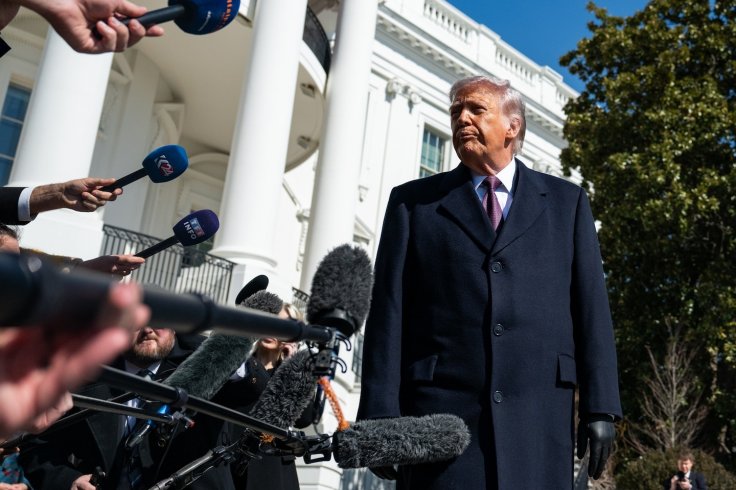
- Large oil futures trades placed shortly before Trump policy announcement.
- Similar predictive trades reported across tariffs, Iran strikes, and Venezuela.
- White House denies wrongdoing, calling the allegations baseless.
- Oversight concerns rise amid reduced enforcement and no formal probe.
The White House is under mounting pressure to explain a pattern of trades that appears to consistently anticipate major presidential announcements by a matter of minutes. The most recent episode occurred early Monday, when a burst of oil-futures activity worth approximately $580 million, as reported by the Daily Beast, landed on markets roughly 15 minutes before President Trump publicly announced he was postponing threatened strikes on Iranian energy infrastructure. Oil prices fell sharply on the news; stock futures simultaneously jumped. The timing was, at minimum, striking.
White House spokesperson Kush Desai moved swiftly to contain the story, calling suggestions that administration officials may have profited from non-public information "baseless and irresponsible."
White House counsel David Warrington went further, telling Axios, "The president has no involvement in business deals that would implicate his constitutional responsibilities. President Trump performs his constitutional duties in an ethically sound manner, and to suggest otherwise is either ill-informed or malicious."
A Pattern Stretching Back Months
The Iran oil trade was not an isolated incident. Axios reported that more than 150 Polymarket accounts placed four-figure bets predicting a US strike on Iran before the first strike was publicly announced. A January 2 Polymarket wager converted roughly $32,000 into more than $400,000 for an anonymous user who correctly bet on the capture of Venezuela's Nicolas Maduro hours before the US military's Caracas operation became public knowledge.
And in April 2025, unidentified traders placed multi-million-dollar options bets in the minutes before Trump unexpectedly paused his sweeping tariff package for 90 days, a move that sent markets surging.
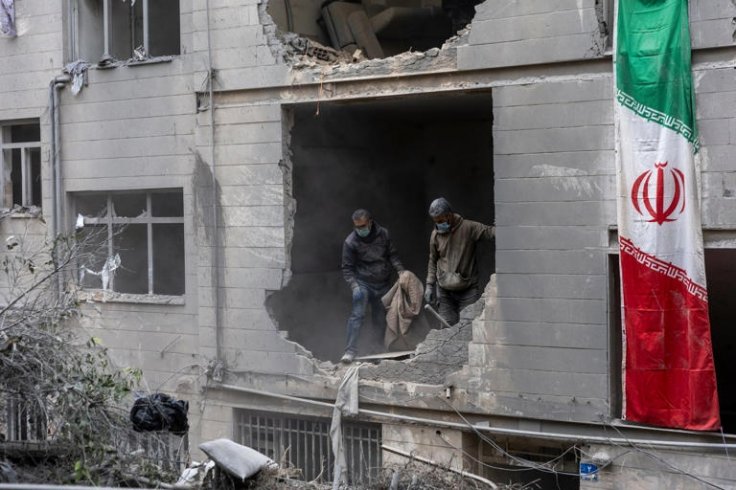
Reuters, reporting on the tariff-pause trades, noted that experts found it difficult to say with confidence which bets were genuinely suspicious and which reflected aggressive speculation or hedging in hyper-volatile conditions.
Anonymous accounts, the opacity of prediction market platforms, and the absence of a central regulatory framework make definitive attribution exceptionally difficult. None of the episodes, on their own, constitutes proof of insider trading.
Weakened Oversight Raises the Stakes
What gives critics pause is the institutional backdrop against which the trades are occurring. Reuters reported in March 2025 that the administration was considering dismantling the Justice Department's Public Integrity Section, the unit historically responsible for the country's most politically sensitive corruption investigations.
NOTUS subsequently reported its attorney complement had fallen from 36 to just two. This week, Reuters also reported that the SEC's enforcement chief resigned after clashing with agency leadership over cases touching Trump's orbit, though an SEC spokesperson maintained the agency applies securities laws without bias. Public Citizen separately documented that the administration had cancelled or frozen 159 enforcement actions against 166 companies with links to the Trump administration.
House Democrats have called for formal scrutiny of the trades. The White House has not indicated it will cooperate with any such inquiry. As of March 25, no regulatory body has announced a formal investigation, and the trades, anonymous, dispersed, and legally ambiguous, remain unresolved at the intersection of political power, financial markets, and accountability.


