- Pentagon considers diverting weapons from Ukraine to Middle East
- Plan involves reallocating air defense interceptors amid rising demand
- Ongoing Iran conflict strains U.S. military stockpiles and supply chains
- Move could affect Ukraine support and broader NATO coordination
The U.S. Defense Department is looking at diverting the weapons, which were intended to support Ukraine, to the Middle East, as escalating military actions against Iran are straining stockpiles and casting wider concerns about Washington's capacity to maintain multiple overseas commitments.
The relocation, which was initially announced by The Washington Post and verified by Reuters, includes possible disarmament of air defense interceptor missiles acquired in a NATO-supported program created to supply Kyiv. Reuters said the consideration was a sign of rising pressure on U.S. inventories amid an expansion in operations in the Middle East.
According to a Pentagon spokesperson, "the department would make sure that U.S. troops and the troops of our allies and partners have what it takes to fight and win, highlighting the balancing act the policymakers have to play".
This is in the wake of an increase in U.S. Central Command operations in the area. This statement by Admiral Brad Cooper last week made it clear that American forces have already hit over 10,000 targets within Iran and points to the magnitude of the effort and the strain it places on precision munitions and air defense.
Pressure on Supply Chains in the Military is Increased
Its changing possibilities foster a structural dilemma concerning the United States: how to retain preparedness to deal with numerous theaters and how to balance scarce defense assets.
The current battles depend on hi tech weaponry like interceptor missiles, expensive and time consuming to manufacture. According to analysts, the increased demand by both Ukraine, and the Middle East is putting strain on supply chains.
Per the reporting of Reuters, the allies of NATO have been buying U.S.-produced weapons to Ukrainian forces in their coordinated system, any diversion was likely to have an impact on the unity of the alliance, and the defense of Kyiv.
Defense authorities have not been able to vet a decision into this matter, but the reasoning underscores the sense of urgency generated by multiple conflicts occurring at the same time and the prioritization of decisions that can then be made.
Such forces have occurred in the past during overlapping periods of military activity and the Pentagon has had to re-evaluate allocation methods and procurement timelines.
Increased Spending On Foreign Military Activity
Recent events can be viewed against the background of the continued high levels of U.S. military expenditures overseas.
Foreign military missions have cost the US trillions of dollars in the last 20 years. A study conducted by Brown University in the Costs of War project estimates the cost of conflicts in Afghanistan and Iraq and related theaters post 9/11 to be greater than $8 trillion, including long-term commitments such as veteran care.
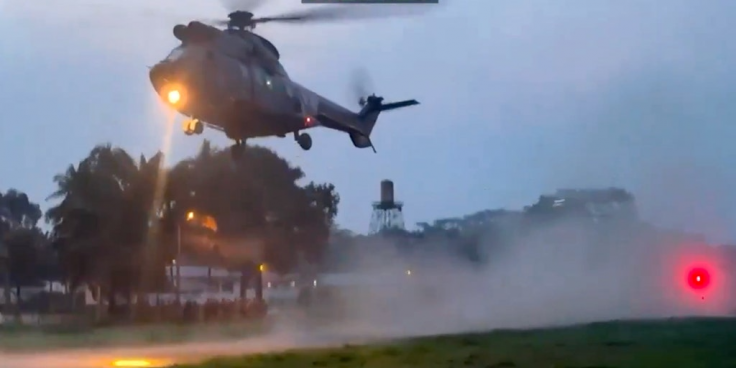
Defense budgets have also been high annually. The 2025 U.S. defense budget is upper than 850 billion with a large proportion going to operations, procurement and global force posture.
Funding such expenses has traditionally depended on a mix of federal borrowing and reallocations of budget, and war spending has been frequently funded by use of additional appropriations not covered by regular budgets.
According to economists, the U.S. is capable of maintaining high rates of defense expenditure, but the ongoing conflicts may add to the economic strain, especially when coupled with a growing interest rates and an expanded range of economic hardships.
War Financing Precedents
The present state of affairs is reminiscent of previous times where the United States tackled the challenge of financing several military conflicts concurrently.
The war effort during World War II was funded by a combination of taxes, war bonds and money creation on an unprecedented scale, mobilizing the domestic resources of the U.S.
More recent wars, such as the wars in Iraq and Afghanistan, were financed in large part by deficit spending. Congress has granted the authority to an emergency appropriations sufficient to pay operations, the Pentagon able to remain flexible but adding debt over time.
According to the Congressional Budget Office, "the cost of interest payments related to debts incurred in these wars and conflicts remain a part of total fiscal expenditures even when military operations are long in duration".
Unlike the past, current wars are being funded amidst a sophisticated international economic landscape with interest rates and inflation potentially increasing the burden of borrowing.
Trade-offs in Strategic Relations Ukraine Middle East
Shifting military aid to Ukraine would have important strategic implications. Ukraine has resorted to the use of western-provided air defense to prevent missile and drone attacks. Any decrement in support may have an impact on its capability to defend critical infrastructure as well as its resilience on battlefields.
Simultaneously, a higher resource footprint in the Middle East is developing as the U.S. undertakes efforts to maintain offensive capabilities by defensive means.
Allies are paying close attention to the situation, notably in NATO, where coordination and burden-sharing have been at the center of the response to Russia invading Ukraine.
The possible change is indicative of a larger re-balancing of priorities on the part of Washington as it responds to changing threats and resource pressures. Finding a Middle Ground between Global Duty and Importance, Needs and Uncertainties.
The Pentagon debates highlight the workload in handling global military engagements in an era of increased geopolitical friction.
As both the troubles in Europe and the Middle East require long-term focus, policymakers are left with tough decisions regarding resource allocation, strategic priorities and long-term planning.
It will depend on the course of the two conflicts, the rate of weapons production, and the readiness of allies to shoulder the burden, analysts say.
In the meantime, the case points to the interdependent character of the war in the 21st century as decisions made in one region can have immediate impacts in others influencing not only military strategy but the international politics as well.


