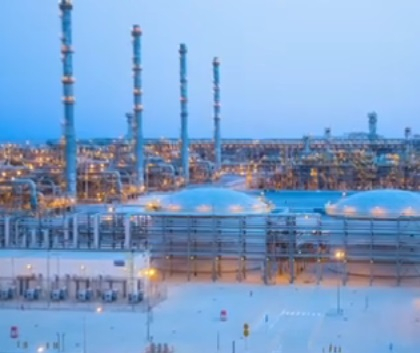
- Saudi Aramco sells first Jafurah condensate cargoes
- Chevron, Exxon, Indian Oil purchase initial shipments
- Cargoes priced $2–$3 per barrel above Dubai
- Jafurah project targets 2 bcf per day by 2030
Saudi Arabia's state energy giant has sold its first cargoes of condensate from the Jafurah gas project to buyers in the United States and India, marking a significant step in its plan to expand gas-linked exports, according to trade sources familiar with the matter.
Saudi Arabian Oil Co has agreed to supply several ultra-light crude cargoes from the $100 billion Jafurah development, with U.S. energy majors and an Indian refiner among the initial purchasers, four sources told Reuters. The first cargo is expected to load later this month, with additional shipments scheduled for March.
U.S.-based Chevron Corp bought two cargoes for loading later this month and in March, while Exxon Mobil Corp and Indian Oil Corp secured cargoes for lifting next month, the sources said. The cargoes were sold at premiums of $2 to $3 per barrel above Dubai benchmark quotes on a free-on-board basis, they added.
According to Reuters, Dubai crude futures were trading near $83 per barrel in early Asian trade on Monday, compared with around $82.40 in the previous session, reflecting modest gains in the broader oil market. Brent crude futures were last up 0.5% at approximately $86.20 per barrel after closing 0.3% higher on Friday.
Premium Pricing Reflects Strong Demand
The Jafurah condensate, with an API gravity of 49.7 degrees and sulphur content of roughly 0.17%, is considered a high-quality, ultra-light grade suited for petrochemical feedstock and refinery blending. A preliminary crude assay reviewed by Reuters showed that around 40% of its yield is petrochemical feedstock naphtha, predominantly the heavier grade, with most of the remainder comprising gasoil and kerosene.
Chevron's first cargo is likely destined for South Korea through its joint-venture refiner GS Caltex, while the second may be delivered to Thailand's Star Petroleum Refining, two of the sources said. The diversification of destinations underscores the commercial appeal of the new stream as refiners seek flexible light inputs.
Aramco could export four to six 500,000-barrel cargoes of Jafurah condensate per month from Yanbu on the kingdom's western coast, a source told Reuters earlier. That would represent a steady addition to global light crude supply, particularly for Asian refiners dependent on Middle Eastern barrels.
Aramco, Exxon, Indian Oil and Star Petroleum did not immediately respond to requests for comment. Chevron declined to comment, while GS Caltex did not provide an immediate statement.
The premiums of $2 to $3 per barrel above Dubai quotes suggest firm demand for light feedstocks at a time when petrochemical margins have shown tentative improvement. Reuters data showed Asian refining margins for naphtha strengthened slightly this month compared with late January levels, supporting buying interest.
Strategic Expansion Beyond Crude
Jafurah is regarded as potentially the largest shale gas project outside the United States, with estimated resources of 229 trillion standard cubic feet of raw gas and 75 billion barrels of condensate. The development is central to Aramco's ambition to increase gas production capacity and position itself as a major global natural gas supplier.
The project is expected to reach sustainable production of 2 billion cubic feet per day by 2030. As condensate output rises, Aramco's export slate will increasingly include lighter grades in addition to its established heavy and medium crude streams.
Energy markets have been closely tracking shifts in supply from the Middle East. According to Reuters, Brent crude futures were trading about 1.8% higher compared with levels a week earlier, reflecting tightening sentiment amid geopolitical and trade-related developments. West Texas Intermediate crude was near $81.70 per barrel on Monday, up 0.4% from Friday's settlement.
Market participants said the entry of Jafurah condensate into export markets provides refiners with an alternative to traditional light crude supplies from West Africa and the United States. Condensate can be processed in splitters to produce naphtha for petrochemical plants or blended with heavier crudes to optimize refinery yields.
"Jafurah condensate offers refiners flexibility at a time when feedstock optimization is crucial," said Rahul Desai, an independent refining consultant based in Singapore. "The premium suggests buyers see value in its high naphtha yield and low sulphur profile."
Analysts note that as Aramco expands its gas operations, associated liquids such as condensate will become an increasingly important revenue stream. The diversification aligns with Saudi Arabia's broader strategy to monetize gas resources and support downstream and petrochemical integration.
For India, securing early cargoes underscores the country's efforts to broaden its crude sourcing mix. Indian refiners have been active buyers of discounted and specialty grades to manage input costs amid fluctuating benchmark prices.
Exxon's participation indicates U.S. interest in trading and refining opportunities linked to the new grade. While U.S. shale production continues to supply significant volumes of light crude and condensate, refiners and traders often seek diverse sources to optimize blending economics.
The launch of Jafurah condensate exports comes at a time when global oil demand forecasts remain stable but subject to macroeconomic uncertainty. Reuters reported that the International Energy Agency expects global oil demand growth to moderate this year compared with last year's pace, while supply additions from non-OPEC producers continue.
As the first cargoes are lifted and pricing benchmarks established, market participants will assess how Jafurah condensate integrates into regional trading patterns. The initial sales to U.S. majors and an Indian refiner signal early acceptance of the grade among established buyers, marking a new phase in Aramco's export portfolio.
FAQs
Which companies bought Saudi Aramco's first Jafurah condensate cargoes?
U.S. majors Chevron and Exxon Mobil, along with Indian Oil Corp, purchased the initial cargoes. The shipments are scheduled for loading later this month and in March.
What is the Jafurah project and why is it important for Saudi Aramco?
Jafurah is a $100 billion gas development estimated to hold 229 trillion cubic feet of raw gas and 75 billion barrels of condensate. It is central to Aramco's plan to expand gas output and strengthen its position in global natural gas and light crude markets.
How much premium did buyers pay for the Jafurah condensate?
The cargoes were sold at premiums of $2 to $3 per barrel to Dubai benchmark quotes on a free-on-board basis. Pricing reflects strong demand for ultra light crude grades.
Where are the first Jafurah condensate shipments expected to go?
Chevron's first cargo is likely headed to South Korea for its joint venture GS Caltex, while another shipment could go to Thailand's Star Petroleum Refining. Additional cargoes may be exported from Yanbu.
What are the key characteristics of Jafurah condensate?
The condensate has an API gravity of 49.7 degrees and about 0.17% sulphur content. Around 40% of its yield is petrochemical feedstock naphtha, with the remainder mainly gasoil and kerosene.


