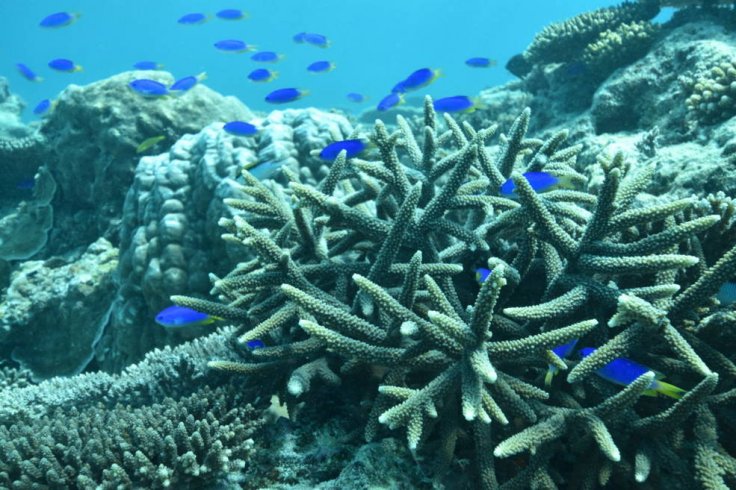
Extended periods of calm, windless weather known as "doldrum days" are playing a growing role in driving mass coral bleaching on Australia's Great Barrier Reef, according to new research released on Monday, January 19.
Scientists say that these weather conditions are increasingly disrupting the natural cooling mechanisms that help protect the world's largest coral reef system.
The study examined nearly 30 years of weather data during the coral bleaching season and found a strong link between prolonged breaks in the trade winds and spikes in ocean temperatures. Trade winds typically help cool surface waters over the reef, but when they weaken or disappear, heat can rapidly build up, placing corals under severe stress, Monash University said in a statement.
Published by the European Geosciences Union, the research shows that large-scale atmospheric waves can lower air pressure and interfere with the trade winds, increasing the likelihood of calm conditions developing. These atmospheric changes make the reef more vulnerable to sustained heat, particularly during critical months.
Researchers found that the loss of trade winds during December and April is especially damaging. Without these seasonal cooling events, heat stress can accumulate earlier in summer and linger later into the season, significantly raising the risk of widespread coral bleaching.
"Trade winds act like nature's air conditioner for the reef," said lead researcher Lara Richards, a PhD candidate at the Australian Research Council Centre of Excellence for the Weather of the 21st Century. "When they fail, the ocean heats up quickly, and corals suffer." She added that a better understanding of these weather patterns could improve predictions of bleaching events and help guide mitigation efforts.
The analysis revealed that years marked by mass bleaching had calmer, cloud-free days during the hottest months, along with fewer strong trade wind days between December and April. These conditions allow heat to accumulate and persist, creating ideal environments for marine heatwaves.
Professor Steven Siems from Monash University's School of Earth, Atmosphere and Environment said the findings highlight how changes at the beginning and end of the bleaching season can have outsized impacts. "Missing cooling events at the edges of the season can turn an ordinary year into a bleaching year," he said, noting that doldrums tend to occur more frequently and last longer during mass bleaching episodes.
The researchers warned that as climate change continues to alter global weather systems, monitoring atmospheric patterns will become increasingly important. With trade winds emerging as a critical line of defence for the reef, the study underscores the need for closer observation and improved forecasting to protect the Great Barrier Reef from future bleaching events.


