
- Global markets fall as oil surges near $100 per barrel
- S&P 500, Dow, MSCI World hit yearly lows amid selloff
- U.S. Treasury yields rise as markets reassess inflation risks
- Dollar strengthens while emerging market currencies weaken across global trading
Global financial markets retreated sharply on Thursday as crude oil prices surged back to the $100 per barrel mark, triggering broad declines in equities and a selloff in bonds while strengthening the U.S. dollar. The spike in energy prices, fueled by escalating geopolitical tensions in the Middle East, intensified fears of slowing economic growth and rising inflation pressures.
Brent crude futures jumped roughly 10% during the session, returning to around $100 a barrel after trading significantly lower earlier in the week. The rapid surge in oil sent shockwaves through global markets. According to Reuters, the benchmark S&P 500 and Dow Jones Industrial Average both closed at their lowest levels of the year, while the MSCI World index also recorded a sharp decline as investors reduced exposure to risk assets.
Sector performance reflected the pressure on consumer activity and travel demand. Industrial stocks dropped about 2.5%, while consumer discretionary shares fell around 2.2%, Reuters data showed. Airlines and travel companies were among the hardest hit as investors recalibrated expectations for fuel costs and household spending. Energy companies were among the few gainers, with Chevron rising about 2.7% as higher crude prices boosted profit expectations.
Oil Surge Reverberates Across Global Markets
The oil rally also triggered turbulence in global bond markets as investors reassessed inflation risks. According to Reuters, U.S. two-year Treasury yields climbed 11 basis points to their highest level since August, while Germany's 10-year Bund yield approached 3%, marking its highest level since October 2023. In Britain, the 10-year gilt yield posted its largest two-day rise since February 2024.
Currency markets reflected a flight to safety as the dollar strengthened against most major peers. Reuters data showed the dollar index reaching its highest level since November, while the Australian dollar declined about 1%, making it the worst-performing currency among the Group of Ten economies. Emerging market currencies including the Brazilian real, Mexican peso, South Korean won, South African rand and Chilean peso each weakened by roughly 1% to 2%.
Higher fuel costs also fed through to consumer energy prices. According to Reuters, the average price of gasoline in the United States rose to around $3.60 per gallon. Analysts say such increases can rapidly influence consumer sentiment, corporate margins and broader inflation expectations.
John Kilduff, partner at Again Capital, said, "the sudden move in crude prices carries significant implications for the global economy... Oil at $100 is a powerful shock to the system because it affects everything from transportation to manufacturing and consumer spending."
Central Banks Face Renewed Inflation Challenge
The return of triple-digit oil prices has also reshaped expectations for monetary policy in the United States and other major economies. Only weeks ago, several analysts anticipated multiple interest rate cuts from the Federal Reserve in 2026 as inflation appeared to moderate. However, the energy shock has quickly altered those projections.
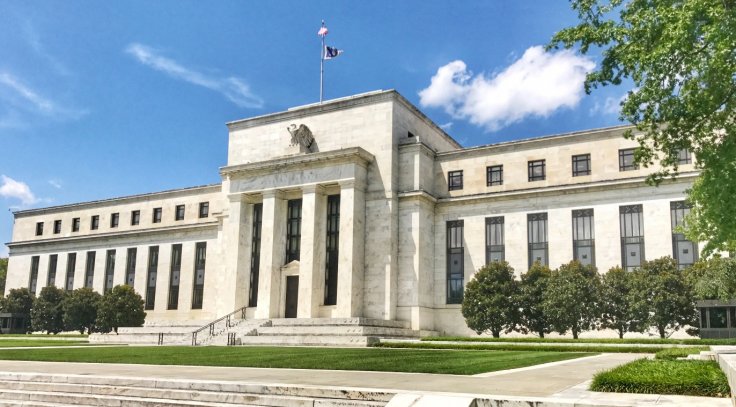
According to Reuters, traders no longer fully price in even a single U.S. rate cut for 2026. The reassessment reflects growing concern that rising energy costs could revive inflation pressures, complicating central bank efforts to support economic growth without triggering price instability.
The ripple effects are being closely monitored by policymakers worldwide, particularly ahead of a week packed with central bank meetings. Authorities in Australia, Canada, Brazil, Japan, Sweden, Switzerland, the euro zone, the United Kingdom and the United States are all scheduled to announce policy decisions, placing monetary officials under increased scrutiny as markets react to shifting inflation risks.
Energy market volatility has historically posed challenges for policymakers balancing growth and price stability. David Lennox, resource analyst at Fat Prophets, said the current environment highlights the sensitivity of financial markets to sudden supply shocks. "A rapid move in oil prices can ripple across markets, affecting inflation expectations, currency movements and equity valuations simultaneously," he said.
Outlook Shaped by Energy and Geopolitics
Market participants are now watching energy markets and geopolitical developments closely as key drivers of financial conditions. The International Energy Agency has warned that the current conflict in the Middle East could lead to one of the largest oil supply disruptions in modern history if shipping through critical routes is significantly constrained.
"The move back toward $100 oil is significant because energy prices quickly feed into inflation expectations and can force central banks to remain cautious about cutting interest rates," said Helima Croft, global head of commodity strategy at RBC Capital Markets.
The surge in crude prices has reinforced volatility indicators across asset classes. Equity investors remain cautious about the impact on corporate earnings and consumer demand, particularly if fuel costs remain elevated for an extended period.
Upcoming economic data releases may also influence sentiment, including U.S. inflation figures, manufacturing surveys and employment indicators. These reports will help investors assess whether higher energy prices are translating into broader inflationary pressures.
Financial markets are likely to remain sensitive to movements in oil prices and developments in the Middle East as investors evaluate their potential implications for global economic growth and monetary policy.


