President Donald Trump formally asked Congress on Thursday for a $1.5 trillion defense budget for fiscal year 2027, marking the largest military spending request in modern U.S. history and the biggest year-on-year increase since the end of World War II.
In a White House statement, Trump framed the proposal around urgency, describing the current moment as "troubled and dangerous times." The gap between this request and prior peacetime budgets is visibly stark. The $1.5 trillion figure reflects roughly a $500 billion increase over existing defense appropriations, with money directed toward modernization programs across all service branches. Paired with the defense push, the White House called for a 10 percent cut to nondefense spending and proposed shifting some program costs to state and local governments.
Golden Dome: $185 Billion For A Future System
The most scrutinized line item is $185 billion for the Golden Dome, a proposed continental missile defense system meant to intercept ballistic, cruise, and hypersonic threats before they reach U.S. soil. No working version of the system exists yet but becomes necessity in view of the failure of Israel's similar Iron Dome system. The concept draws comparisons to Iron Dome, but at a scale and technical complexity that defense analysts say goes far beyond anything ever built or fielded. The Golden Dome allocation has been positioned as a top priority in Trump's defense agenda, pending other new naval vessels and precision strike munitions.
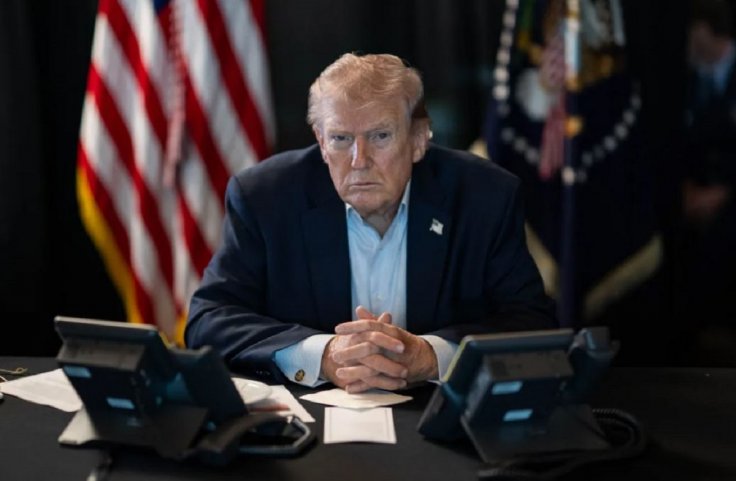
The Trump administration has not provided a breakdown of how the $185 billion would be phased across the program's development cycle. The figure has not been confirmed by a second official budget document and remains a single source claim pending Congressional Budget Office review.
The broader spending budget adds fiscal pressure of its own. The U.S. budget deficit is projected to deepen to $1.853 trillion this year, with the deficit to GDP ratio potentially climbing to 6.7 percent over the next decade, based on available fiscal modeling estimates. The projection has not been independently confirmed by other sources but the administration is proposing record military outlays at a time when the government is already running a significant deficit.
Congress Gridlocked Over Budget
Congress is also gridlocked over current year appropriations. Lawmakers have not resolved fiscal year 2026 spending, and Capitol Hill faces the prospect of negotiating a record setting defense increase while still stalled on baseline funding. The proposal places the $1.5 trillion request on uncertain footing before committee level negotiations begin.
On the international front, NATO allies in Europe and Canada collectively raised defense spending by 20 percent in real terms for 2025, investing a combined $574 billion. Trump has long pressed alliance members to increase their contributions. The new request signals that the United States intends to widen, rather than narrow down its spending advantage within the alliance.
One widely shared online comment captured the domestic concern: the Golden Dome alone could cost more than major long term civilian programs, raising questions not only about its effectiveness but whether it can realistically be built at a massive scale.
The Trump administration has also linked the spending increase to proposed reforms targeting major defence contractors, though specific mechanisms have not yet been detailed. Global defence stocks rose following the announcement, reflecting market expectations of increased procurement.
Congress will now begin the review. Which domestic programs, beyond the proposed 10 percent reduction in nondefense spending, would face the deepest cuts remains to be seen.


