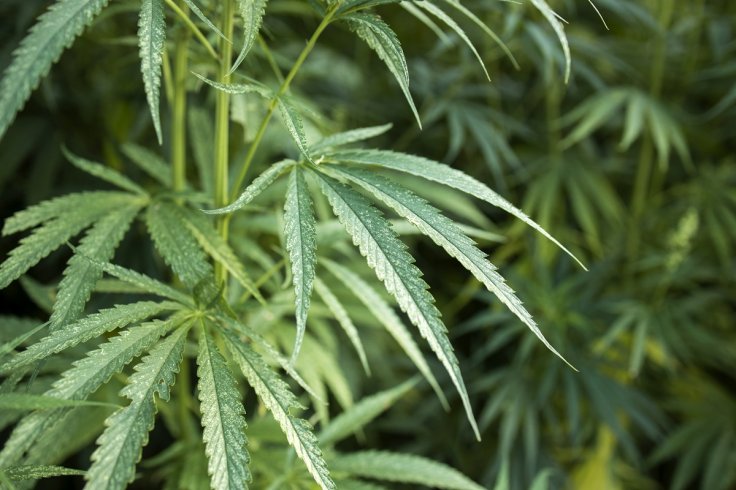
More than half of clinical providers in Washington state now believe cannabis can pose significant mental health risks to their patients, according to a new survey by the University of Washington (UW). The findings also highlight growing concern for trauma-affected individuals, who may be more vulnerable to its harmful effects.
The survey suggests that many clinicians across the state are increasingly encountering cannabis-related mental health issues among their patients. Reported concerns include anxiety, hallucinations and even psychosis.
The findings come as Washington's cannabis market continues to grow, with some companies promoting products through wellness and education messaging. However, for many frontline healthcare providers, what they are seeing in clinics does not always match that narrative.
How Cannabis Amplifies Risk for Trauma Survivors
The detail that distinguishes this moment from earlier rounds of cannabis safety debate is not just who uses the drug. It is who is most likely to be harmed by it.
Research published through the Centre for Evidence-Based De-addiction Clinic (CED Clinic) found that cannabis use significantly amplifies paranoid symptoms in individuals with histories of chaotic or traumatic childhoods. That finding matters in a country where adverse childhood experiences are common and where people with trauma histories are disproportionately represented among those who use cannabis to self-medicate anxiety or stress. The same clinicians raising concerns in the UW survey are the ones seeing this patient overlap in real time.
CED Clinic has also noted that clinicians should approach cannabis medicine with an evidence-based framework, a position that reflects frustration among providers who say the pace of legalization has outrun the pace of clinical research. That frustration is compounded by a structural problem: cannabis research has been severely hampered by federal scheduling and funding constraints, leaving providers without the evidence base they need to counsel patients effectively.
The potency issue makes the calculus harder still. Modern cannabis products are significantly more potent than those available to previous generations, a shift that increases the dose of tetrahydrocannabinol (THC), the psychoactive compound in the plant, that users receive even from what they consider routine consumption. For a trauma survivor already primed toward hypervigilance, a high-THC product can tip a manageable baseline into acute paranoia or a dissociative episode.
Adolescent Cannabis Use and Psychiatric Risk
If trauma survivors represent one acutely vulnerable group, adolescents represent another. The risk profile for young users is not modestly elevated. It is substantial.
Research from the Public Health Institute (PHI) found that adolescent cannabis use is linked to a doubling of the risk of developing psychotic and bipolar disorders. Separately, Kaiser Permanente's Division of Research confirmed that teen cannabis use significantly increases the risk of serious psychiatric disorders in young adulthood. Those two findings, drawn from different institutions and methodologies, point in the same direction.
Psychology Today's addiction research coverage noted in March 2026 that there are no proven benefits for adolescents and young adults from cannabis use, despite the documented risks being substantial. That asymmetry, high risk and no demonstrable benefit, is what leads many of the Washington clinicians surveyed by UW to flag the issue with urgency rather than caution.
Data from Canada, where cannabis was federally legalized in 2018, offers a parallel case. Cannabis use among Canadian youth has more than doubled since legalization, while mental health problems among the same cohort have tracked upward in parallel, according to reporting from Neuroscience News. That trajectory is not proof of causation, but it is the kind of population-level signal that epidemiologists take seriously.
Also Read: This Seafood Waste Could Help Clean Up Water Pollution and It's Easy to Find
What the Evidence Actually Shows on Medical Use
The wellness framing around cannabis is not without any foundation. Some research has suggested that medical cannabis may carry therapeutic benefits for anxiety in certain clinical contexts. That position, reported in connection with a study published in the Lancet, represents one end of a genuinely contested evidence base.
The other end is considerably less encouraging. The largest-ever systematic review of medicinal cannabis for mental health conditions, conducted by researchers at the University of Sydney, found no evidence that it effectively treats anxiety, depression, or post-traumatic stress disorder (PTSD). The review, published in March 2026, covered a body of literature that the research team described as methodologically weak in significant parts, a limitation driven in part by the federal barriers that have historically restricted cannabis research in the United States.
Cannabis-based treatments also carry approximately 75% higher risk of adverse side effects compared to other interventions, according to findings reported by WFMD. That figure has not been independently confirmed by a second source in the available research packages and should be treated as a single-source estimate.
The gap between the therapeutic promise of cannabis and its demonstrated clinical performance is where Washington's frontline providers find themselves operating. They are counseling patients who have already decided cannabis is medicine, while working with an evidence base that remains thin, contested, and complicated by the specific vulnerabilities of the patients most likely to seek it out.
The UW survey does not resolve that tension. It documents it, with clinical specificity, from the providers closest to the harm.
Disclaimer: This article was produced with the assistance of artificial intelligence.


