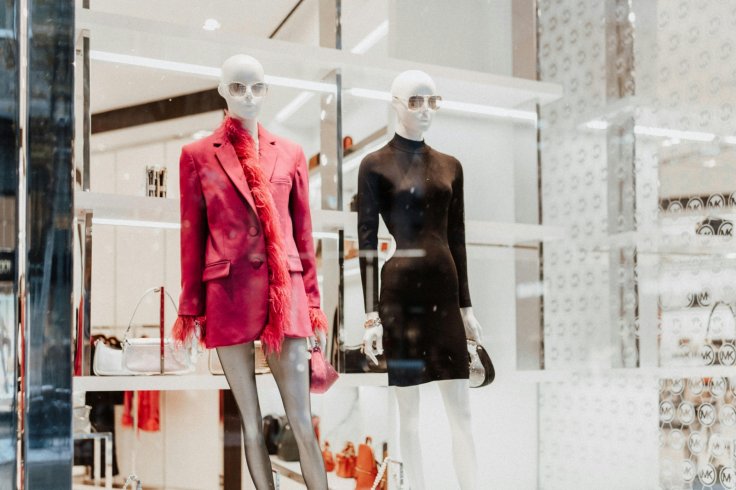
Global fashion brands are closing stores, freezing hires, and rerouting supply chains as an escalating Middle East conflict forces an industry built on precision timing to improvise at scale.
The damage is registering on trading floors as much as on retail floors. Luxury conglomerate stock prices have declined significantly since the conflict intensified, and luxury fashion stocks broadly have lost approximately $100 billion in market value, according to reporting by Tribune.com.pk, a figure that has not been confirmed by a second independent body.
The United Arab Emirates (UAE) luxury fashion boutiques market had reached $7 billion before the current regional conflict, according to openpr.com. That figure is now under direct pressure. The Middle East drives roughly 10% of global luxury demand, and analysts warn the region's luxury sales could fall by as much as 50% if conflict conditions persist, according to communicateonline.me.
Dubai luxury retailers are already feeling the strain. Security concerns and flight disruptions have triggered immediate drops in foot traffic and walk-in sales at high-end boutiques across the city, according to glossy.co. The consumer picture is uneven across the region: Gulf shoppers are pulling back sharply on discretionary luxury spending, while Israeli malls have reported a counterintuitive spike in what researchers are calling emotional spending during missile attack periods, according to ynetnews.com.
How Fashion Brands Are Managing Operations During Middle East Conflict
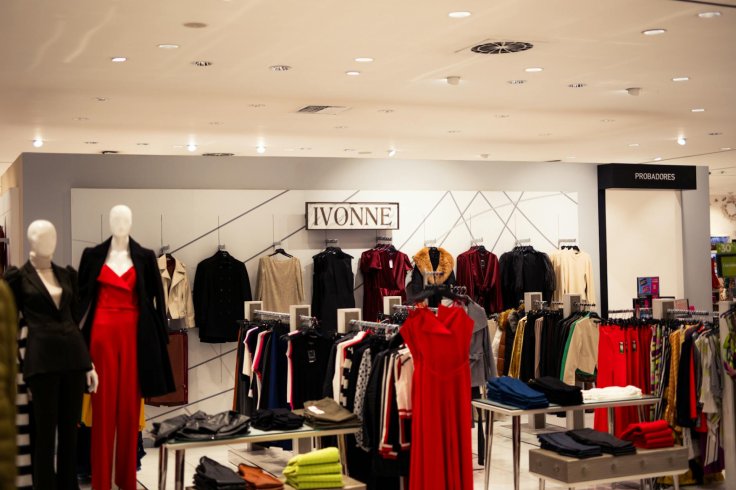
On the operational side, global fashion retailers have implemented widespread store closures and suspended operations across multiple Middle Eastern markets as the conflict escalates. The disruption extends well beyond the region's borders.
Air cargo rates on routes affected by Middle East tensions have surged dramatically, compressing the delivery windows that fast fashion and luxury alike depend on. Australia's clothing sector, where 97% of apparel is manufactured offshore, is now reporting significant supply chain disruptions traced directly to the regional conflict, according to seamlessaustralia.com.
Consumer goods giant Unilever imposed a global hiring freeze, explicitly citing Middle East war effects on supply chains and raw material costs, according to Fashion Network. Dow Jones executives have publicly framed resilience as a core business necessity for multinationals navigating the conflict's operational fallout, according to dowjones.com.
Fashion brands with regional workforces face a less visible but growing pressure. Companies are expanding crisis management frameworks to include mental health support for employees working in or near conflict zones, according to Morningstar. "Navigating conflict requires businesses to extend their duty of care well beyond physical security," the Morningstar-cited report noted, describing a shift in how multinationals define worker protection in active conflict environments.
Abu Dhabi Fashion Week, the annual showcase organized by Abu Dhabi Fashion Week that typically draws international buyers and press to the UAE capital, pivoted to a fully digital format in response to regional instability. Some brands are using the disruption to accelerate structural changes already in discussion, testing see-now-buy-now retail models and expanded digital commerce to compensate for physical market access they can no longer guarantee.
Also Read: Perfect Crown Spoilers: Cast Member Byeon Woo Seok Spills About Grand Prince Ian [Video]
Not every corner of the industry has gone dark. Major fashion collaborations continued launching through the conflict period, a signal that creative pipelines built months or years in advance retain their own momentum regardless of geopolitical conditions. Whether those launches translate into sales in affected markets is a separate calculation entirely.
Disclaimer: This article was produced with the assistance of artificial intelligence.


