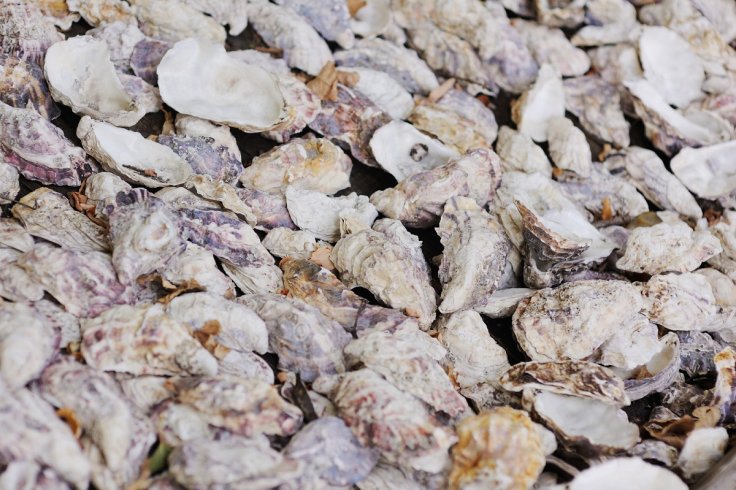
Scientists at Trinity College Dublin (TCD) have discovered that abandoned shells of oysters have the ability to extract rare earths out of polluted water.
The discovery is significant as rare earth elements (REEs), a category of 17 metallic elements incorporated in all things, such as the electric vehicle motor to the military navigation system, are being discovered in waterways in levels that worry environmentalists. The contamination is caused by mining runoff, industrial discharge and even hospital wastewater with medical imaging agents.
The solution proposed by the TCD team to a high-tech pollution issue is, practically speaking, a stack of shells which would otherwise be taken to a landfill.
The summary of the research states that the process itself is mineral-driven and does not need many financial resources or technical equipment. Such framing places the discovery squarely within the realm of the known, available, scalable water cleanup, and not the lab-based solutions that turn out to be unsustainable in the harsh reality of infrastructure limitations.
Why Oyster Shells Outperform Other Seashells for REE Removal
The TCD researchers experimented with various seashell types, and they discovered that the oyster shells exhibited better capture of the rare earth elements than the other competing shells. Aiding the researchers in their discovery was the unique natural microstructure of the shells.
The process is dependent on the biogenic calcium carbonate structure of the shell. Once in contact with the shell material, the rare earth ions in the contaminated water undergo a mineral conversion process to fix the elements in a crystalline form, effectively immobilizing them and eliminating them from solution. The researchers refer to the outcome as stable, whereby the captured elements are not merely adsorbed to a surface, so that they can later be washed back into the water.
The time of research corresponds to the increased literature on the natural-material water treatment. Incorporated separately by the researchers at BCMaterials and Ikerbasque, a Basque research funding agency in northern Spain, are next-generation nanomaterials based on natural resources that can eliminate both antibiotics, heavy metals and rare earth elements in water at the same time. The TCD method is also different as it utilizes an already produced waste material at an industrial scale, which does not need synthesis or sophisticated production.
Aquaculture Waste as a Circular Economy Tool
The international aquaculture sector produces millions of tonnes of shell waste annually, most of which is either disposed of or placed in landfills. The U.S. is one of the largest shellfish-producing countries in the world, with oyster farming centred around the Gulf coast, the Chesapeake Bay and the Pacific Northwest.
Regulatory and logistical pressures are already imposed on the American aquaculture operations to dispose of shells in a responsible manner. An authenticated remediation scenario turns such a liability into an asset.
The TCD results place oyster shell waste as a viable water treatment input, one which tackles two issues simultaneously, which are the burden of disposal caused by the seafood industry, and the burden of contamination caused by rare earth processing and utilization. This type of dual-purpose solution, where a waste stream of one industry is turned into a feedstock of a different industry, has been pursued by the frameworks of the circular economy.
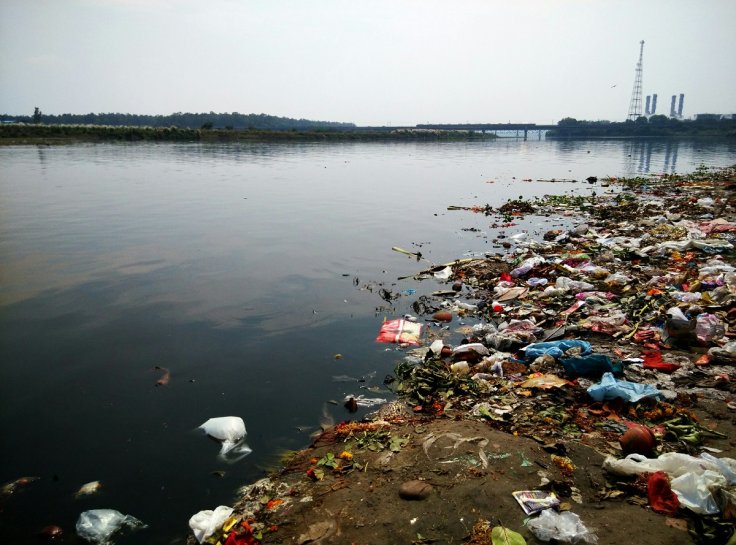
Rare earth pollution is not a far-fetched issue. Gadolinium, an uncommon earth component employed in magnetic resonance imaging (MRI) contrast agents, has been found in waterways in Zurich, Switzerland, in levels that scientists at Eawag, the Swiss Federal Institute of Aquatic Science and Technology, fear may threaten aquatic organisms in the long run. In Southeast Asia, transboundary pollution of rare earth mining in Myanmar has polluted key river systems with arsenic levels that are 20 times higher than the permitted levels.
U.S. Rare Earth Pressures Give the Research Added Weight
The United States is involved in the stakes of the rare earth elements that are far more than the quality of water. REEs play a significant role in defense technology, consumer electronics, and the clean energy transition. The attempts to decrease American reliance on Chinese rare earth refining ability have led to investments in local mining, mining electronic waste in urban areas, and new sourcing tactics. A cheap water treatment process based on shell waste is not a solution to the supply chain issue per se, but it helps to solve one of the environmental impacts of REE mining and utilisation, which is polluted water around processing facilities, which has made the political argument of increasing domestic production more complex.
The study is peer-reviewed, and the figure of the core sorption efficiency up to 66.6% is present in the data listed in PubMed, which adds some degree of methodological review to the preliminary research findings, which lack scrutiny.


