
- Investors shift to cash and energy shares amid prolonged war fears
- Global stocks fall as markets price in extended conflict impact
- Bond and tech sectors see heavy selling across major markets
- Energy disruption raises inflation risks and economic uncertainty
Investors are quickly moving their portfolios as a lack of a quick solution to the Middle East conflict causes a general selling spurt of stocks in equities and bonds, with the demand moving towards defensive stocks like cash and energy stocks.
International markets have been experiencing pressure over the last several sessions, as more people start believing that the conflict will produce economic impacts that are more long-lasting. Reuters asserts that in the most recent trading session, the S&P 500 dropped by 1.5 percent and futures went down by 0.6 percent in Asian trading, continuing the losses fronted on the previous trading session.
Asian markets too collapsed by declining at a very high rate, with the Nikkei declining by 3.5 percent in Japan and Chinese blue-chip stocks poised to experience their worst since the market tumult created by the tariff last year. The wide-ranging withdrawal is an indicator of the change in the attitude of investors towards short-term strength and more long-term precautions.
The pressure to sell has also been exacerbated by the fact that the market players are reviewing the length and effects of the conflict, especially on the world energy supply chains and the inflationary rates.
Flight to Safety: Rewrite The Investment Strategy
The change in the mood is causing investors to move the capital towards defensive positions. There is growing cash in portfolios, and more of it has been allocated to the energy-related assets as oil and gas prices are soaring.
Until recently markets have been highly resilient, according to Aaron Costello, head of Asia of Cambridge Associates. On Friday, the markets broke to new lows of sorts... because, I believe, it is actually going to get bigger before it gets smaller.
It has also been noted that the shift with regard to riskier assets has been especially noticeable in technology and mining stocks, where selling has been accelerated. The bond markets have also been put under pressure with the inflation fears that are related to the increase in energy prices pushing the yields upward and making fixed-income investments less attractive.
As per the data released by Reuters, the MSCI global stock index dropped to a four-month low and the index punctured key technical levels that had been acting as a support to the market.
"There was a massive lack of conviction on this market rally with regard to valuation. And a relatively rapid departure to the exit, this time round," said Karen Jorritsma, the head of Australian equities at RBC Capital Markets.
The quick repositioning highlights the fact that market sentiment can turn very fast when geopolitical risks increase at a speed that it had not expected.
Energy Shock Widens Economic Concerns
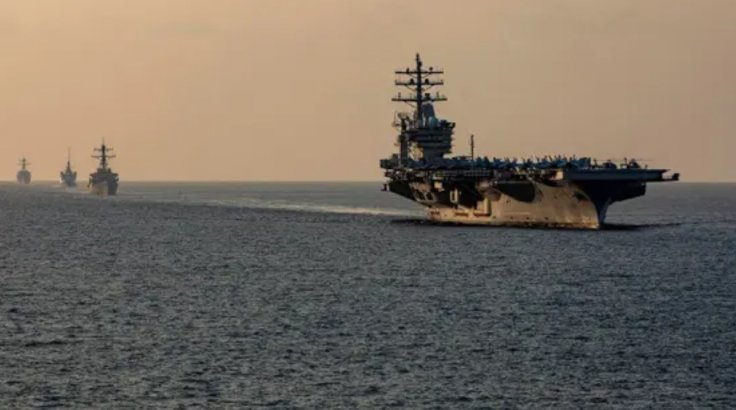
The central cause of investor panic is the upheaval of the global energy markets. Infrastructure losses and limitations in shipping routes, especially the Strait of Hormuz, have created fear that there will be prolonged shortages in supply.
According to industry commentary quoted by Reuters, about two-fifths of the liquefied natural gas that Qatar exports has been impacted, and oil flows on major transit routes have been drastically cut.
These impacts are contributing to larger inflationary pressures, and the prices of fuel are increasing, as well as the businesses changing their perspectives accordingly. Airlines, among others, are getting ready to survive on high oil prices, with some of them reducing their capacity in anticipation of long-term high costs.
This (escalation) is making investors realize that we are not at the end of the whole thing. As a matter of fact, it appears that it will only continue to deteriorate, according to Francis Tan, the chief Asia strategist at Indosuez Wealth Management.
This is more felt in Asia, where most economies are highly reliant on Middle East imports of energy products. This weakness is adding to capital outflows, and there is a high selling pressure in regional markets.
In Insecure Markets, Safe Havens are Limited
Conventional safe-haven assets have not provided much security as per the prevailing environment. The rise in prices of gold previously experienced in the crisis has gone down as investors cash in their gains and the bond markets have been weakened by the inflation fears.
What has emerged is a rare situation where several asset classes are going down so that the investors have limited choices in terms of capital retention.
"There is no given safe place hence in the short term cash appears to be the sole refuge" according to Jason Chan, Bank of East Asia strategist.
Nevertheless, wholesale changes to portfolios are yet to be done by longer-term investors. According to some fund managers, the equity outflows are controlled, implying that investors are not quitting but modifying positions.
Analysts add that the direction that the conflict takes will be the most important factor in determining what will happen in the market over the next few weeks, specifically how it will affect energy supply and inflation.
The present market condition is an indicator of a re-evaluation of risk with investors abandoning outlooks of a temporary disruption in favor of a far more lasting and structurally notable geopolitical shock pricing.


